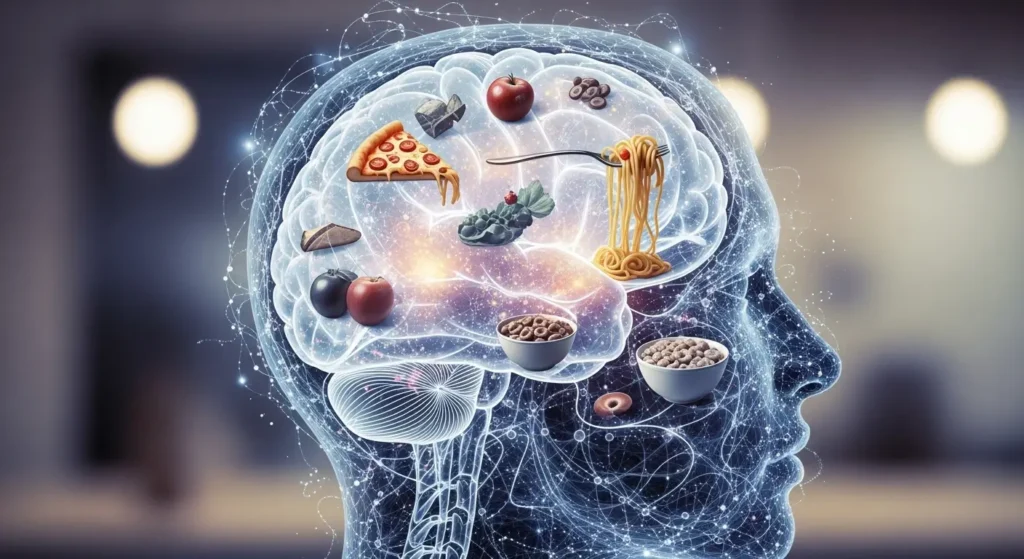
Why Focus Feels So Hard—Even When You’re Eating “Right”
You sit down to work with good intentions.
You’ve eaten.
You’re not hungry.
Yet your mind drifts, your attention fragments, and simple tasks feel heavier than they should.
This isn’t a motivation problem.
It’s not a discipline issue either.
For many people, it’s a macronutrient imbalance quietly interfering with how the brain generates focus.
Most nutrition advice focuses on calories, weight, or aesthetics. But your brain doesn’t care about trends. It cares about fuel timing, fuel type, and fuel balance.
When carbohydrates, protein, and fats aren’t working together, focus becomes unstable—even if total calories look fine.
Understanding this connection changes how you eat for mental clarity, not just energy.
Why Focus Is a Metabolic Process, Not a Personality Trait
Focus feels psychological, but it’s deeply biological.
Your brain:
- Uses ~20% of your body’s energy
- Has no fuel storage of its own
- Depends on steady nutrient delivery every hour
That means attention is shaped less by willpower and more by how consistently the brain is fueled.
Macronutrients don’t just provide energy. They influence:
- Neurotransmitter production
- Blood sugar stability
- Inflammation levels
- Hormonal signals tied to alertness
When the balance is off, focus suffers—often subtly at first.
The Three Macronutrients and What Your Brain Actually Uses Them For
Before blaming one macronutrient, it helps to understand each role clearly.
Carbohydrates: The Brain’s Preferred Fuel
Glucose is the brain’s fastest and most efficient energy source.
But the quality and delivery speed matter.
Fast spikes lead to:
- Short bursts of alertness
- Rapid crashes
- Brain fog and irritability
Slow, steady carbohydrates support:
- Sustained attention
- Stable mood
- Consistent mental stamina
The problem isn’t carbs—it’s uncontrolled glucose swings.
Protein: The Builder of Focus Chemistry
Protein supplies amino acids that form neurotransmitters like dopamine and acetylcholine—key for:
- Attention
- Motivation
- Working memory
Too little protein can lead to:
- Low drive
- Poor concentration
- Mental fatigue
But excess protein without enough carbohydrates can strain focus, because neurotransmitter production also depends on glucose availability.
Fats: The Signal Stabilizers
- Support brain cell membranes
- Regulate inflammation
- Slow digestion for steadier energy
Without enough fat:
- Energy burns too fast
- Hunger signals disrupt attention
- Focus feels fragile
But excess fat with too few carbs can also limit quick cognitive responsiveness.
Balance—not extremes—is what the brain responds to.
What Happens to Focus When Macronutrients Are Imbalanced
The brain is sensitive to imbalance, even when the body seems fine.
Common scenarios include:
- High-carb, low-protein meals → quick energy, short attention
- High-protein, low-carb diets → alert but mentally rigid or fatigued
- Very low-fat intake → unstable energy and mood shifts
These patterns don’t fail immediately.
They erode focus quietly over time.
The Focus Stability Equation: Balance Beats Quantity
More food doesn’t fix focus.
Better balance does.
A focus-supportive meal generally includes:
- A slow-digesting carbohydrate
- A moderate protein source
- A small amount of healthy fat
This combination:
- Smooths glucose release
- Sustains neurotransmitter production
- Prevents energy crashes
Focus improves not because of stimulation—but because the brain stops compensating for instability.
Real-Life Example: Why Lunch Ruins So Many Afternoons
A common pattern:
- Carb-heavy lunch (sandwich, pasta, rice bowl)
- Minimal protein and fat
Result:
- Temporary alertness
- Followed by drowsiness, distraction, and cravings
The issue isn’t lunch itself.
It’s macronutrient imbalance overwhelming glucose control.
Small changes—like adding protein or fat—often restore afternoon focus dramatically.
Macronutrient Balance vs Popular Diet Trends
| Diet Style | Short-Term Effect on Focus | Long-Term Focus Impact |
|---|---|---|
| High-Carb, Low-Protein | Fast energy, quick crashes | Poor sustained attention |
| Very Low-Carb | Initial alertness | Mental fatigue over time |
| High-Protein Only | Drive without flexibility | Reduced cognitive endurance |
| Balanced Macronutrients | Stable, consistent focus | Strong mental stamina |
Focus isn’t optimized by extremes.
It’s protected by nutrient cooperation.
Hidden Mistake: Eating “Clean” but Not Eating Enough of the Right Mix
Many people eat nutritious foods but still struggle with focus because:
- Portions are unbalanced
- Meals lack one macronutrient entirely
- Timing doesn’t match cognitive demand
Skipping carbs before intense mental work or avoiding fats during long workdays quietly undermines attention.
Clean eating doesn’t guarantee functional eating.
How Macronutrient Needs Shift During Mental Work
Your brain’s needs change depending on:
- Stress levels
- Cognitive load
- Sleep quality
During intense focus:
- Carbohydrates support working memory
- Protein maintains alertness
- Fats prevent early burnout
Ignoring these shifts leads to mental fatigue that feels mysterious—but isn’t.
Practical Steps to Improve Focus Through Macronutrient Balance
You don’t need perfection. You need consistency.
Start with These Simple Adjustments
- Pair carbs with protein at every main meal
- Add a small fat source to prevent rapid energy loss
- Avoid single-macronutrient meals during work hours
Focus-Friendly Meal Examples
- Oats + yogurt + nuts
- Rice or quinoa + vegetables + protein
- Fruit + nut butter + protein source
Small structural changes often produce noticeable clarity within days.
Mistakes That Quietly Destroy Focus
Avoid these common traps:
- Skipping meals during long work sessions
- Relying on caffeine instead of fuel
- Cutting carbs aggressively for productivity
- Eating large, unbalanced meals before mental tasks
These mistakes don’t always cause hunger—but they disrupt brain chemistry.
Why This Matters Today
Modern work demands:
- Long attention spans
- Rapid task switching
- Emotional regulation under stress
Yet many diets prioritize appearance or restriction over cognitive function.
Macronutrient balance is one of the most overlooked, non-pharmaceutical ways to support focus—without hacks, stimulants, or burnout.
Key Takeaways
- Focus is a metabolic outcome, not just mental effort
- Carbs fuel attention, protein builds focus chemistry, fats stabilize energy
- Imbalance—not calories—is a major cause of brain fog
- Extreme diets often harm long-term cognitive performance
- Small, balanced meals support sustained mental clarity
Frequently Asked Questions
1. Can low-carb diets affect focus?
Yes. While some people feel initial alertness, long-term low carbohydrate intake can reduce sustained attention and mental flexibility.
2. Is protein more important than carbs for focus?
They serve different roles. Protein supports neurotransmitters, but carbs provide the brain’s primary energy source. One without the other limits focus.
3. Do fats help concentration?
Healthy fats support brain structure and energy stability, but they work best alongside carbs and protein—not alone.
4. How fast can macronutrient balance improve focus?
Many people notice changes within a few days once meals become more balanced and consistent.
5. Is caffeine enough to compensate for poor macronutrient balance?
No. Caffeine stimulates alertness but cannot replace the brain’s need for stable fuel.
Conclusion: Focus Improves When the Brain Stops Fighting Its Fuel
Mental clarity doesn’t come from eating less, eating trendy, or eating perfectly.
It comes from feeding the brain in the way it evolved to work—with balance, rhythm, and cooperation between nutrients.
When carbohydrates, protein, and fats work together, focus feels easier, steadier, and more reliable.
Not because you tried harder—but because your brain finally had what it needed.
Disclaimer: This article is for educational purposes only and is not a substitute for personalized medical or nutritional advice. Always consider individual needs when making dietary changes.