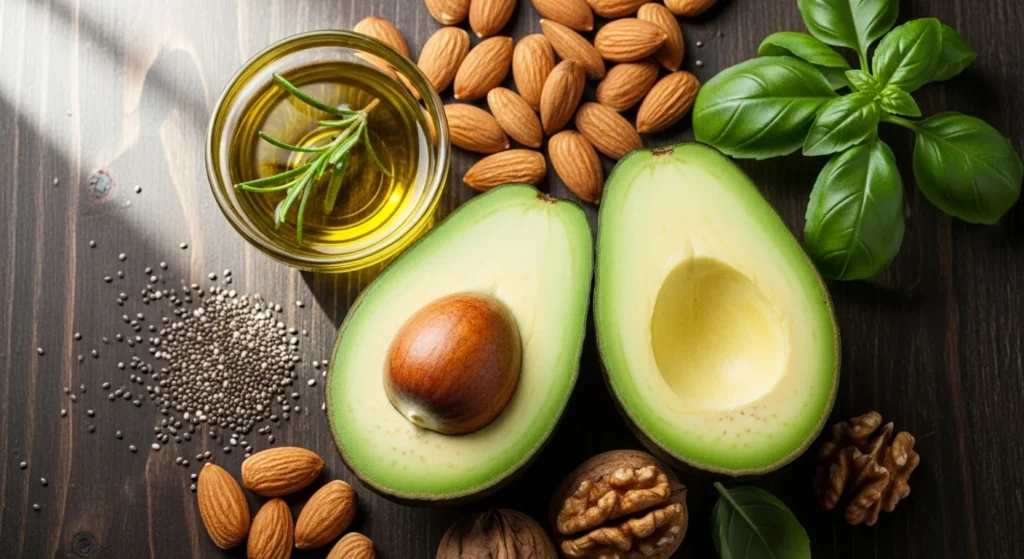
How Avocados Became the Ultimate Healthy Fat
Not long ago, people feared fat.
For decades, “low-fat” labels were everywhere.
Butter was suspicious.
Oil was questioned.
Even nuts were misunderstood.
Then something unexpected happened…
Avocados rose from a humble fruit to a global health icon.
Today, they’re seen as the symbol of “good fat.”
But why?
How did avocados become the ultimate healthy fat in modern nutrition?
The answer isn’t hype.
It’s biology, history, and a growing understanding that not all fats are the same.
Avocados aren’t just trendy…
They represent one of the biggest shifts in wellness thinking:
fat isn’t the enemy—quality matters.
Let’s explore how avocados earned their superfood status and why your body responds so well to them.
Avocados Are Technically a Fruit… But Nutritionally Unique
Most fruits are known for sugar and vitamin C.
Avocados are different.
They’re rich in:
- Monounsaturated fats
- Fiber
- Potassium
- Folate
- Vitamin E
- Plant antioxidants
Instead of being primarily carbohydrate-based, avocados are fat-based, which is extremely rare in the fruit world.
That’s why they stand out immediately in nutrition.
Why this matters today
People want foods that keep them full, energized, and balanced.
Avocados do that in a way very few fruits can.
The Turning Point: When Science Redefined “Healthy Fat”
For years, fat was blamed for weight gain and heart problems.
But research eventually showed:
The type of fat matters far more than the amount.
There are different categories:
- Unsaturated fats (supportive)
- Saturated fats (moderation needed)
- Trans fats (to avoid)
Avocados are rich in monounsaturated fats, the same type found in olive oil—often linked with heart-supportive eating patterns.
This is one of the main reasons avocados became celebrated.
What Makes Avocado Fat So Special?
Avocados contain oleic acid, a monounsaturated fatty acid also found in:
- Olive oil
- Nuts
- Mediterranean diets
Oleic acid is known for supporting:
- Heart-friendly cholesterol patterns
- Cellular function
- Long-lasting energy
- Lower inflammatory stress in balanced diets
Emotional trigger
Avocados are comfort food that actually supports your body.
Creamy, satisfying, nourishing… without being processed.
That’s rare.
Avocados and Heart Health: The “Good Fat” Reputation
One major reason avocados became the ultimate healthy fat is their connection to cardiovascular wellness.
They contain:
- Monounsaturated fats
- Fiber
- Potassium
- Antioxidants
Together, these nutrients support:
- Healthy blood vessel function
- Balanced cholesterol levels
- Better dietary fat quality overall
Real-life example
People who replace processed spreads or fried snacks with avocado often notice:
- Better fullness
- Less cravings
- More stable energy
That’s the power of fat quality.
Avocados Keep You Full Longer (The Satiety Advantage)
Avocados became popular partly because they help people feel satisfied.
That’s due to the combination of:
- Healthy fats
- Dietary fiber
- Slow digestion
Unlike refined carbs that spike hunger again quickly, avocados create a slower, steadier fuel curve.
Hidden tip
Add avocado to meals that feel “too light,” such as:
- Salads
- Toast
- Grain bowls
It instantly increases satisfaction and nutrient absorption.
Avocados Support Nutrient Absorption
Here’s one of the most underrated benefits:
Some vitamins require fat to be absorbed.
These are called fat-soluble vitamins, including:
- Vitamin A
- Vitamin D
- Vitamin E
- Vitamin K
Avocados help your body absorb these nutrients better when eaten with vegetables.
Practical example
Salad with no fat?
Many nutrients pass through unused.
Salad with avocado?
Much more nutrient uptake.
Avocados Are Loaded With Potassium (More Than Bananas)
Most people associate potassium with bananas.
But avocados actually contain more potassium per serving than bananas.
Potassium supports:
- Fluid balance
- Muscle function
- Heart rhythm
- Healthy blood pressure patterns
This mineral is one reason avocados are so supportive beyond just fat content.
Avocado Nutrition Compared to Other Fats (Comparison Table)
Here’s how avocado stacks up against other common fat sources:
| Food Source | Type of Fat | Nutrient Density | Best Benefit |
|---|---|---|---|
| Avocado | Monounsaturated | Very High | Heart + fiber + potassium |
| Olive Oil | Monounsaturated | Moderate | Pure healthy fat source |
| Butter | Saturated | Low | Flavor, limited nutrients |
| Nuts | Unsaturated | High | Protein + minerals |
| Processed Oils | Mixed/Refined | Low | Often lacks whole nutrients |
Avocado stands out because it’s not just fat—it’s fat plus fiber and micronutrients.
Avocados and Brain Support: Fat That Fuels the Mind
Your brain is nearly 60% fat by composition.
Healthy fats play a role in:
- Brain cell membranes
- Cognitive function
- Mood balance
- Nervous system integrity
Avocados provide fats that support the brain’s structural needs, alongside vitamin E, an antioxidant important for neural protection.
Why this matters
People often focus on protein and carbs…
But brain health depends heavily on fat quality.
The Rise of Avocados in Wellness Culture
Avocados didn’t become famous overnight.
They rose because they fit perfectly into modern wellness needs:
- Low sugar
- High satiety
- Nutrient-rich
- Versatile
- Whole-food based
They became central in popular eating patterns like:
- Mediterranean-style diets
- Plant-forward nutrition
- Balanced low-carb lifestyles
And unlike processed “health foods,” avocados are real, simple, and natural.
Best Ways to Eat Avocados Daily or Weekly
Avocados are incredibly easy to include.
Try these ideas:
1. Avocado toast (balanced version)
Add eggs or seeds for protein.
2. Salad topping
Better nutrient absorption.
3. Smoothies
Adds creaminess without dairy.
4. Guacamole with veggies
A satisfying snack swap.
5. Avocado bowls
With quinoa, beans, and greens.
Mistakes People Make With Avocados
Avocados are healthy, but avoid these common pitfalls:
- Eating them only in fried or processed forms
- Overloading with salty chips
- Assuming unlimited portions are necessary
- Ignoring overall calorie density
Balanced truth
Avocados are nutrient-rich, but like all fats, portion awareness matters.
Half an avocado is often enough for a meal.
Actionable Steps: Make Avocados Work for You
Want to enjoy avocados without overthinking nutrition?
Follow this simple plan:
- Add avocado to 3 meals per week
- Use it to replace processed fats (spreads, creamy sauces)
- Pair with vegetables for nutrient absorption
- Combine with protein for a complete meal
- Keep portions realistic and consistent
Small habits create long-term wellness benefits.
Why Avocados Matter Today (Beyond Trends)
Avocados became the ultimate healthy fat because they represent a truth modern nutrition finally embraced:
Your body needs fat.
It just needs the right kind.
Avocados provide:
- Creamy satisfaction
- Whole-food fats
- Fiber and micronutrients
- Heart and brain supportive nutrients
They are proof that wellness doesn’t require deprivation.
It requires smarter choices.
Key Takeaways: How Avocados Became the Ultimate Healthy Fat
- Avocados are rich in monounsaturated fats, especially oleic acid
- They support fullness, heart health, and nutrient absorption
- Avocados contain fiber, potassium, and vitamin E
- They’re one of the most nutrient-dense fat sources in nature
- Their rise reflects a bigger shift: fat quality matters more than fear
FAQ: Avocados and Healthy Fats
1. Are avocados really a healthy fat?
Yes, avocados contain monounsaturated fats that are widely considered supportive in balanced diets.
2. Can I eat avocado every day?
Most people can enjoy avocado regularly, as long as portions fit their overall diet.
3. Are avocados better than olive oil?
Both are excellent sources of monounsaturated fats, but avocados provide fiber and more whole-food nutrients.
4. Do avocados help with weight control?
Avocados may support fullness due to fiber and fat, helping reduce cravings when used wisely.
5. What’s the best way to eat avocados?
With vegetables, whole grains, or protein—so they become part of a balanced meal.
Conclusion: The Creamy Fruit That Changed How We See Fat
Avocados didn’t become the ultimate healthy fat because of marketing.
They earned it through nutrition science, real-world results, and how deeply they nourish the body.
They are:
- Simple
- Satisfying
- Nutrient-rich
- Supportive
- Naturally delicious
In a world full of processed “health” products…
Avocados remain one of the most honest wellness foods you can eat.
Just a fruit.
Just healthy fat.
A big impact.