
Why Some Minds Fade Faster Than Others
Ever notice how some people stay mentally sharp for hours—while others burn out by mid-afternoon?
It’s easy to blame motivation, discipline, or willpower.
But cognitive endurance isn’t about trying harder.
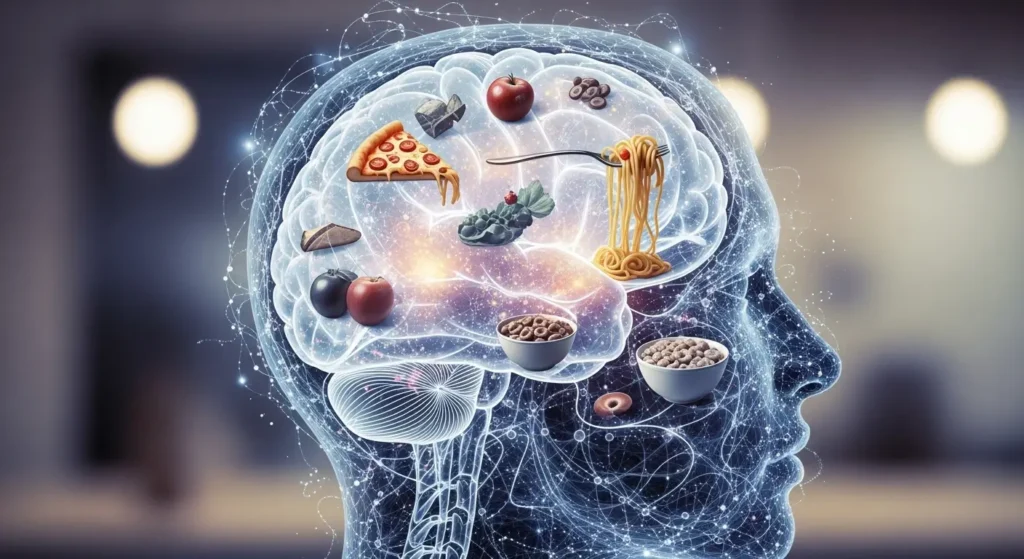
It’s about how well your brain is fueled, protected, and supported over time.
Your brain doesn’t just need energy.
It needs stability, micronutrients, and protection from silent stressors that drain focus long before exhaustion feels obvious.
This is where nutrition quietly decides how long your mind can last.
What Is Cognitive Endurance (And Why It’s Different From Intelligence)
Cognitive endurance is the brain’s ability to maintain attention, clarity, memory, and decision-making over extended periods.
It’s not IQ.
It’s not talent.
It’s not even motivation.
Cognitive endurance determines:
- How long you can focus without mental fog
- How resilient your thinking is under stress
- How quickly errors creep in as hours pass
- How drained or sharp you feel after deep work
And nutrition is one of its strongest hidden drivers.
Why the Brain Is Nutritionally Expensive
Your brain is only about 2% of body weight, yet it uses roughly 20% of your daily energy.
But energy alone isn’t enough.
The brain needs:
- Stable glucose delivery
- Oxygen and blood flow support
- Neurotransmitter production
- Protection from inflammation and oxidative stress
When nutrition is inconsistent or incomplete, the brain doesn’t fail loudly.
It fades quietly.
How Blood Sugar Stability Shapes Mental Stamina
One of the biggest nutrition-to-brain links is glucose regulation.
Sharp blood sugar spikes create short bursts of clarity—followed by crashes.
Those crashes feel like:
- Sudden mental fatigue
- Irritability
- Brain fog
- Loss of motivation
- Slower thinking
Foods that support cognitive endurance:
- Complex carbohydrates
- Fiber-rich vegetables
- Protein paired with carbs
- Healthy fats that slow absorption
Foods that drain it:
- Sugary snacks alone
- Refined carbs without protein
- Skipping meals during intense mental work
Cognitive endurance thrives on consistency, not stimulation.
The Micronutrients That Quietly Support Focus Over Hours
Many people eat enough calories—but lack micronutrients essential for mental stamina.
Key contributors include:
- B vitamins → support energy metabolism in neurons
- Iron → oxygen delivery to the brain
- Magnesium → nerve signaling and stress regulation
- Zinc → neurotransmitter balance
- Omega-3 fats → cell membrane flexibility and communication
Deficiencies don’t cause instant collapse.
They cause shorter focus windows and faster burnout.
Cognitive Endurance vs. Short-Term Focus
It’s possible to feel focused—but not last.
Caffeine, sugar, and stimulants can:
- Increase alertness
- Improve reaction speed
- Mask fatigue temporarily
But they don’t build endurance.
True cognitive endurance means:
- Fewer errors late in the day
- Sustained reasoning quality
- Stable mood during long tasks
- Faster recovery after mental effort
Nutrition builds endurance.
Stimulants only borrow from it.
Comparison Table: Foods That Build vs. Drain Cognitive Endurance
| Nutrition Pattern | Short-Term Effect | Long-Term Cognitive Endurance |
|---|---|---|
| Balanced meals with protein, fiber, fats | Steady focus | High mental stamina |
| High sugar snacks | Quick alertness | Rapid mental crashes |
| Skipped meals | Temporary sharpness | Early burnout |
| Omega-3 rich diet | Subtle clarity | Improved resilience |
| Ultra-processed foods | Convenience | Increased mental fatigue |
The Inflammation Factor Most People Miss
Low-grade inflammation doesn’t feel dramatic.
But it subtly:
- Slows neural signaling
- Increases mental effort
- Reduces stress tolerance
- Shortens focus span
Dietary contributors to brain inflammation include:
- Highly processed foods
- Excess refined oils
- Chronic blood sugar spikes
- Micronutrient deficiencies
Anti-inflammatory nutrition supports endurance, not just health.
Real-Life Example: Why Mental Work Feels Harder After Lunch
That post-lunch brain fog isn’t random.
Common causes:
- Heavy refined carbs without protein
- Large meals redirecting blood flow
- Sodium and potassium imbalance
- Dehydration
A cognitively supportive lunch:
- Moderate portions
- Protein + fiber
- Healthy fats
- Adequate hydration
The goal isn’t fullness.
It’s mental continuity.
Hidden Nutrition Mistakes That Drain Cognitive Endurance
Even health-conscious people often miss these:
- Eating “clean” but too little
- Avoiding fats entirely
- Over-relying on caffeine
- Ignoring hydration
- Skipping minerals while supplementing vitamins
Mental stamina fails when inputs are incomplete, not when effort is lacking.
Actionable Steps to Build Cognitive Endurance Through Nutrition
You don’t need perfection.
You need consistency.
Start with:
- Eat balanced meals every 3–4 hours during intense mental work
- Pair carbohydrates with protein or fats
- Include omega-3 sources several times per week
- Hydrate steadily, not reactively
- Reduce ultra-processed foods during high-demand days
Cognitive endurance improves quietly, then noticeably.
Why This Matters Today
Modern life demands sustained thinking.
Long meetings.
Deep work.
Constant decisions.
Continuous digital input.
Cognitive endurance is becoming more valuable than raw intelligence.
Nutrition determines whether your brain keeps up—or quietly taps out early.
Key Takeaways
- Cognitive endurance is about mental stamina, not intelligence
- The brain needs stable fuel, not spikes
- Micronutrients matter as much as calories
- Inflammation silently reduces focus duration
- Small nutrition shifts can dramatically improve mental resilience
Frequently Asked Questions
1. Can nutrition really affect how long I can focus?
Yes. The brain’s energy supply, neurotransmitters, and inflammation levels are directly shaped by nutrition.
2. Is caffeine bad for cognitive endurance?
Not inherently—but overuse masks fatigue instead of building endurance.
3. How fast can nutrition improve mental stamina?
Some changes help within days; deeper improvements take weeks of consistency.
4. Do supplements replace food for brain endurance?
No. Supplements support gaps, but whole foods create the foundation.
5. Is mental fatigue always nutritional?
No—but nutrition is one of the most overlooked contributors.
Conclusion: Your Brain Lasts As Long As Its Fuel Does
Cognitive endurance isn’t about pushing harder.
It’s about supporting the brain so it doesn’t need to struggle.
When nutrition is steady, complete, and protective, focus lasts longer—without force.
And that quiet advantage compounds every single day.


Pingback: Why Your Brain Feels Exhausted Even When You’re Not Doing Much