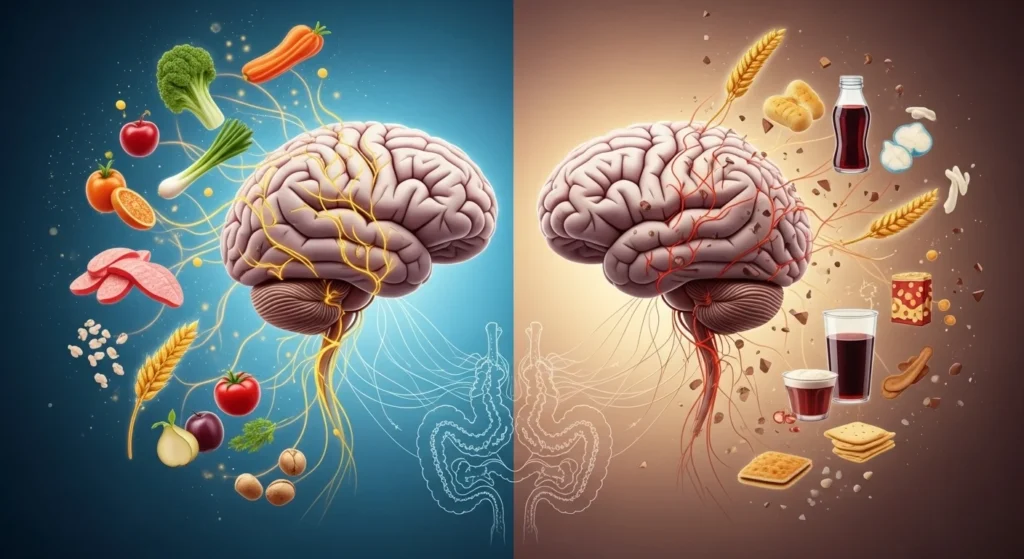
Skip a few good meals and it’s not just your stomach that notices — your mood shifts, your focus scatters, your energy dips in a way that feels disproportionate to just missing lunch. That reaction isn’t in your head, or rather, it’s entirely in your head, by design. The brain is uniquely, biologically vulnerable to nutritional stress in ways most other organs simply aren’t.
Your Brain Runs Hotter Than Almost Any Other Organ
The brain is the body’s most metabolically active organ, consuming a disproportionate share of your daily energy relative to its size. That high metabolic rate isn’t free — it comes with a cost. Because brain tissue is constantly burning through energy and oxygen at such a high rate, it generates and is exposed to significantly more oxidative byproducts than most other tissues, leaving it inherently more vulnerable to oxidative stress and inflammation whenever nutritional support falls short.
Neurons Are Especially Fragile at the Cellular Level
This vulnerability isn’t abstract — it’s rooted in the physical makeup of brain cells themselves. Neurons consume large amounts of oxygen, contain high concentrations of iron in certain brain regions, and rely on mitochondria that generate substantial amounts of reactive byproducts as part of normal energy production. On top of that, neuronal membranes are especially rich in polyunsaturated fatty acids, a type of fat that is particularly susceptible to oxidative damage. In effect, the very structures that make rapid thought and communication between brain cells possible are also what make those same cells more exposed to nutritional and metabolic stress.
Some Neurons Are More Vulnerable Than Others — And Energy Reserves Explain Why
Research comparing vulnerable and resistant neurons has found a striking pattern: the neurons most susceptible to oxidative stress tend to have lower energy reserves and higher baseline stress signaling compared to more resilient neurons elsewhere in the brain. This suggests that a neuron’s ability to withstand nutritional or metabolic strain is directly tied to how much energy buffer it has available — meaning cells running closer to their energy limit are the first to show signs of trouble when fuel or key nutrients run short.
Inflammation Is a Two-Way Street With What You Eat
Diet doesn’t just provide raw fuel — it actively shapes how much inflammation your brain experiences. Chronic stress, poor sleep, and other lifestyle factors are known to raise pro-inflammatory markers and reactive oxygen species in the body, and nutritional status plays directly into that same inflammatory pathway. Diets rich in antioxidants, polyunsaturated fats, and essential vitamins and minerals appear to help by limiting neuroinflammation, supporting cerebral energy metabolism, and protecting neural tissue from oxidative damage — while diets lacking these components leave the brain with fewer defenses against the same stress.
Omega-3s Aren’t Optional — They’re Structural
Docosahexaenoic acid, or DHA, is a standout example of how deeply nutrition is woven into basic brain function rather than sitting on top of it. DHA is essential for maintaining the fluidity of neuronal membranes and supporting the transmission of signals between brain cells. Supplementing with DHA has shown measurable positive effects on cognitive function and depression symptoms, while deficiencies in this fatty acid are associated with an increased risk of mood disorders and neurodegenerative conditions like Alzheimer’s disease. This isn’t a nutrient your brain merely benefits from — it’s part of the physical material your brain cells are built from.
The Gut-Brain Connection Adds Another Layer of Sensitivity
Beyond direct nutrient supply, diet shapes brain function indirectly through the gut microbiome. Dietary patterns act as modulators of inflammation, oxidative stress, and gut microbiota composition — all factors increasingly linked to both mood regulation and long-term brain health. This means the sensitivity of the brain to nutritional stress isn’t limited to what nutrients directly reach brain tissue; it also depends on how your diet shapes the trillions of gut bacteria that communicate with your brain through immune and neurochemical signaling pathways.
Even Early-Life Nutrition Sets a Long-Term Vulnerability Pattern
The brain’s sensitivity to nutritional stress isn’t limited to adulthood. Research on early-life development has found that the central nervous system goes through a period of rapid growth and unique sensitivity, during which nutrition and stress exposure can profoundly shape brain structure and function for the long term. Nutritional interventions during this window appear to work through several of the same mechanisms seen in adult brain health — regulating neuroinflammation, oxidative stress, and the stress hormone system — suggesting that the brain’s dependence on adequate nutrition begins well before symptoms of poor focus or mood instability would ever become noticeable.
Why This Explains the Mood-Focus-Energy Connection
Put together, these mechanisms explain why nutritional stress rarely shows up as just one symptom. A brain under-supported nutritionally is simultaneously dealing with reduced energy availability, elevated oxidative stress, heightened inflammation, and disrupted gut-brain signaling — all systems that separately influence mood, focus, and energy. That’s why a poor eating pattern so often produces a cluster of symptoms together, rather than a single isolated complaint. The brain’s vulnerability isn’t specific to one function; it’s systemic.
The Bottom Line
The brain isn’t sensitive to nutrition by coincidence — it’s a direct consequence of how the organ is built and how it operates. High energy demand, oxidative exposure, membrane composition, and deep interconnection with the gut all combine to make brain function unusually responsive to what you eat. Mood swings, foggy focus, and flagging energy aren’t separate problems to solve individually — they’re often the same underlying signal, arriving through different channels, that the brain’s nutritional needs aren’t being fully met.
Sources
- Frontiers in Nutrition – Enriching the Mediterranean Diet Could Nourish the Brain More Effectively
- PMC (NIH) – The Impact of Nutritional, Environmental, and Lifestyle Factors on Neurological Disorders
- ScienceDirect – Oxidative Stress and Inflammation in the Pathogenesis of Neurological Disorders
- PMC (NIH) – Genomic and Biochemical Approaches in the Discovery of Mechanisms for Selective Neuronal Vulnerability to Oxidative Stress
- Nature (Molecular Psychiatry) – Nutritional Interventions to Counteract the Detrimental Consequences of Early-Life Stress
- Frontiers – Nutrition-Based Strategies for Mood, Cognition, and Brain Health: Behavioral Pathways and Mechanisms

Aarti Solanki, B.Sc. (Food Science), is a food science writer passionate about making nutrition simple and evidence-based. She creates well-researched, easy-to-understand articles on healthy eating, food science, and nutrition, using information from trusted scientific and public health sources.







Pingback: Why Your Brain Hates Sugar Spikes — And Craves Stability Instead