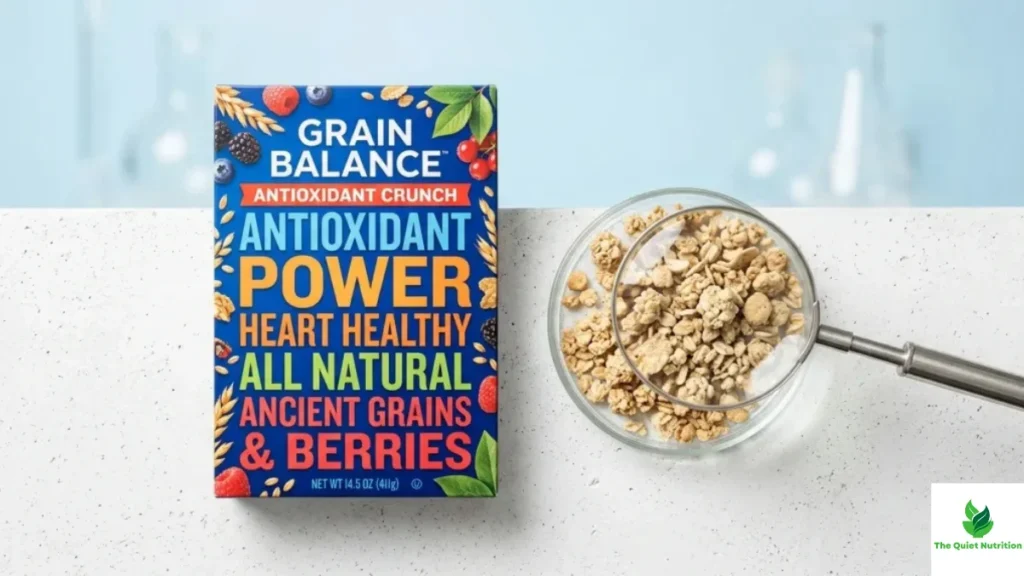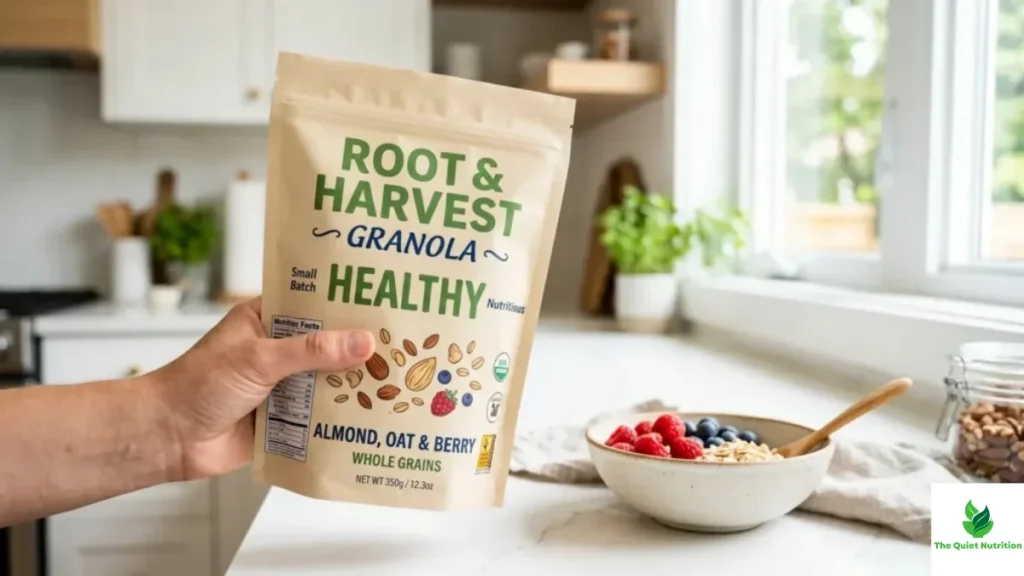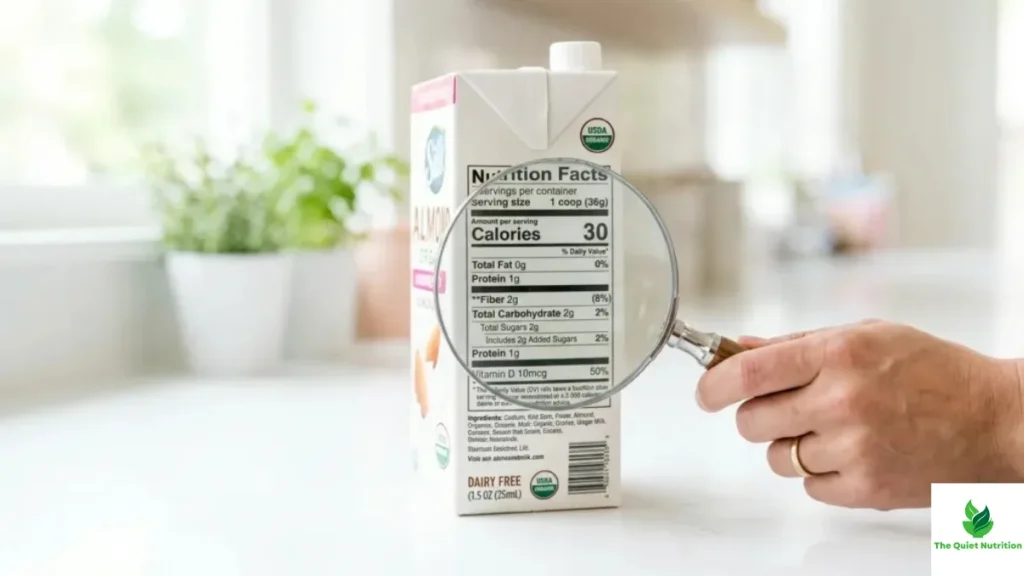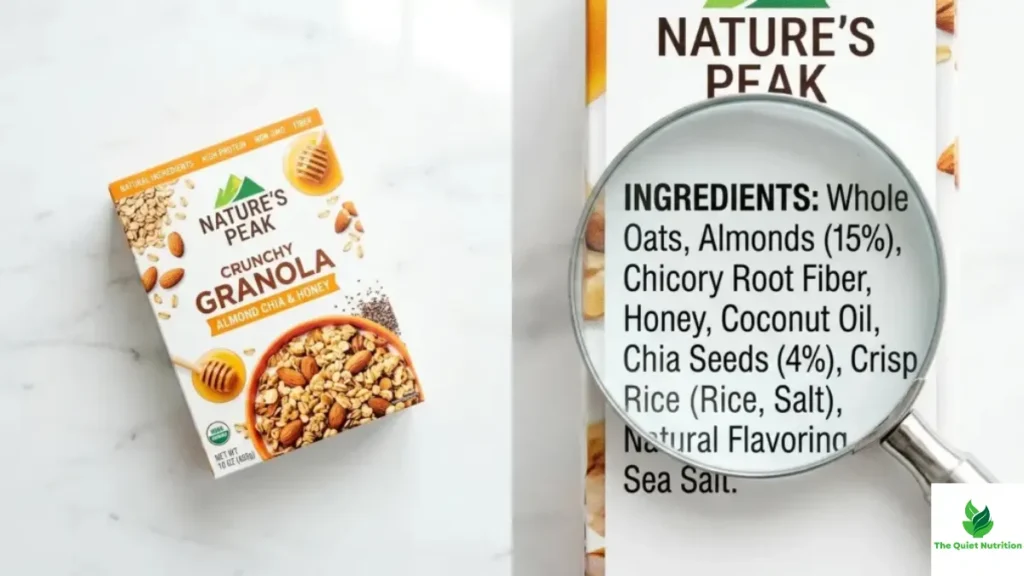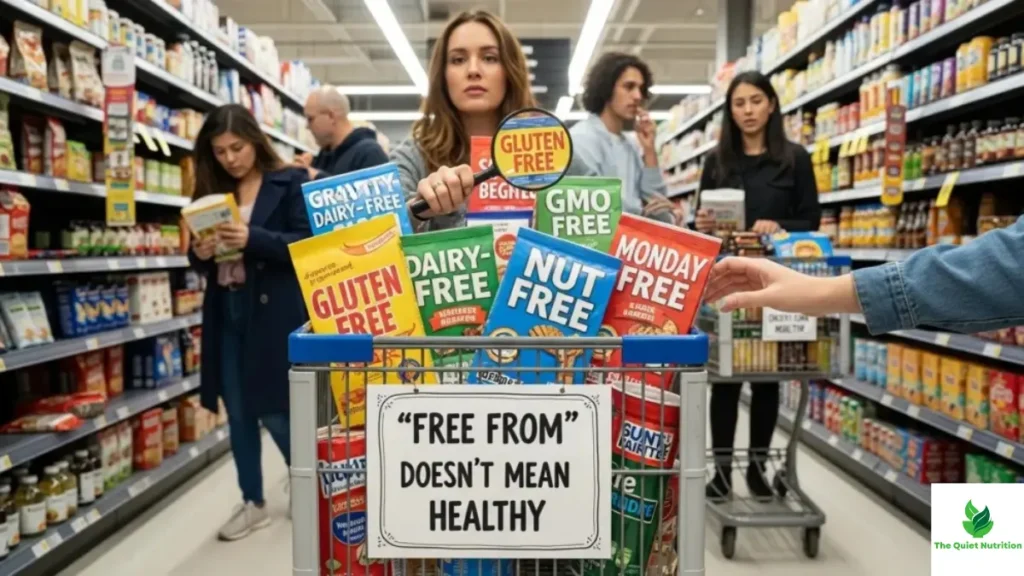
Walk into any American grocery store and “free from” claims are nearly impossible to avoid — gluten-free crackers, dairy-free creamers, sugar-free everything. This isn’t a niche trend anymore. It’s one of the fastest-growing categories in the entire food industry, and it’s built on a marketing promise that doesn’t hold up quite as well as shoppers assume.
This Has Become a Genuinely Massive Industry
The scale of America’s appetite for “free from” foods is hard to overstate. The U.S. free-from food market was valued at roughly 30.4 billion dollars in 2025 and is projected to grow to more than 74 billion dollars by 2034 — a growth rate of over 10 percent per year. More than 60 percent of U.S. consumers report actively avoiding artificial additives, and North America leads the world in demand for these products, ahead of Europe and the rapidly growing Asia-Pacific region.
The Claims Are Multiplying Faster Than the Actual Ingredients Changed
Industry tracking data found that “free from”-related claims on food and beverage packaging grew at a compound annual rate of 16 percent between 2013 and 2017 alone — a pace of labeling growth that far outstrips any equivalent shift in how food is actually formulated. That gap matters: a rapid rise in claims doesn’t necessarily reflect a rapid rise in meaningfully different products. It often reflects a rapid rise in marketing departments recognizing what sells.
Two Different Agencies Watch These Claims — But Not Equally
Not all “free from” language is created under the same oversight. The FDA and FTC actually share jurisdiction over these claims through a formal agreement, with the FDA generally handling claims made directly on product labels, while the FTC oversees claims made in advertising, whether on television, social media, or elsewhere. The FDA carries more direct enforcement weight for defined nutrient-content claims like fat-free, gluten-free, and sugar-free, since those terms fall under specific regulatory standards. Vaguer language used in advertising and packaging outside those defined categories often has considerably more room to stretch the truth.
Americans Already Suspect They’re Being Misled
This isn’t just a theoretical concern — consumers have noticed. A national survey found that 73 percent of consumers reported feeling misled by “natural” labeling specifically, prompting consumer advocacy groups to formally petition the FDA to either ban the term or establish enforceable standards for it. The same research found that a majority of consumers rely heavily on labels and ingredient lists to make everyday purchasing decisions — meaning the confusion isn’t from inattention. People are reading closely and still coming away with the wrong impression.
Most Shoppers Don’t Realize How Little Oversight Exists
Adding to the confusion, that same research found that 77 percent of consumers mistakenly believe the FDA formally evaluates or approves the safety of every food ingredient before it reaches shelves, and 66 percent mistakenly believe the FDA tracks every new ingredient introduced to the market. In reality, many ingredients enter the food supply through a self-affirmed “Generally Recognized as Safe” process that doesn’t require the same level of premarket government review most consumers assume is happening. This gap in understanding is part of what makes “free from” claims so persuasive — shoppers assume a stronger regulatory safety net exists behind the label than actually does.
What’s Actually Driving the Demand
The growth isn’t purely about marketing manipulation — much of it is rooted in real, legitimate need. Rising rates of diagnosed food allergies, lactose intolerance, gluten sensitivity, and celiac disease have created genuine demand for products free of specific ingredients, particularly among parents shopping for children with allergies. Roughly one in four children in the U.S. deals with a seasonal allergy, eczema, or food allergy, which helps explain why so much of the free-from category’s growth is concentrated around families making medically necessary choices rather than purely aspirational ones.
Americans Want More Transparency Than They’re Currently Getting
Recent consumer research shows the appetite for real disclosure goes well beyond current “free from” marketing. In one national survey, 82 percent of respondents said they want more detailed processing information on their food, and 80 percent wanted more comprehensive allergen information — both far more specific and useful than a simple “free from X” claim on the front of the package. Notably, only 39 percent of consumers felt current food labels adequately address the broader transparency issues they actually care about, despite the explosion of free-from marketing meant to signal exactly that kind of transparency.
What “Free From” Actually Guarantees You
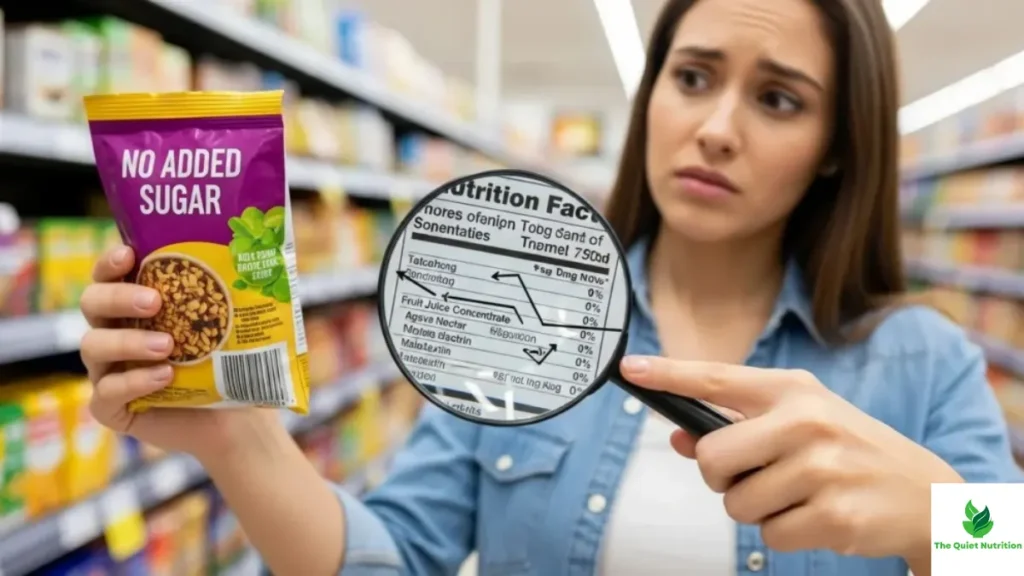
For someone managing a genuine allergy, intolerance, or medical restriction, a “free from” claim can be a meaningful and even necessary piece of information. But for the general shopper using it as a stand-in for “healthier,” the claim guarantees only one narrow thing: the literal absence of a specific ingredient. It says nothing about sodium, added sugar substitutes, overall processing level, or what ingredient replaced the one that was removed. Popularity and rigor aren’t the same thing — and America’s favorite food label has grown mostly on the former.
The Bottom Line
“Free from” has become one of the most commercially successful labeling categories in American food history, but its growth has outpaced both regulatory clarity and consumer understanding of what it actually promises. The label can be genuinely useful for people with real dietary restrictions, and largely beside the point for everyone else chasing a healthier choice. The only way to know which situation you’re in is to look past the front of the package and check what’s actually inside.
Sources
- GlobeNewswire (ResearchAndMarkets) – United States Free-From Food Market Report 2026-2034
- Cognitive Market Research – Free From and Clean Label Industry Analysis 2026
- Nutritional Outlook – Want to Claim Your Product Is Free of Certain Ingredients? Read This First
- Consumer Reports – Survey Shows 73 Percent of Consumers Misled by “Natural” Labels at the Grocery Store
- NSF (Business Wire) – NSF Research Shows Americans Demand Greater Clarity and Standardization in Food Labeling

Aarti Solanki, B.Sc. (Food Science), is a food science writer passionate about making nutrition simple and evidence-based. She creates well-researched, easy-to-understand articles on healthy eating, food science, and nutrition, using information from trusted scientific and public health sources.