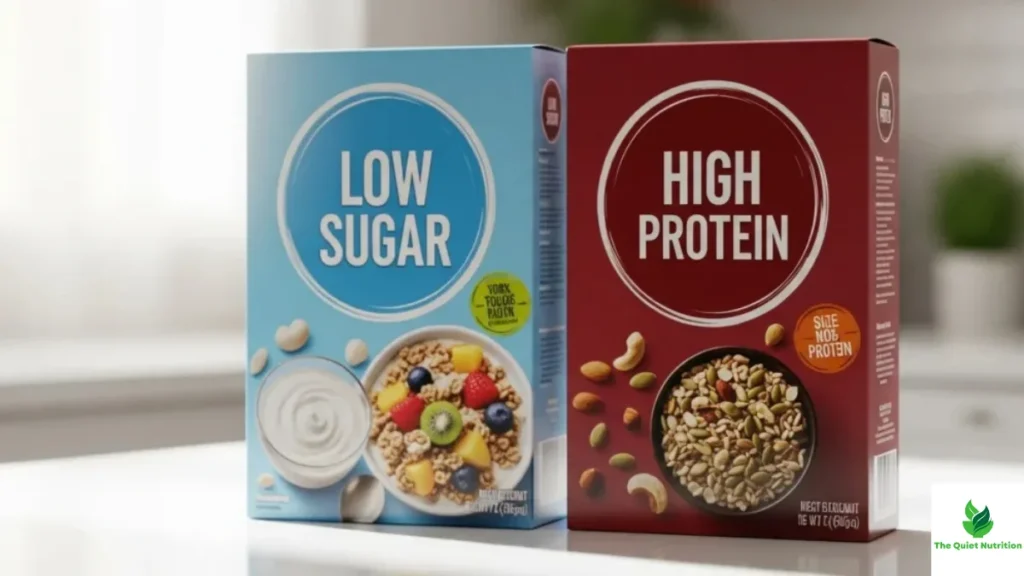
You’re standing in the aisle holding two products, flipping them back and forth. One boasts “low sugar.” The other boasts “high protein.” Logic says pick the winner and move on. But this exact comparison is where a lot of otherwise careful shoppers get quietly misled — and the reason has less to do with willpower and more to do with how nutrition labels are designed to be read.
The Problem Starts With Comparing the Wrong Thing
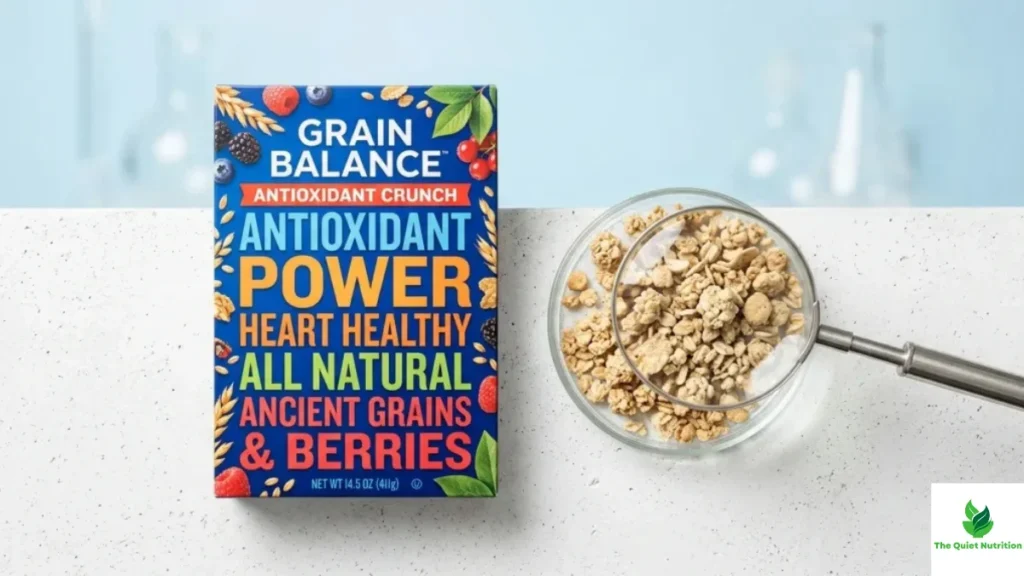
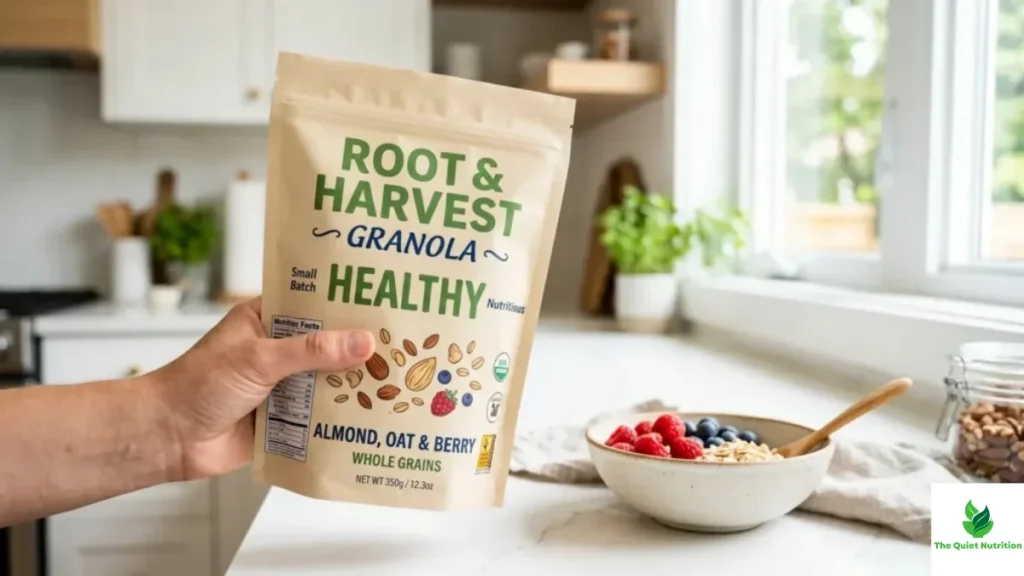
When you compare two products by a single standout claim, you’re not actually comparing the products — you’re comparing one number each product’s marketing team chose to highlight. A “low sugar” label says nothing about sodium, saturated fat, or added preservatives. A “high protein” label says nothing about sugar content hiding elsewhere on the same label. Regulators allow a product to advertise itself as “high” in a nutrient once it hits a certain percentage of the Daily Value — a technically accurate claim that can still describe a product high in sodium, saturated fat, and added sugar at the same time.
In other words, both claims can be completely true and still tell you almost nothing about which product is actually better for you.
Nutrition Science Has a Name for This Trap
Researchers actually have a term for the habit of judging food by a single nutrient instead of the whole picture: nutritionism, sometimes called nutritional reductionism. The idea is that decades of advertising and even public health messaging have trained people to think of food as a delivery vehicle for isolated nutrients — protein, fiber, sugar, fat — rather than as a whole product with a broader nutritional profile. This mindset makes label comparisons feel more scientific than they actually are, because you’re weighing one variable while ignoring a dozen others operating in the background.
Your Brain Reacts to Labels Even Before You Eat
Interestingly, research shows that these labels don’t just influence your buying decision — they can influence how your body responds to the food itself. In one controlled study, participants were served the exact same 380-calorie breakfast twice, but one time it was labeled as an “indulgent” 500-calorie meal and the other time as a “sensible” 250-calorie meal. Despite eating an identical product, participants’ self-reported fullness and hormonal responses differed based on the label alone. This illustrates just how much power a single word on packaging can have over your perception — long before nutrition facts ever enter the equation.
Front-of-Package Labels Alone Don’t Reliably Change Behavior
You might assume that having more label information available would automatically lead to healthier decisions. Research suggests it’s not that simple. A review of front-of-package labeling systems concluded that these labels only tend to improve food choices when a shopper already has the motivation and intention to eat healthier — the label alone isn’t enough to override habit or convenience. In practice, that means an eye-catching single-nutrient claim is often more persuasive to an unmotivated shopper than the more complete nutrition facts panel sitting a few inches away.
Even “Health Warning” Labels Can Mislead by Being Too Broad
The opposite problem shows up with warning-style labels, too. Some countries use front-of-package systems that flag products as “high in” sugar, sodium, or saturated fat. Research analyzing these systems in real markets found that a large majority of packaged foods and beverages end up carrying at least one such warning — which can make the labels feel almost meaningless as a comparison tool, since so many products end up flagged that shoppers struggle to tell a truly poor choice from a moderately imperfect one.
What “Low Sugar” and “High Protein” Often Don’t Tell You
A “low sugar” product can still be heavily processed, high in sodium, or made with added starches and fillers to compensate for the missing sugar. A “high protein” product can be high in protein because of added protein isolates layered onto an otherwise low-nutrient base — while also carrying more sugar, saturated fat, or sodium than a plainer alternative. Neither claim, taken alone, tells you what’s actually happening across the rest of the nutrition label.
Even wording like “uncured” or “natural” can create a false sense of a healthier product, despite offering no meaningful nutritional difference — a reminder that packaging language is chosen for persuasion, not for giving you the full picture.
How to Actually Compare Two Products
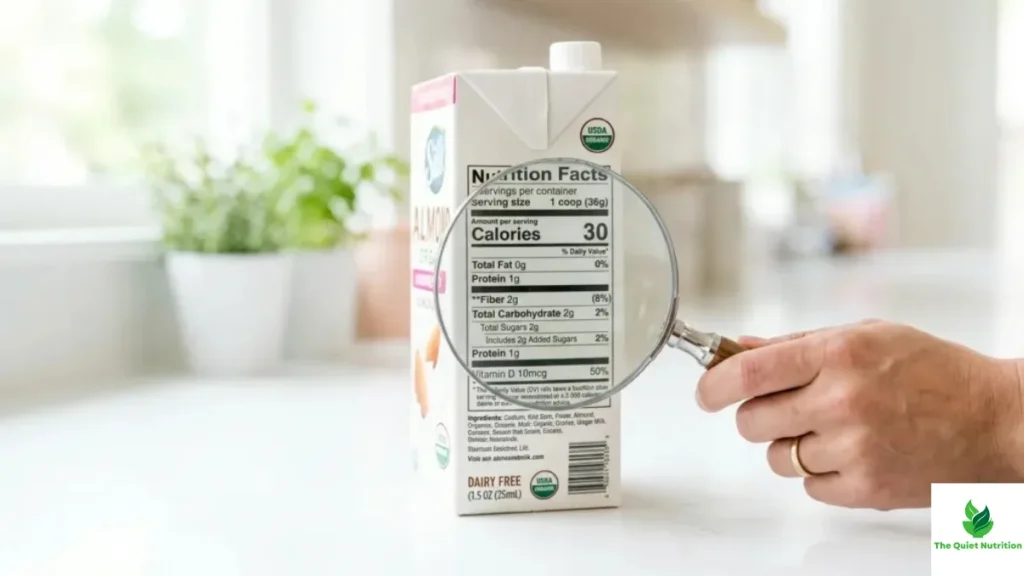
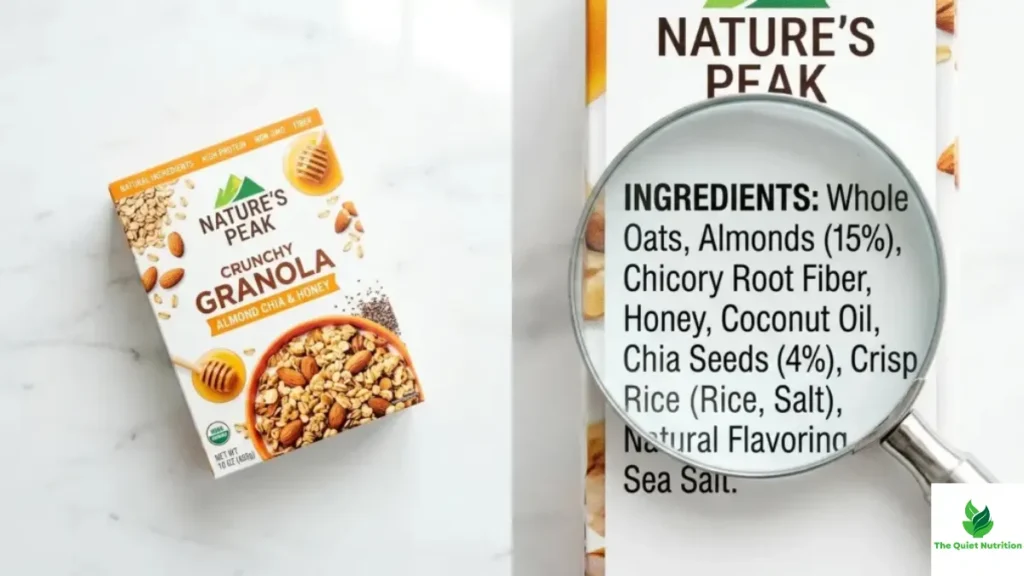
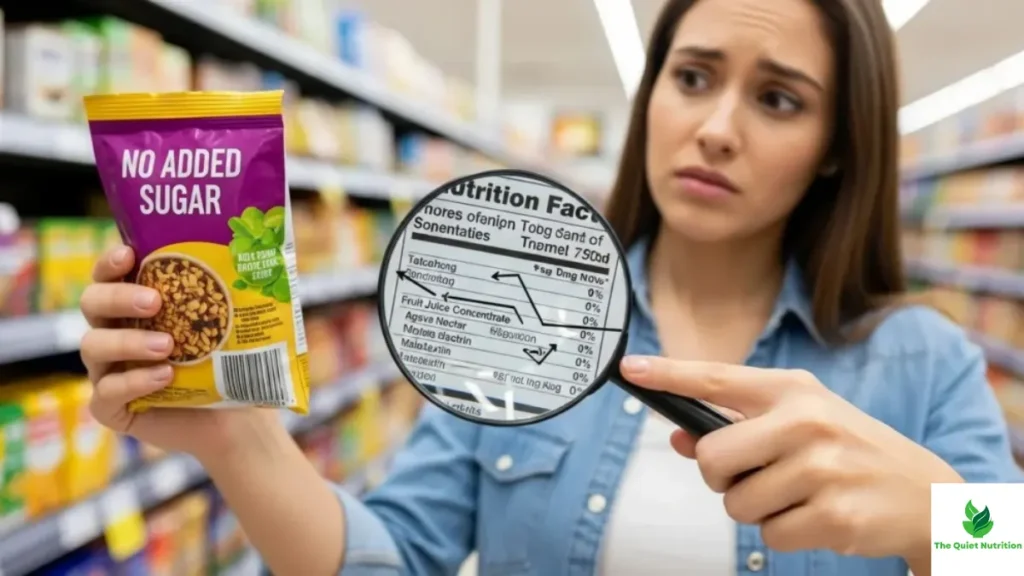
The fix isn’t complicated, but it does require a few extra seconds. Skip the front-of-package claim entirely and go straight to the nutrition facts panel and ingredients list. Compare the same handful of numbers across both products every time — added sugar, sodium, saturated fat, fiber, and protein — rather than letting whichever bold claim you saw first anchor the comparison. If one product wins on protein but loses badly on sodium and added sugar, the “impressive” claim on the front was never the full story to begin with.
The Bottom Line
A single flattering claim on the front of a package is designed to catch your eye, not to summarize the product. When you’re torn between “low sugar” and “high protein,” the real answer isn’t picking a winner based on the label that sounds better — it’s turning the package around and comparing the numbers that actually matter, together, every time.
Sources
- Gundersen Health – Nutrition Facts: How to Read Food Labels Without Being Fooled
- PMC (NIH) – Perspective: Reductionist Nutrition Research Has Meaning Only Within the Framework of Holistic and Ethical Thinking
- PMC (NIH) – The Power of Suggestion: Subjective Satiety Is Affected by Nutrient and Health-Focused Food Labelling
- PMC (NIH) – The WHO South-East Asia Region Nutrient Profile Model: An Exploration of 31,516 Food Products
- PMC (NIH) – Healthy or Not Healthy? A Mixed-Methods Approach to Evaluate Front-of-Pack Nutrition Labels
- FoodNavigator – Nutrition Labelling Alone Not Effective in Comparison Study

Aarti Solanki, B.Sc. (Food Science), is a food science writer passionate about making nutrition simple and evidence-based. She creates well-researched, easy-to-understand articles on healthy eating, food science, and nutrition, using information from trusted scientific and public health sources.