
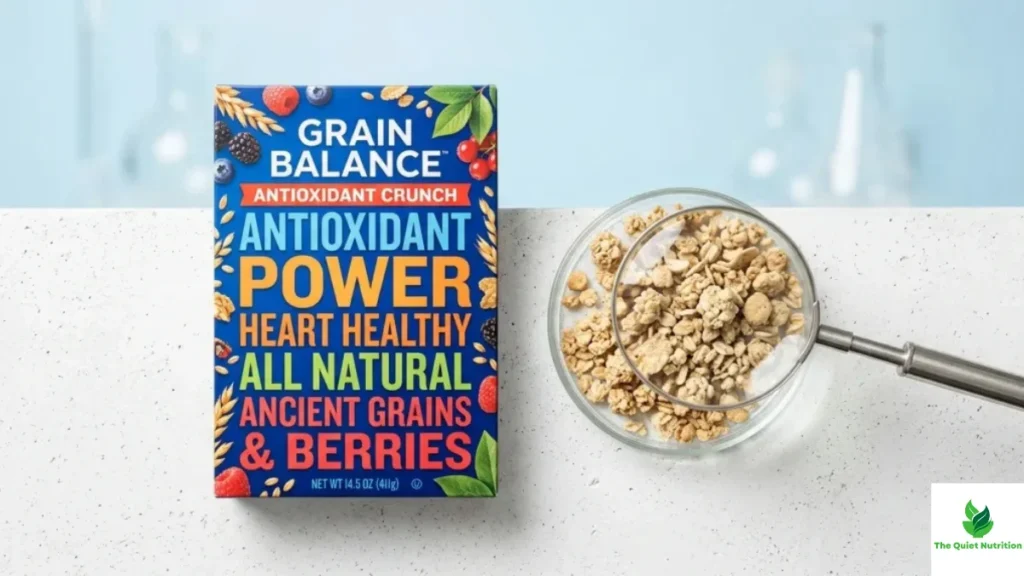
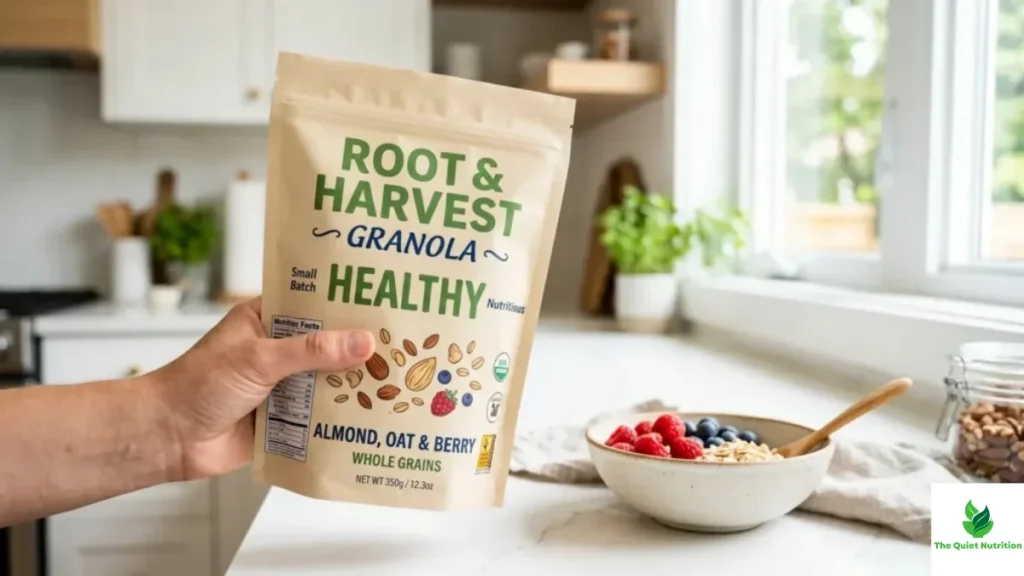
Picture two identical granola bars sitting on a shelf. One has a plain label. The other says “Heart Healthy,” “Made with Real Fruit,” and “No Artificial Anything” in bold green lettering. Most people, without thinking twice, will assume the second bar is meaningfully better — lower in sugar, more nutritious, a smarter choice overall. Often, it isn’t. The nutrition panels can be nearly identical. What’s different isn’t the food. It’s how your brain processes the claim.
This isn’t a matter of gullibility. It’s a well-documented cognitive pattern, and understanding how it works makes it much easier to recognize when it’s happening in real time.
The Health Halo Effect
Researchers call this the “health halo effect” — the tendency for one positive health claim or cue to bias perception of an entire product, even in areas the claim never actually addressed. A product labeled “low fat” gets assumed to be lower in calories overall, even when it isn’t. A product labeled “organic” gets assumed to be lower in sugar, even though organic certification says nothing about sugar content at all. The halo spreads well beyond the specific claim printed on the package.
Studies on this effect have found that when foods carry a health-related claim, people consistently estimate them to be lower in calories and consume larger portions of them compared to identical foods without the claim, even when the actual nutritional content is the same or worse. The claim doesn’t just change perception — it changes behavior, including how much people eat.
Your Brain Is Built to Take Shortcuts
The deeper reason this works so effectively comes down to how human cognition generally operates. Fully evaluating a food’s nutritional profile requires reading and comparing multiple numbers on a label, understanding daily value percentages, and holding that information in mind while comparing it to alternatives. That’s a lot of mental effort for a routine grocery decision, so the brain defaults to faster mental shortcuts, known as heuristics, instead.
A bold claim like “Heart Healthy” or “Clinically Proven” functions as exactly this kind of shortcut. It replaces the effortful task of independently evaluating the product with a much easier task: trusting the claim at face value. This isn’t laziness in any meaningful sense — it’s simply how cognition is structured to manage the overwhelming number of decisions people make every day, most of which genuinely don’t warrant deep analysis.
Specificity and Authority Make Claims Feel More Credible
Not all claims trigger the same level of trust, and marketing research has identified some consistent patterns in what makes a claim feel more believable. Specific numbers tend to feel more credible than vague language — “40% less sugar” reads as more trustworthy than simply “less sugar,” even though the specific figure alone doesn’t tell you what it’s being compared against or whether the baseline was unusually high to begin with.
Authority cues work similarly. References to clinical studies, doctor endorsements, or scientific-sounding language increase perceived credibility, tapping into a well-established psychological tendency to defer to authority figures or expert-coded language, even when the underlying research referenced is thin, industry-funded, or not directly related to the specific product making the claim.
Color and Visual Design Do a Lot of Quiet Work
Packaging design plays a significant, often underestimated role in this trust-building process. Green coloring, imagery of nature, and simple, uncluttered design consistently trigger associations with health and purity, largely independent of the actual product inside. This is why products with genuinely similar nutritional profiles can be perceived very differently based purely on color palette and visual style, since these visual cues get processed faster and more automatically than the actual text of any claim.
Why This Isn’t Really About Being “Fooled”
It’s tempting to frame this as a matter of gullible consumers versus manipulative marketing, but that framing misses something important: these cognitive shortcuts exist because they’re generally useful in daily life, not because they’re inherently flawed. The same heuristics that make someone trust a “heart healthy” label also help people make thousands of other reasonably good snap judgments every day without becoming paralyzed by decision fatigue. The issue isn’t the existence of the shortcut — it’s that food marketing has become sophisticated at deliberately triggering it in ways that don’t reliably correlate with the product’s actual nutritional value.
A More Useful Habit
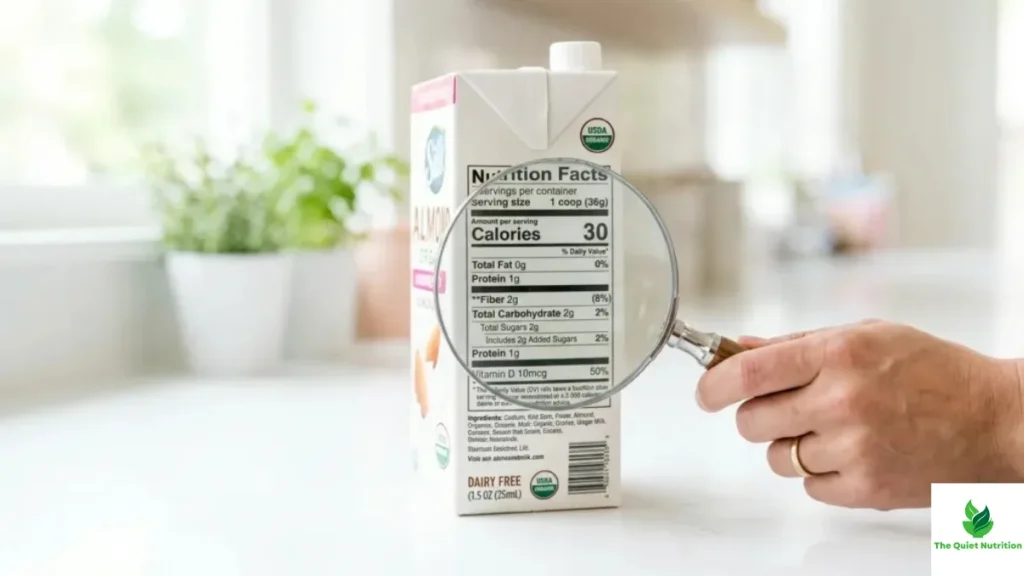
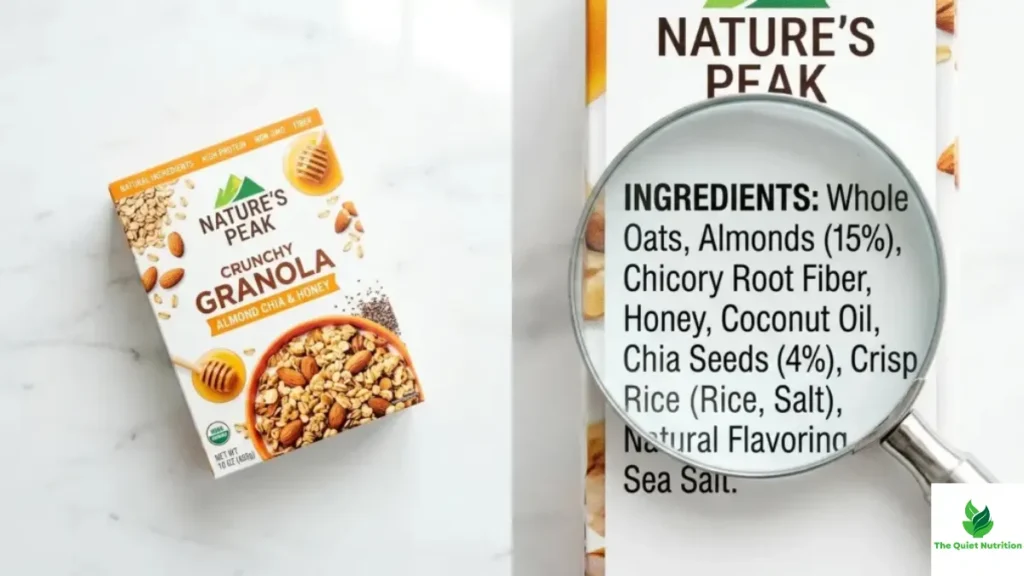
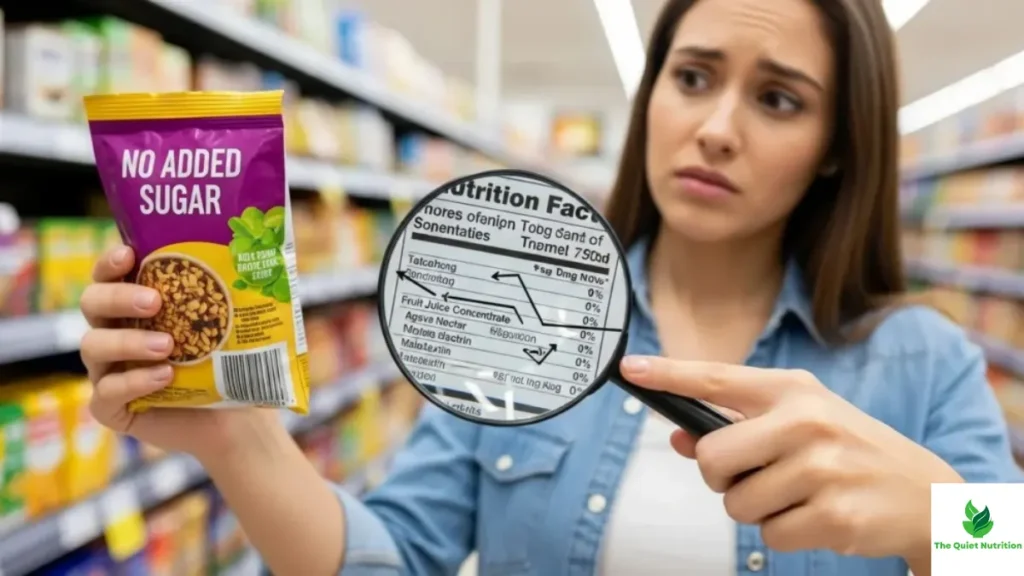
Recognizing this pattern doesn’t require becoming suspicious of every product claim or overhauling how you shop. It mostly requires a small, specific habit: when a bold claim catches your attention, treat it as a prompt to check the nutrition panel rather than a substitute for checking it. The claim might be entirely accurate — many are — but the only way to know is to look past the halo and at the actual numbers underneath it.
Sources
- U.S. Food and Drug Administration – How to Understand and Use the Nutrition Facts Label
- Federal Trade Commission – Guides for the Use of Environmental and Health-Related Marketing Claims
- Harvard T.H. Chan School of Public Health – The Nutrition Source
- World Health Organization – Food Marketing Exposure and Power: A Narrative Review
- U.S. Food and Drug Administration – Food Labeling and Nutrition Overview

Aarti Solanki, B.Sc. (Food Science), is a food science writer passionate about making nutrition simple and evidence-based. She creates well-researched, easy-to-understand articles on healthy eating, food science, and nutrition, using information from trusted scientific and public health sources.

Pingback: How “No Added Sugar” Can Still Mean Sweet — The Label Trick Most People Don’t Catch
Pingback: Why “Natural” Has No Clear Definition — And Why That Confusion Works So Well
Pingback: Why “Low Fat” Became a Marketing Shortcut — And How It Quietly Changed the Way We Eat
Pingback: How Food Label Design Tricks the Brain Into Seeing “Healthy” — Even When It Isn’t
Pingback: Why Ingredient Order Matters More Than Buzzwords — And How to See Past Food Label Hype
Pingback: Why “High Protein” Doesn’t Equal Balanced Nutrition — The Popular Health Shortcut That Often Backfires
Pingback: What Nutrition Labels Leave Out: The Missing Context Behind “Healthy” Foods