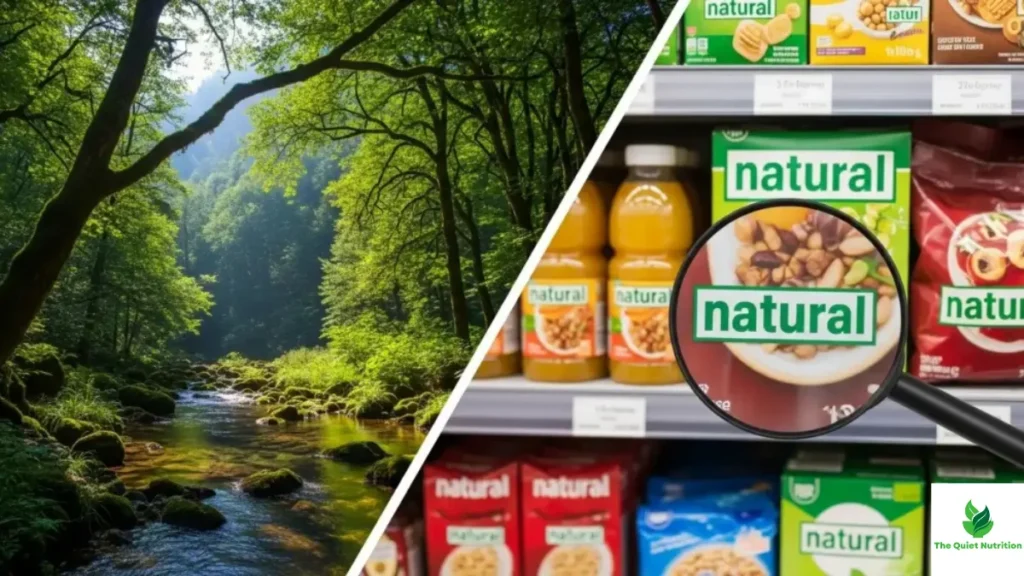
Walk down almost any grocery aisle and the word “natural” is everywhere — on chips, sodas, cereals, skincare-adjacent snack bars. It feels like it should mean something concrete: minimally processed, free of weird additives, closer to how the food originally existed. Here’s the uncomfortable truth: in the United States, “natural” on a food label has no formal, enforced definition. And that lack of definition isn’t an oversight. It’s precisely what makes the word so useful for marketing.
A Word With No Legal Backbone
Unlike terms such as “organic,” which is tightly regulated under a certified standard, or “USDA Prime,” which refers to a specific grading system, “natural” has never been formally defined by the FDA for most food products. The agency has historically taken the informal position that “natural” means nothing artificial or synthetic was added that wouldn’t normally be expected in the food — but this is guidance, not an enforced legal standard, and it leaves enormous room for interpretation.
The FDA has acknowledged this gap publicly and has, at various points, requested public comment on whether to formally define the term, but no binding definition currently exists for general food labeling. In practice, this means a manufacturer can put “natural” on a package based largely on their own judgment, provided they’re not making an outright false claim.
Why Companies Love the Ambiguity
Words like “natural” tap into a well-documented psychological shortcut sometimes called the “natural-is-better” bias — a general assumption that anything labeled natural is automatically healthier, safer, or less processed than alternatives, even when that isn’t actually true. Marketing research has repeatedly shown that adding “natural” to a product can meaningfully increase consumer trust and purchase intent, regardless of the product’s actual nutritional profile.
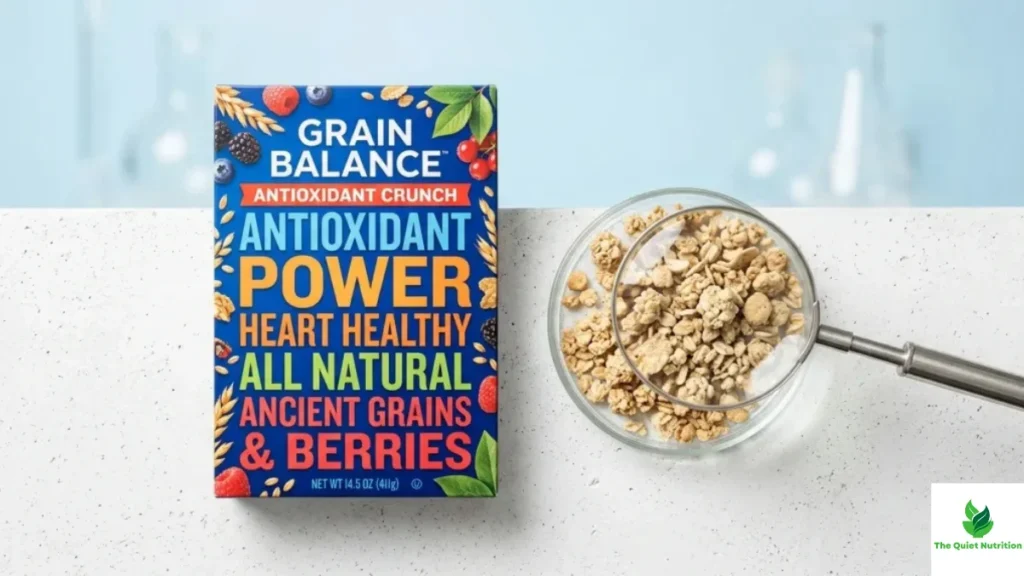
Because the term is legally loose, brands can apply it to products that are still highly processed, high in sugar or sodium, or contain ingredients most people wouldn’t consider intuitively “natural” at all. This isn’t necessarily illegal — it’s simply taking advantage of a labeling gap that regulators haven’t closed.
“Natural Flavors” Are Their Own Separate Puzzle
The phrase “natural flavors” on an ingredient list adds another layer of confusion. Under FDA rules, a flavor can be labeled “natural” if it’s derived from a plant or animal source at some point in its processing, even if it then goes through significant chemical processing afterward to become the final flavor compound used in the product. This means “natural flavor” doesn’t guarantee a simple, minimally processed ingredient — it just means the origin point, however distant, was biological rather than fully synthetic.
This is part of why two products can list “natural flavors” as an ingredient while being manufactured through very different, sometimes heavily processed, methods to arrive at that flavor.
Meat and Poultry Follow a Slightly Different, Still Limited Rule
For meat and poultry specifically, the USDA does apply a narrower standard: “natural” products must not contain artificial ingredients or added color and must be only minimally processed. This is more concrete than the FDA’s general food guidance, but it still says nothing about how the animal was raised, what it was fed, or whether antibiotics or hormones were used — details many consumers assume “natural” implies but that the label doesn’t actually guarantee.
What “Natural” Does Not Promise
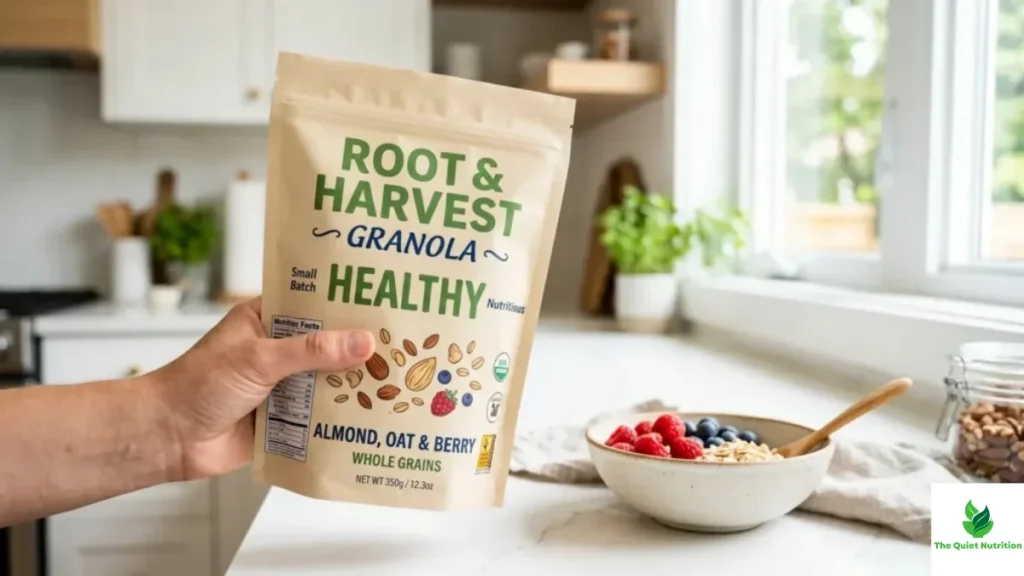
It’s worth being explicit about what this label doesn’t cover, because the assumptions tend to run far ahead of the reality. “Natural” says nothing about whether a product is organic, non-GMO, free of pesticides, low in sugar or sodium, or minimally processed in a broader sense. A product can be technically “natural” under current guidance while still being ultra-processed, high in added sugar, or nutritionally similar to a product without the label at all.
How to Cut Through It
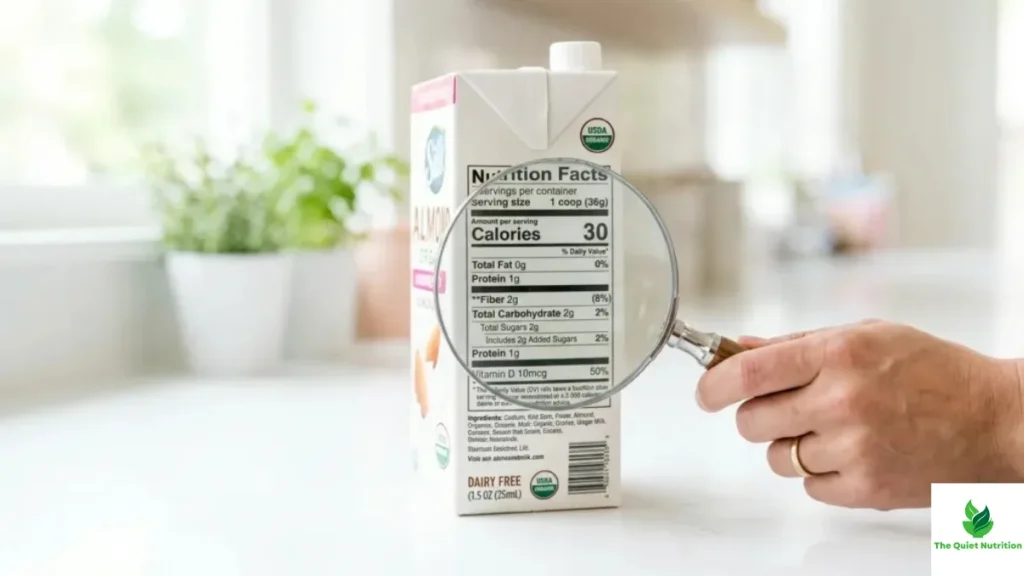
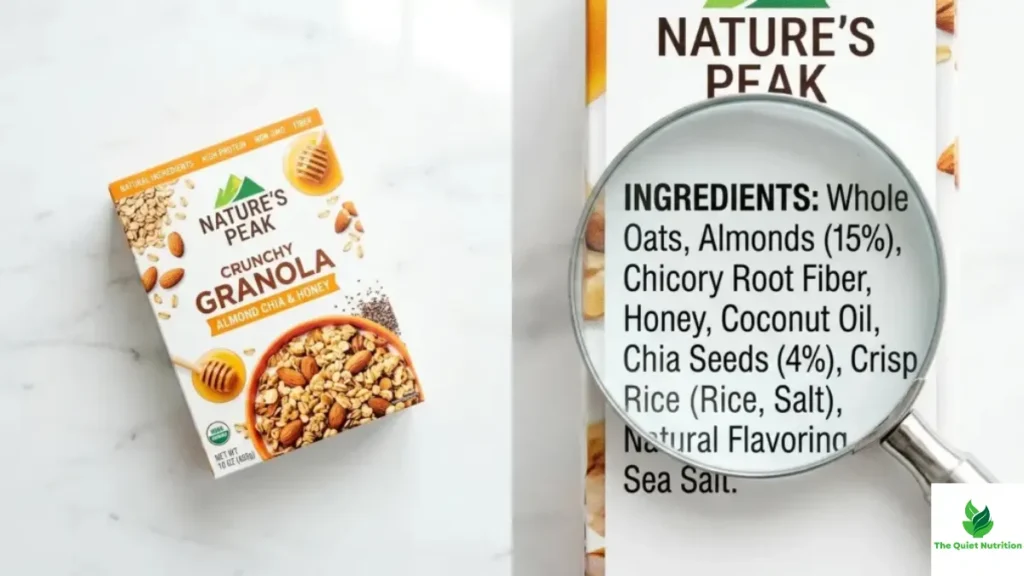
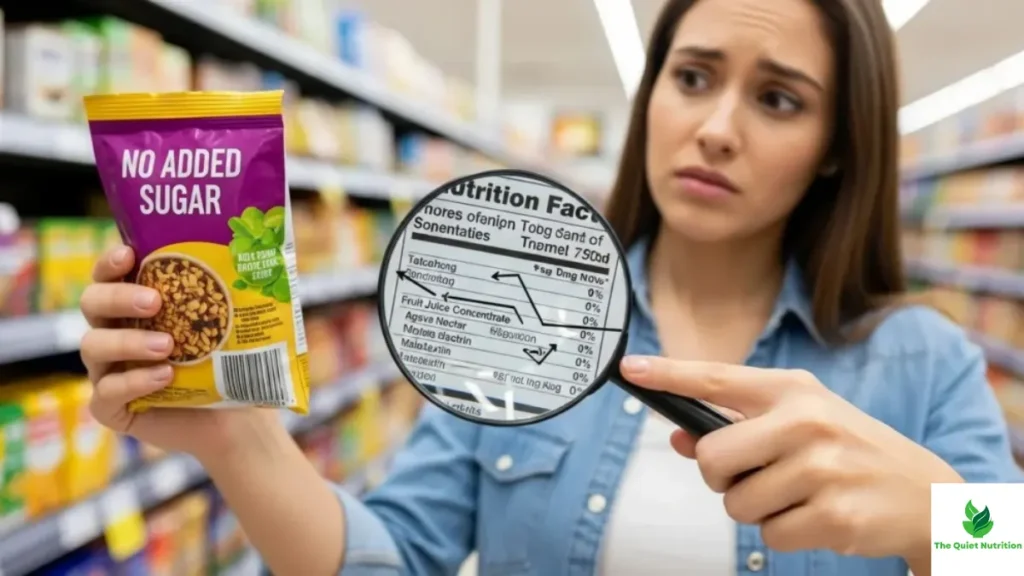
Since “natural” carries so little enforceable weight, it’s generally more useful to treat it as marketing language rather than a nutritional signal, and to look instead at the ingredient list and nutrition panel directly. Certifications with actual regulated standards behind them — like “USDA Organic” or “Non-GMO Project Verified” — carry more concrete meaning than “natural” ever will, simply because they’re backed by defined criteria and enforcement, whereas “natural” currently is not.
The Bigger Pattern
“Natural” isn’t unique in being a loosely regulated label — it’s just one of the clearest examples of a broader pattern in food marketing, where ambiguous, emotionally resonant words get used precisely because they aren’t pinned down by regulation. The less a term is legally defined, the more flexible it becomes for marketing purposes, and “natural” sits near the top of that list. Recognizing that gap doesn’t mean assuming every “natural” product is bad — it just means the word alone shouldn’t be doing any of the deciding for you.
Sources
- U.S. Food and Drug Administration – “Natural” on Food Labeling
- U.S. Department of Agriculture, Food Safety and Inspection Service – Meat and Poultry Labeling Terms
- Harvard T.H. Chan School of Public Health – The Nutrition Source
- U.S. Food and Drug Administration – Food Additives and Ingredients
- Federal Trade Commission – Green Guides and Truth in Advertising Standards

Aarti Solanki, B.Sc. (Food Science), is a food science writer passionate about making nutrition simple and evidence-based. She creates well-researched, easy-to-understand articles on healthy eating, food science, and nutrition, using information from trusted scientific and public health sources.

Pingback: How Food Labels Trigger Fear — And Why Smart Shoppers Still Fall for It