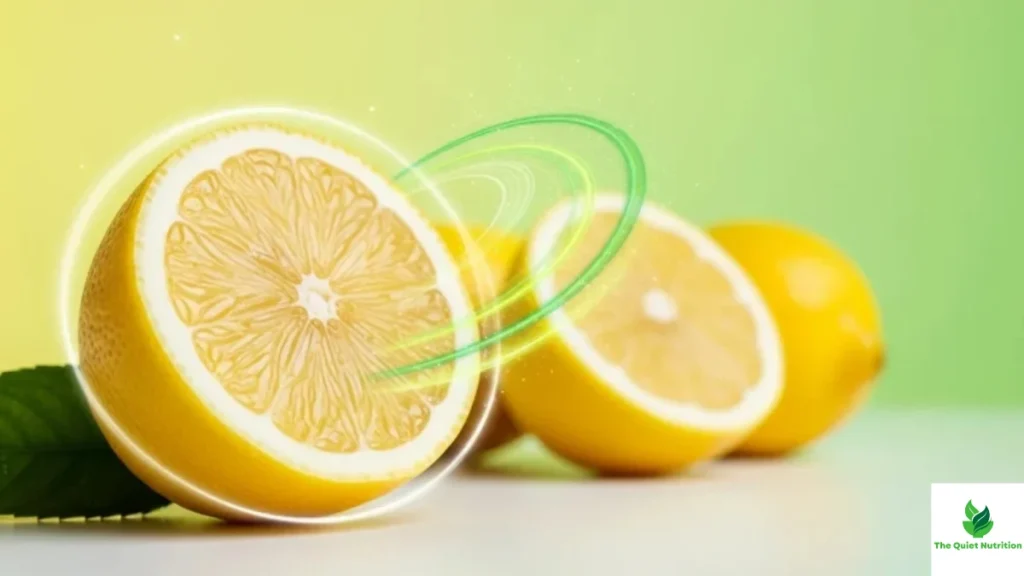
Most people think of lemons as a garnish, a squeeze in their morning water, or a flavor booster in salad dressing. But the humble lemon is doing far more than adding zest — and most of that benefit is hiding in parts of the fruit people usually throw away.
Here’s what the research actually says about lemons, including the overlooked compounds in the peel and pith that do more heavy lifting than the juice itself.
1. The Real Power Is in the Peel, Not Just the Juice
Nearly everyone squeezes the juice and tosses the peel. That’s likely a mistake. Lemon peel is packed with flavonoids like eriocitrin, hesperidin, and narirutin — compounds barely present in the juice alone.
Eriocitrin in particular has drawn scientific attention. Research highlighted by health researchers found that this peel-concentrated flavonoid showed promise for reducing diet-induced liver fat, an effect linked to its role in activating genes involved in mitochondrial fat metabolism. Peel extracts have also been studied for their antioxidant and cell-protective effects in laboratory research on gastric cells.
Practical takeaway: Zesting a lemon into tea, oatmeal, or a marinade delivers compounds the juice alone doesn’t provide.
2. Lemon’s Essential Oil Compound Does More Than Smell Nice
D-limonene, the aromatic oil that makes lemon peel smell like, well, lemon, makes up more than half of lemon peel’s essential oil. Beyond fragrance, animal and lab research has linked limonene and lemon essential oil to protection of the stomach lining against ulcers, along with potential roles in digestion and lipid metabolism.
In a clinical setting, aromatherapy using lemon essential oil provided relief from nausea and vomiting in the majority of uses among cancer patients receiving palliative care in a retrospective review — a small but notable finding most people never hear about.
3. Lemon Polyphenols May Support Healthy Aging
This is where it gets genuinely surprising. A study published in Scientific Reports examined lifelong intake of lemon polyphenols in a mouse model bred to age rapidly. Mice given lemon polyphenols showed a longer lifespan, delayed onset of aging-related physical decline, and a more stable gut microbiome compared to those that didn’t receive them.
Human research is still catching up, but early clinical trials on concentrated lemon flavonoid extracts (rich in eriocitrin) have shown improvements in blood sugar control and gut microbiome balance in people with prediabetes — a far cry from “just vitamin C.”
4. It’s Not Really About the Vitamin C
Yes, lemons are a solid source of vitamin C, providing roughly a third of the daily recommended intake in a quarter cup of juice. Vitamin C matters for immune function, collagen production, and antioxidant defense. But treating lemons as simply “a vitamin C fruit” undersells them — oranges and bell peppers deliver more vitamin C per serving.
What makes lemons genuinely distinctive is the combination: citric acid, soluble pectin fiber, and a unique flavonoid profile working together — not vitamin C in isolation.
5. Citric Acid’s Quiet Role in Kidney Health
One of the most clinically useful — and least talked about — lemon benefits involves kidney stones. Citric acid, abundant in lemons, appears to help prevent the crystal formation that leads to kidney stones by binding with calcium in urine and increasing urine citrate levels. This is well-established enough that some urologists recommend lemon juice or lemonade as a low-cost adjunct for people prone to calcium-based stones.
6. Lemon Fiber and Blood Vessel Health
The pectin fiber in lemon pulp and pith does double duty: it can promote a feeling of fullness that supports weight management, and — alongside flavonoids like hesperidin and diosmin — may help maintain healthy blood vessels. Research summarized by Harvard’s T.H. Chan School of Public Health connects higher citrus fruit intake with a lower risk of ischemic stroke and hypertension, a benefit tied to the fruit’s whole nutrient package rather than any single compound.
How to Actually Capture These Overlooked Benefits
Since the biggest benefits live outside the juice, here’s how to get more out of every lemon:
- Zest before you juice. Add lemon zest to dressings, baked goods, tea, or roasted vegetables.
- Use the whole fruit when possible. Thin-sliced lemon (peel included) in water or infused into olive oil captures more flavonoids than juice alone.
- Don’t discard the pith. The white layer under the peel is a concentrated source of pectin and flavonoids, even though it’s the bitterest part.
- Pair with iron-rich foods. Vitamin C from lemon can improve absorption of plant-based iron sources like spinach and lentils.
The Bottom Line
Lemons aren’t just a vitamin C delivery system or a kitchen garnish. The compounds concentrated in the peel, pith, and essential oil — eriocitrin, hesperidin, D-limonene, and citric acid — are where the more surprising, research-backed benefits are showing up, from liver fat reduction to kidney stone prevention to early aging research in animal models. Using more of the fruit, not just the juice, is the simplest way to unlock what most people are missing.
This article is for informational purposes and is not a substitute for medical advice. Speak with a healthcare provider about any specific health condition.
Sources
- National Institutes of Health, Office of Dietary Supplements – Vitamin C Fact Sheet
- PMC/NIH – Lemon Juice and Melatonin: Antioxidant and Health Effects
- Nature, Scientific Reports – Lifelong Lemon Polyphenol Intake, Aging, and the Gut Microbiome
- NIH/PMC – Eriocitrin Nutraceutical (Eriomin) and Prediabetes Gut Microbiome Trial
- NCBI/PMC – Citrus limon Peel Extract Effects on Gastric Cancer Cells
- ScienceDirect – Eriocitrin: A Review of Pharmacological Effects
- Medical News Today (medically reviewed) – Lemons: Benefits, Nutrition, Tips, and Risks
- Drugs.com – Lemon: Uses, Benefits, and Dosage (clinical reference)
- Harvard T.H. Chan School of Public Health – citrus intake and cardiovascular research, cited via WellFit Insider summary

Aarti Solanki, B.Sc. (Food Science), is a food science writer passionate about making nutrition simple and evidence-based. She creates well-researched, easy-to-understand articles on healthy eating, food science, and nutrition, using information from trusted scientific and public health sources.