The Difference Between Eating for Fullness and Eating for Function
Most people eat until hunger disappears.
And then they assume the job is done.
But fullness is just a physical sensation.
Function is how your body actually performs afterward.
This is why someone can eat a large meal and still feel:
- Sluggish
- Foggy
- Inflamed
- Unmotivated
- Drained hours later
They ate for fullness—but not for function.
And once you understand the difference, food stops being confusing.
Fullness: A Mechanical Signal, Not a Health Signal
Fullness comes from:
- Stomach stretch
- Food volume
- Temporary blood sugar rise
It tells you one thing:
“There is food present.”
It does not tell you:
- Nutrient sufficiency
- Cellular repair
- Hormonal balance
- Energy stability
Highly processed foods are especially good at creating fullness without function.
That’s why fullness alone is a poor guide for nutrition quality.
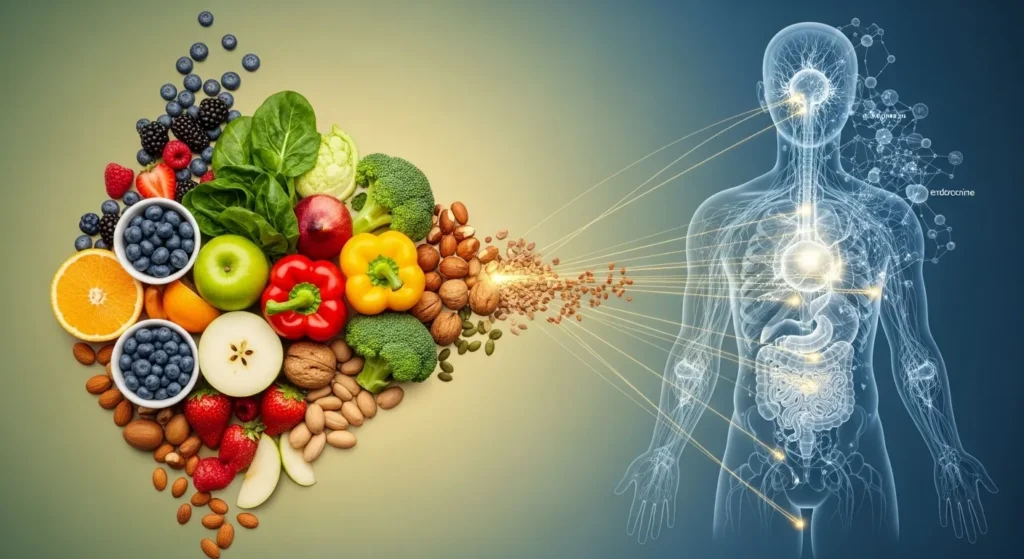
Function: What Food Is Actually Meant to Support
Eating for function focuses on what happens after digestion.
Functional eating supports:
- Brain clarity
- Stable energy
- Muscle repair
- Hormone production
- Immune resilience
- Metabolic balance
This is why two meals with the same calories can produce completely different outcomes.
One feeds the stomach.
The other feeds the body.
A Simple Real-Life Example
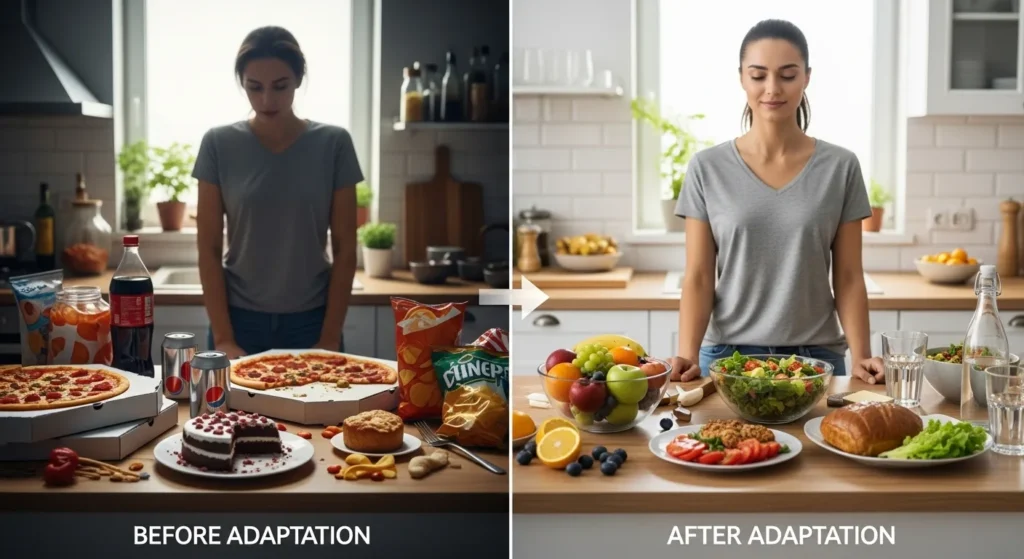
Meal focused on fullness
- Large portion
- Refined carbs
- Minimal protein
- Low micronutrients
Result:
- Quick fullness
- Short energy spike
- Fast crash
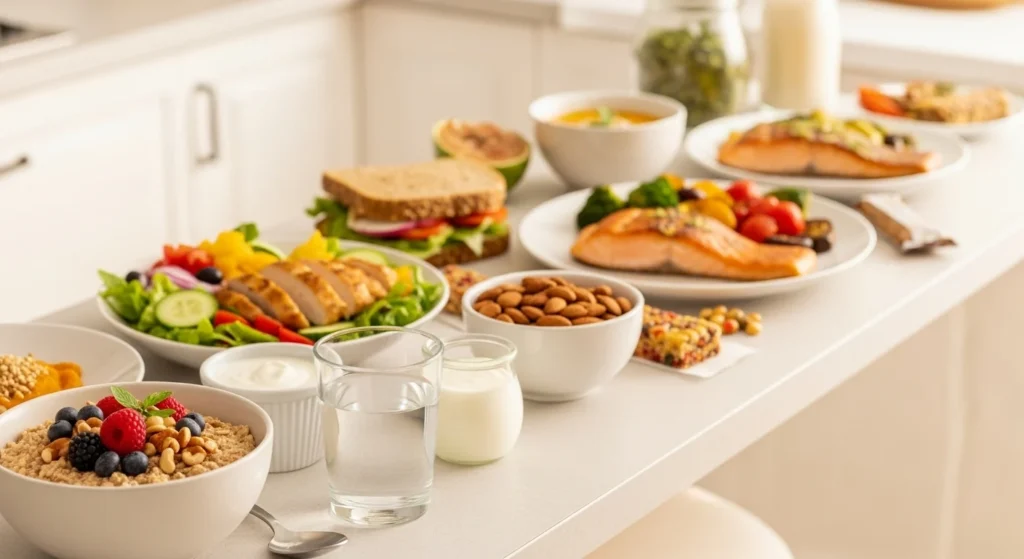
Meal focused on function
- Protein
- Fiber
- Healthy fats
- Micronutrients
Result:
- Moderate fullness
- Stable energy
- Better focus and recovery
The difference isn’t quantity.
It’s purpose.
Why Modern Diets Train Us to Eat for Fullness
Food environments today reward:
- Speed
- Volume
- Palatability
- Convenience
Ultra-processed foods are engineered to:
- Fill space
- Trigger appetite
- Bypass natural satiety signals
They do this without delivering what cells need.
So people eat enough—and sometimes too much—while still underperforming.
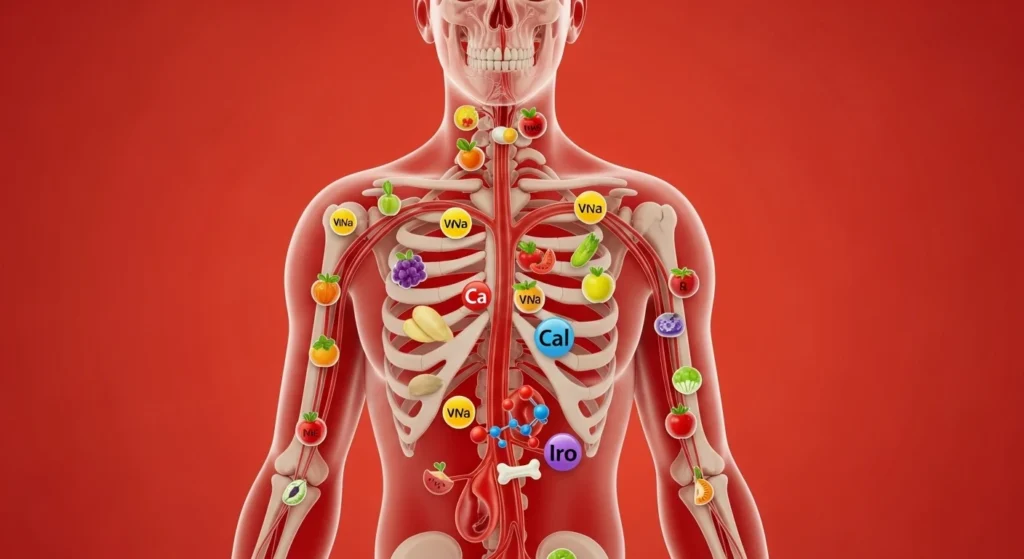
The Body’s Perspective: Full Doesn’t Mean Satisfied
Your body measures success differently than your stomach.
Cells care about:
If these are missing, the body keeps asking—through fatigue, cravings, or inflammation—even when the stomach feels full.
This mismatch creates frustration:
“Why am I still tired when I eat so much?”
Eating for Fullness Often Prioritizes Volume Over Value
Fullness-driven eating usually emphasizes:
- Portion size
- Low-cost calories
- Quick satiety
Function-driven eating emphasizes:
- Nutrient density
- Balance
- Digestibility
- Timing
Neither is about perfection.
But only one supports long-term health.
Fullness vs Function: A Clear Comparison
| Aspect | Eating for Fullness | Eating for Function |
|---|---|---|
| Primary goal | Stop hunger | Support body systems |
| Focus | Quantity | Quality + balance |
| Energy outcome | Short-lived | Sustained |
| Cravings | Often return | Often reduce |
| Long-term health | Neutral to poor | Strongly supportive |
Why Energy Crashes Reveal the Difference
Energy is one of the fastest ways to spot the gap.
Fullness-based meals often cause:
- Rapid glucose rise
- Insulin spike
- Energy crash
Function-based meals support:
- Stable glucose
- Balanced hormones
- Consistent energy
This is why people associate eating with sleepiness—when it doesn’t have to be that way.
Common Mistakes People Make Without Realizing It
Mistake 1: Equating Satiety with Nutrition
Feeling full doesn’t guarantee nutrient sufficiency.
Mistake 2: Fear of Protein and Fats
These are critical for function, not optional extras.
Mistake 3: Ignoring Micronutrients
Calories don’t build enzymes or hormones—nutrients do.
Mistake 4: Eating Fast, Distracted Meals
Digestion starts in the nervous system.
Hidden Tip: Function Improves When the Body Feels Safe
The body doesn’t use nutrients efficiently under stress.
Support function by:
- Eating regularly
- Avoiding extreme restriction
- Sitting down to eat
- Sleeping adequately
These signals tell your body:
“You can use this fuel—not conserve it.”
Actionable Steps to Shift From Fullness to Function
You don’t need to overhaul everything.
Start small.
Practical, Real-World Changes
- Add protein to every meal
- Include fiber-rich foods daily
- Eat slowly when possible
- Balance meals with fats and carbs
- Notice how food affects energy, not just hunger
Function reveals itself through how you feel hours later—not minutes.
Why This Matters Today
Modern life pushes:
- Fast eating
- Stress eating
- Convenience eating
But performance, focus, mood, and long-term health depend on function.
When you eat for function:
- Cravings soften
- Energy stabilizes
- Recovery improves
- Food becomes supportive, not stressful
This is a more sustainable relationship with nutrition.
Key Takeaways
- Fullness is a stomach signal, not a health guarantee
- Function reflects how well food supports your body
- Highly processed foods create fullness without nourishment
- Energy stability is a key marker of functional eating
- Small shifts in quality and balance make a big difference
FAQs
1. Can I eat for both fullness and function?
Yes. The goal isn’t hunger—it’s balanced nourishment.
2. Why do I feel tired after eating large meals?
Large, low-quality meals disrupt blood sugar and digestion.
3. Does eating more protein really help function?
Yes. Protein supports repair, hormones, and satiety.
4. Is fullness bad?
No—but it’s incomplete as a nutrition guide.
5. How long does it take to notice improvement?
Many people notice better energy and focus within weeks.
Conclusion
Eating until you’re full solves one problem.
Eating for function solves many.
When food supports how your body works—not just how it feels in the moment—nutrition becomes clearer, calmer, and far more effective.
That’s the shift most people never make—but benefit from the most.
Disclaimer: This article is for general education only and does not replace personalized medical or nutritional guidance.
Pingback: You’re Eating Enough—So Why Does Your Body Still Feel Depleted? The Nutrition Gap Most People Miss
Pingback: How Nutrition Labels Turn Complicated Food Science Into Simple Everyday Choices
Pingback: Why “High Protein” Doesn’t Equal Balanced Nutrition — The Popular Health Shortcut That Often Backfires