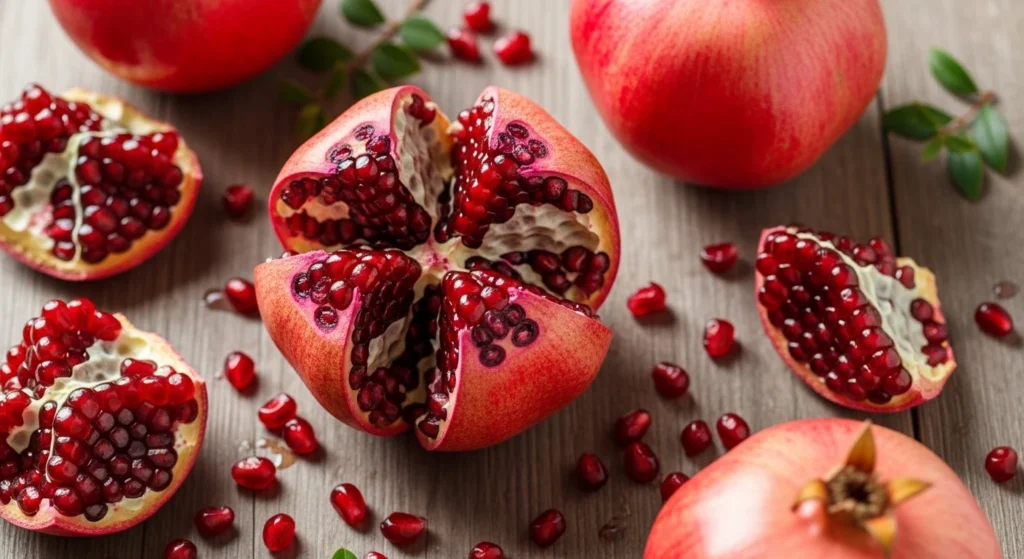
What Makes Pomegranates a Powerful Antioxidant Fruit
Pomegranates look almost magical when you cut them open.
Hundreds of jewel-like red seeds.
Sweet-tart juice bursting with flavor.
A fruit that feels ancient, luxurious, and deeply nourishing.
But beyond their beauty, pomegranates hold something even more impressive:
They are one of nature’s most powerful antioxidant fruits.
And once you understand what’s inside those tiny arils, you’ll realize why this fruit has been celebrated for centuries—not just for taste, but for true cellular protection.
Let’s explore what makes pomegranates such an antioxidant powerhouse, and why they matter more than most people think.
Why Antioxidants Matter More Than Ever
Before we dive into pomegranates specifically, it helps to understand one key concept:
Every day, your body is under attack from oxidative stress.
This happens when unstable molecules called free radicals damage your cells.
Over time, oxidative stress is linked to:
- Faster aging
- Inflammation
- Heart disease risk
- Weakened immunity
- Skin dullness
- Cellular wear and tear
Antioxidants are your body’s defense system.
They neutralize free radicals before they cause harm.
And pomegranates?
They don’t just contain antioxidants…
They contain some of the strongest ones found in any fruit.
What Makes Pomegranates So Special? The Antioxidant Advantage
Many fruits offer antioxidants.
Blueberries, oranges, grapes, even apples.
So what makes pomegranates stand out?
The answer is their unique antioxidant profile—one that is rare, concentrated, and deeply protective.
Pomegranates contain powerful compounds like:
- Punicalagins
- Anthocyanins
- Ellagic acid
- Polyphenols
- Tannins
These aren’t just buzzwords.
They are the reason pomegranates consistently rank among the most antioxidant-rich foods on Earth.
The Star Compounds: Punicalagins (Pomegranate’s Superpower)
If pomegranates had a signature weapon, it would be punicalagins.
Punicalagins are extremely potent antioxidants found almost exclusively in pomegranate juice and peel.
Research shows these compounds have:
- Strong anti-inflammatory effects
- Free-radical scavenging ability
- Protective effects on blood vessels
- Cellular defense properties
In fact, punicalagins are believed to contribute to most of pomegranate’s health reputation.
This is what makes pomegranates more powerful than many common fruits.
Pomegranate vs Other Fruits: Antioxidant Comparison Table
Here’s how pomegranates compare with other popular antioxidant fruits:
| Fruit | Key Antioxidants | Antioxidant Strength | Unique Benefit |
|---|---|---|---|
| Pomegranate | Punicalagins, polyphenols | ⭐⭐⭐⭐⭐ Highest | Deep cellular protection |
| Blueberries | Anthocyanins | ⭐⭐⭐⭐ | Brain and memory support |
| Oranges | Vitamin C, flavonoids | ⭐⭐⭐ | Immune boost |
| Grapes | Resveratrol | ⭐⭐⭐⭐ | Heart protection |
| Apples | Quercetin | ⭐⭐⭐ | General antioxidant support |
Pomegranates consistently rank at the top due to their rare polyphenol concentration.
How Pomegranates Protect Your Cells from the Inside Out
Here’s where things get fascinating.
Antioxidants don’t just “help.”
They work at the deepest biological level.
Pomegranate antioxidants support:
✅ Cellular Repair
They help prevent damage to DNA and cell membranes.
✅ Reduced Inflammation
Chronic inflammation is behind many modern illnesses, and pomegranates are naturally anti-inflammatory.
✅ Heart and Circulatory Support
The fruit’s compounds may help keep blood vessels healthier.
✅ Slower Aging
Oxidative stress accelerates aging. Antioxidants slow that process down.
Think of pomegranates as a natural shield for your body’s most vital systems.
Why Pomegranate Juice Is Even More Concentrated
Here’s a surprising truth:
Pomegranate juice often contains more antioxidant activity than red wine or green tea.
Why?
Because juice extracts antioxidants not only from the seeds, but also from parts of the fruit that are rich in polyphenols.
But there’s a catch…
Many store-bought juices contain added sugar.
Best option:
- 100% pure pomegranate juice
- No sweeteners
- Small servings (½ to 1 cup)
Real-Life Example: Why People Feel Better When They Add Pomegranate
Many people who start eating pomegranate regularly report:
- Better digestion
- Improved skin glow
- Less bloating
- More energy
- Fewer cravings for processed sweets
It’s not magic.
It’s nutrient density plus antioxidant support.
One fruit can gently shift the body toward healing.
Hidden Tip: The Peel Is Even Richer Than the Seeds
Most people throw away the peel.
But scientifically, the peel contains some of the highest polyphenol levels.
That’s why pomegranate extracts in supplements often come from the peel.
Practical takeaway:
- Eat the seeds
- Drink pure juice
- Don’t underestimate pomegranate tea or extract (from reputable brands)
Mistakes to Avoid When Eating Pomegranate
Even healthy foods can lose value when consumed incorrectly.
Avoid these common mistakes:
❌ Choosing sugary juice cocktails
Look for “100% juice” only.
❌ Eating pomegranate once a month
Antioxidant benefits are stronger with consistency.
❌ Ignoring portion balance
Pomegranate is healthy, but still contains natural sugars.
❌ Thinking supplements are always better
Whole fruit offers fiber and synergistic nutrients.
How to Add Pomegranate Into Your Diet (Simple & Delicious)
You don’t need complicated recipes.
Try these easy daily ideas:
Quick Options:
- Sprinkle seeds over oatmeal
- Add to yogurt with honey
- Toss into salads for crunch
- Blend into smoothies
- Drink ½ cup pure juice
Simple Antioxidant Bowl:
- Greek yogurt
- Pomegranate seeds
- Chopped walnuts
- A pinch of cinnamon
A meal that feels indulgent but heals quietly.
Why This Matters Today (Evergreen Truth)
We live in a world full of oxidative stress:
- Pollution
- Processed food
- Mental stress
- Lack of sleep
- Chronic inflammation
That’s why antioxidant-rich fruits matter more than ever.
Pomegranates aren’t just a “superfood trend.”
They are a timeless, research-backed fruit that supports the body in a modern environment.
✅ Key Takeaways
- Pomegranates are one of the most antioxidant-rich fruits in nature
- Their unique compound punicalagins makes them especially powerful
- They support cellular health, inflammation balance, and heart wellness
- Pure juice and whole seeds both offer impressive benefits
- Consistency matters more than occasional consumption
- Avoid sugary processed pomegranate drinks
FAQ: Pomegranates and Antioxidants
1. Are pomegranates really higher in antioxidants than blueberries?
Yes. Pomegranates contain unique polyphenols like punicalagins that often rank higher in antioxidant strength.
2. Is pomegranate juice as healthy as the whole fruit?
Pure juice is antioxidant-rich, but whole fruit provides fiber, which supports digestion and blood sugar balance.
3. How often should I eat pomegranate for benefits?
2–4 times per week is a great consistent frequency for antioxidant support.
4. Can pomegranates reduce inflammation naturally?
Yes. Their polyphenols have been widely studied for anti-inflammatory effects.
5. Who should be careful with pomegranate consumption?
People on certain medications or with blood sugar concerns should consult a healthcare professional before consuming large amounts.
Conclusion: A Fruit That Protects More Than It Tastes
Pomegranates aren’t just beautiful.
They aren’t just delicious.
They are one of the most powerful antioxidant fruits ever studied.
Inside each seed is a protective system of polyphenols, punicalagins, and plant compounds that support your body at the cellular level.
If you want a simple, natural upgrade to your diet…
Start with the fruit that looks like rubies…
And works like armor.
Pomegranate is nature’s antioxidant masterpiece.


Pingback: What Happens When You Eat Papaya Every Week (The Health Benefits Surprise Most People)