You’re staring at the screen.
You want to concentrate.
You try to focus.
But your thoughts feel slow, hazy, and disconnected.
So you push harder.
Another coffee.
Another to-do list.
Another round of self-blame.
But what if the problem isn’t your focus at all?
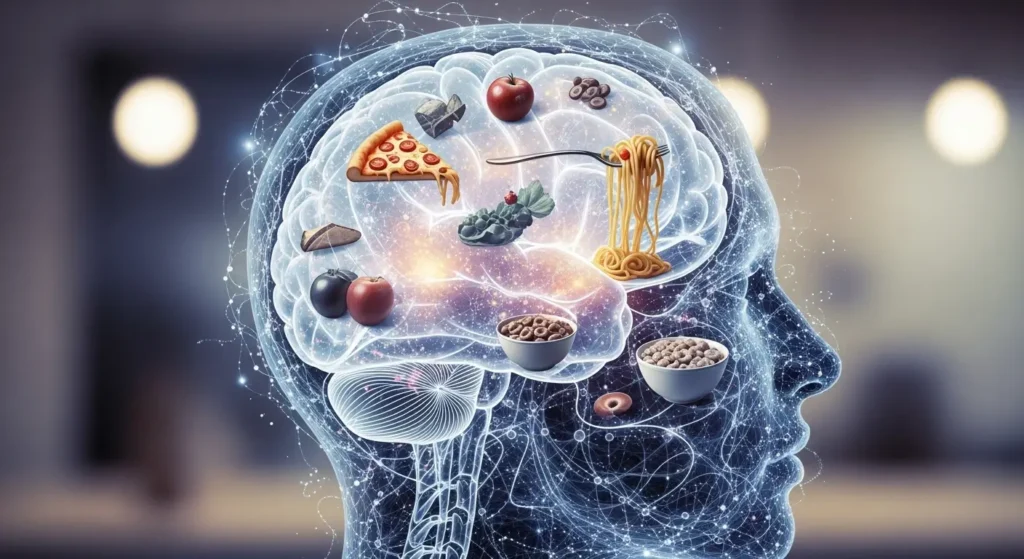
In many cases, brain fog is a fuel issue—your brain doesn’t have stable access to the energy it needs to think clearly.
And no amount of willpower can override that.
What Brain Fog Really Feels Like (And Why It’s So Misunderstood)
Brain fog isn’t a medical diagnosis.
It’s a lived experience.
People describe it as:
- Slow thinking
- Difficulty concentrating
- Mental fatigue
- Poor memory recall
- Feeling “mentally offline”
Because it’s invisible, it often gets mislabeled as:
- Laziness
- Lack of discipline
- Stress intolerance
But biologically, brain fog is often a signal, not a flaw.
The Brain Is an Energy-Hungry Organ (With No Backup Tank)
The brain is small, but it’s demanding.
Despite being only a fraction of body weight, it uses a large share of daily energy—a fact widely cited in neuroscience education and public health resources aligned with organizations like the World Health Organization.
Here’s the catch:
- The brain stores very little energy
- It needs a constant supply
- It reacts quickly to shortages
When energy availability dips, clarity drops first.
Why Brain Fog Is Rarely About “Trying Harder”
Focus is not a muscle you can flex endlessly.
Focus depends on:
- Stable glucose delivery
- Adequate oxygen and micronutrients
- Balanced neurotransmitter production
When fuel is unstable, the brain:
- Conserves energy
- Reduces non-essential tasks
- Shifts into survival mode
Deep thinking becomes optional.
Basic functioning becomes the priority.
The Fuel–Focus Disconnect Most People Miss
Many people eat enough—but not in a way that supports the brain.
This creates a disconnect:
- Calories are present
- Usable brain energy is not
Common scenarios:
- Carb-heavy meals without protein or fiber
- Long gaps between meals
- Reliance on caffeine instead of food
The result?
Energy spikes… then crashes.
Focus fades—not because you’re unfocused, but because fuel is unreliable.
Real-Life Example: The “I Can’t Think After Lunch” Feeling
You eat a quick lunch:
- Refined carbs
- Little protein
- Minimal fiber
For a short time:
- Energy rises
- Mood lifts
Then:
- Your head feels heavy
- Words come slower
- Motivation drops
This isn’t a focus failure.
It’s a fuel crash.
Brain Fog vs Attention Problems: A Key Difference
It helps to separate the two.
| Brain Fog | Focus/Attention Issue |
|---|---|
| Feels heavy and slow | Feels scattered or restless |
| Energy-dependent | Task-dependent |
| Worse with hunger or crashes | Worse with distraction |
| Improves with stable fuel | Improves with structure |
Many people treat brain fog like a focus problem—and miss the real solution.
Blood Sugar Instability: The Fastest Path to Brain Fog
One of the biggest drivers of brain fog is unstable blood sugar.
Rapid rises and falls in glucose lead to:
- Temporary energy shortages in the brain
- Stress hormone release
- Reduced cognitive efficiency
Symptoms often include:
- Foggy thinking
- Irritability
- Strong cravings
- Mental fatigue
The fog feels psychological—but it’s metabolic.
Why Coffee Helps… Until It Doesn’t
Caffeine doesn’t fuel the brain.
It stimulates alertness.
When fuel is low:
- Coffee can temporarily mask fatigue
- But it increases energy demand
- Which deepens the crash later
This is why brain fog often worsens after multiple cups.
Stimulation without fuel is borrowed clarity.
Nutrients the Brain Needs to Stay Clear
Calories start the process—but nutrients make it work.
Key brain-supporting nutrients include:
- Protein → neurotransmitter building blocks
- B vitamins → energy metabolism
- Iron → oxygen delivery
- Magnesium → neuronal signaling
- Healthy fats → membrane integrity
Deficiencies don’t cause instant fog—but they reduce efficiency over time.
Why Skipping Meals Makes Brain Fog Worse
Skipping meals may feel productive.
Biologically, it isn’t.
Without regular fuel:
- Glucose availability drops
- Stress hormones rise
- Mental clarity declines
You may stay busy—but thinking quality quietly degrades.
The brain interprets skipped meals as uncertainty, not discipline.
Common Mistakes People Make When Battling Brain Fog
Even well-intentioned strategies backfire.
❌ Forcing Focus Instead of Fixing Fuel
Effort can’t replace energy.
❌ Cutting Carbs Aggressively
The brain still needs accessible glucose.
❌ Ignoring Meal Timing
When you eat matters for mental clarity.
❌ Treating Brain Fog as a Personal Failure
It’s often a physiological signal.
How to Support Brain Fuel (Practically)
You don’t need a perfect diet.
You need stability.
Actionable Steps:
- Eat at consistent times
- Pair carbs with protein or fiber
- Avoid long gaps on mentally demanding days
- Use caffeine with food, not instead of it
- Track clarity—not just calories
Small changes often bring noticeable relief within days.
Hidden Tip: Brain Fog Often Affects Emotions First
Before thinking slows, emotions shift.
Low brain fuel reduces:
- Patience
- Stress tolerance
- Emotional regulation
This is why foggy days feel heavier emotionally.
Fueling the brain restores emotional balance—not just focus.
Why This Matters Today
Modern life demands constant cognition:
- Screens
- Decisions
- Multitasking
But modern eating patterns often create:
- Long gaps
- Energy spikes
- Reliance on stimulants
This mismatch explains why brain fog is so common.
Fixing fuel is often easier—and kinder—than forcing focus.
Key Takeaways
- Brain fog is often caused by unstable brain fuel
- The brain needs steady energy, not willpower
- Blood sugar swings disrupt clarity quickly
- Caffeine masks fatigue but doesn’t solve it
- Stable nutrition restores thinking and mood
Frequently Asked Questions (FAQs)
1. Is brain fog always related to nutrition?
Not always, but nutrition is one of the most common and overlooked contributors.
2. Can eating more fix brain fog?
Not necessarily—how and when you eat matter more than total calories.
3. Why does brain fog feel emotional?
Low brain energy reduces emotional regulation, making feelings feel stronger.
4. Do low-carb diets cause brain fog?
They can for some people, especially without proper adaptation and nutrients.
5. How fast can better fueling improve clarity?
Many people notice improvement within a few days of more stable eating.
Conclusion: Clear Thinking Starts With Fuel, Not Force
Brain fog isn’t a character flaw.
It’s often your brain asking for reliable energy.
When fuel becomes stable, clarity returns—without forcing, pushing, or blaming yourself.
Focus becomes natural again.
Disclaimer: This article is for general educational purposes only and does not replace personalized nutrition or medical advice.



Pingback: Why the Brain Is So Sensitive to Fuel Stability — And Why Energy Crashes Feel So Personal
Pingback: How Nutrition Quietly Controls Your Brain’s Energy — And Why Mental Fatigue Isn’t Just “In Your Head”
Pingback: Why Your Brain Loses Focus Even When You Eat “Healthy”