The Day Symptoms Appear Is Rarely the Beginning
Most people believe illness begins when symptoms appear.
A diagnosis.
A lab report.
A moment when something finally feels “wrong.”
But in nutrition science, that moment is almost never the start.
It’s the end of a very long process.
By the time fatigue becomes constant, joints ache daily, blood sugar rises, or digestion changes, the body has often been compensating quietly for years—or decades.
This is why prevention doesn’t start in midlife.
It starts far earlier, long before the body sounds an alarm.
And nutrition is one of the earliest, most powerful signals shaping that future.
Why the Body Is Designed to Hide Problems for Years
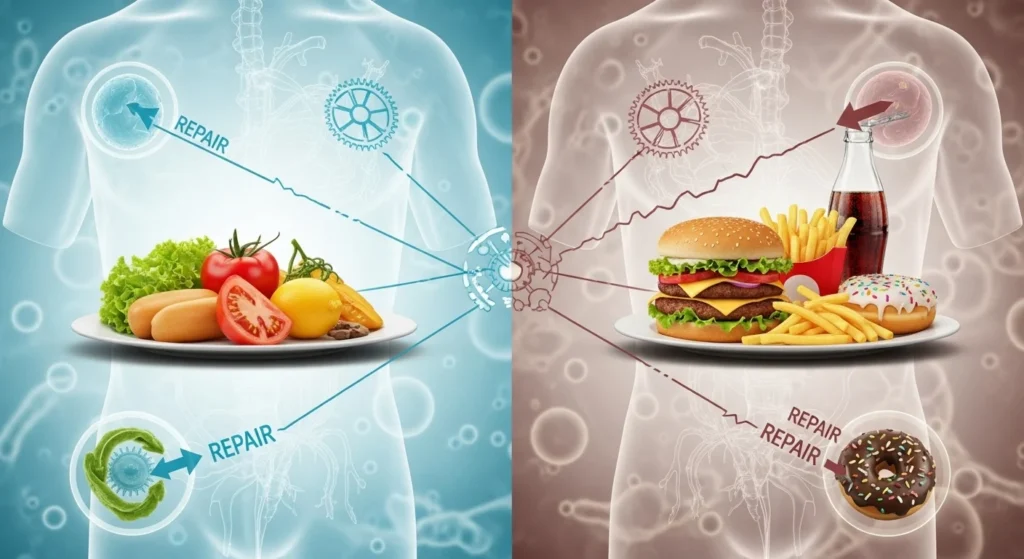
The human body is remarkably adaptive.
When nutrients run low, systems don’t fail immediately.
They adjust, borrow, and compensate.
Examples include:
- Pulling minerals from bones to stabilize blood levels
- Slowing metabolism to conserve energy
- Increasing inflammation to repair ongoing damage
- Altering hormone signals to maintain balance
These adaptations keep you functional—but not optimized.
This is why people often say, “I felt fine… until I didn’t.”
By the time symptoms appear, the body has often exhausted its backup systems.
The Long Nutrition Timeline Most People Never See
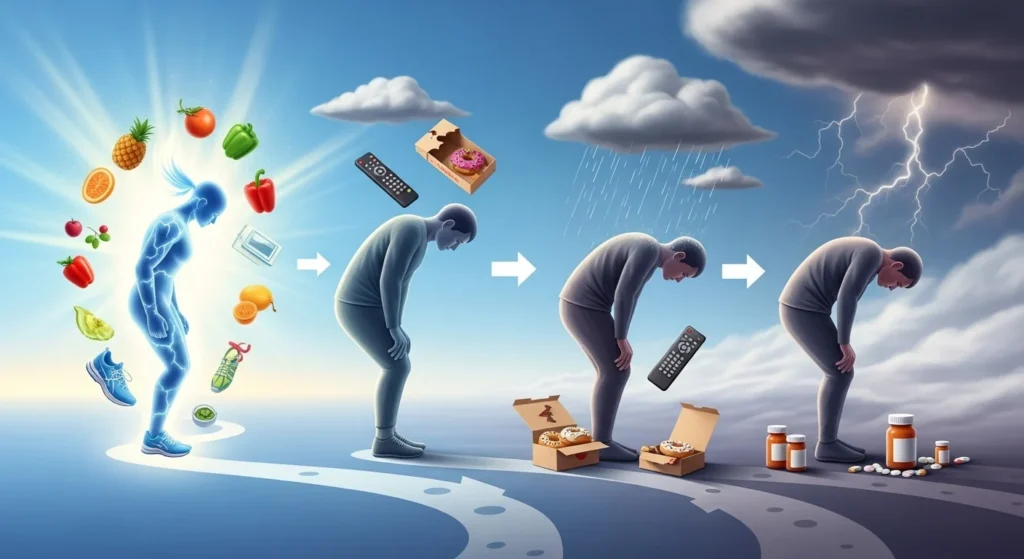
Health doesn’t decline suddenly.
It unfolds in stages.
Stage 1: Silent Depletion (Teens to 30s)
- Nutrient intake doesn’t meet long-term needs
- Stress, poor sleep, ultra-processed foods accumulate
- No symptoms yet
Stage 2: Compensation (30s to 40s)
- Energy dips become “normal”
- Recovery slows
- Digestion changes subtly
- Weight becomes harder to regulate
Stage 3: Early Signals (40s to 50s)
- Blood markers shift
- Inflammation rises
- Joint stiffness, brain fog, or fatigue appear
Stage 4: Diagnosis (Later Years)
- Symptoms finally cross a clinical threshold
Nutrition influences every stage, especially the first two—when nothing feels wrong.
Why Waiting for Symptoms Is a Losing Strategy
Symptoms are late indicators.
By the time they appear:
- Deficiencies are rarely isolated
- Metabolic flexibility is already reduced
- Repair systems are under strain
This is why reactive nutrition—changing diet only after diagnosis—often feels frustrating.
Prevention works better because it:
- Reduces the need for constant compensation
- Protects organs before damage accumulates
- Preserves resilience rather than trying to rebuild it
The Difference Between “Healthy Enough” and Truly Protective Nutrition
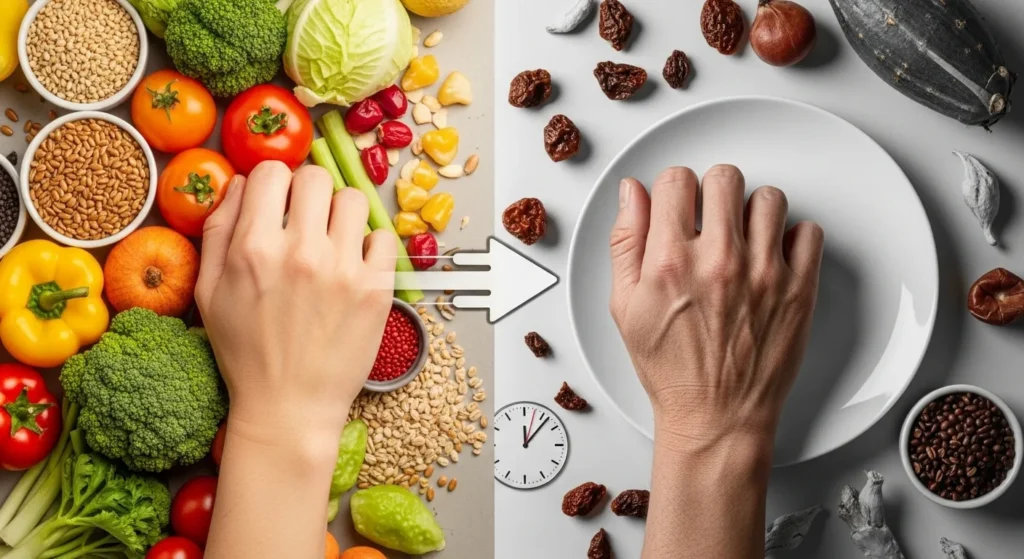
Many diets prevent hunger—but not degeneration.
Here’s the difference:
| Aspect | Reactive Nutrition | Preventive Nutrition |
|---|---|---|
| Focus | Fixing problems | Preserving function |
| Timing | After symptoms | Decades before |
| Goal | Manage disease | Maintain resilience |
| Nutrients | Macros only | Macros + micronutrients |
| Outcome | Slowing decline | Delaying decline |
Preventive nutrition isn’t extreme or restrictive.
It’s quietly consistent.
The Nutritional Habits That Shape Health Early
Small, repeated patterns matter more than short-term “clean eating.”
Key long-term protectors include:
- Adequate protein across adulthood (not just later years)
- Micronutrient diversity from whole foods
- Fiber intake that supports gut health
- Stable blood sugar patterns
- Anti-inflammatory fat balance
- Consistent meal timing
None of these produce dramatic short-term results.
That’s why they’re easy to ignore—and powerful over time.
Why Inflammation Is Often the First Warning Sign
Low-grade inflammation is one of the earliest consequences of poor nutrition.
It:
- Appears years before disease
- Feels like stiffness, fatigue, or poor recovery
- Accelerates tissue aging
Common nutritional contributors include:
- Excess refined carbohydrates
- Low omega-3 intake
- Micronutrient gaps
- Chronic under-eating or over-restriction
Reducing inflammation early protects:
- Joints
- Brain function
- Cardiovascular health
- Metabolic balance
Real-Life Example: Two Futures, One Difference
Consider two people with similar genetics.
Both feel healthy at 30.
Person A
- Eats enough but lacks variety
- Skips meals frequently
- Relies heavily on packaged foods
Person B
- Eats consistently
- Prioritizes whole foods
- Meets micronutrient needs
At 35, both feel fine.
At 45:
- Person A feels tired “for no reason”
- Person B recovers faster and feels stable
At 55:
- Person A is managing conditions
- Person B is maintaining function
The difference wasn’t willpower.
It was early nutritional support.
Common Nutrition Mistakes That Undermine Prevention
Many well-meaning habits quietly work against long-term health.
Avoid these traps:
- Chasing trends instead of consistency
- Over-prioritizing protein while neglecting micronutrients
- Chronic calorie restriction
- Ignoring fiber and gut health
- Treating supplements as substitutes for food
Prevention is boring by design—and effective because of it.
Actionable Steps You Can Start at Any Age
It’s never “too late”—but earlier always works better.
Start with:
- Eating enough protein at every meal
- Adding one new whole food weekly
- Prioritizing sleep-supported nutrition (magnesium-rich foods, steady meals)
- Supporting digestion before adding supplements
- Thinking in decades, not weeks
Small actions compound quietly.
Why This Matters Today (and Always Will)
Modern life accelerates depletion:
- Stress is higher
- Food is more processed
- Movement is lower
Prevention is no longer optional—it’s protective.
Nutrition is not about perfection.
It’s about reducing future vulnerability.
Key Takeaways
- Symptoms are late signals, not starting points
- Nutrition shapes health decades before diagnosis
- Prevention works best when nothing feels wrong
- Small, consistent habits outperform drastic changes
- Long-term resilience is built quietly
Frequently Asked Questions
1. Can nutrition really affect health before symptoms appear?
Yes. Most chronic conditions develop silently for years. Nutrition influences those early biological shifts.
2. Is preventive nutrition expensive or complicated?
No. It’s about consistency, food quality, and balance—not supplements or extreme diets.
3. If I feel fine, should I still care about nutrition?
Feeling fine often means your body is compensating well—for now.
4. Do genetics matter more than nutrition?
Genetics load the gun; nutrition often pulls—or prevents—the trigger.
5. Is it ever too late to benefit from better nutrition?
No. Improvements help at any stage, but earlier changes protect more function.
Conclusion: Health Is Built Long Before It’s Tested
By the time the body speaks loudly, it has already whispered for years.
Nutrition is how you listen early.
Prevention doesn’t feel dramatic.
It feels quiet, steady, and often invisible.
And that’s exactly why it works.
Disclaimer: This article is for educational purposes only and is not a substitute for personalized medical or nutritional advice.