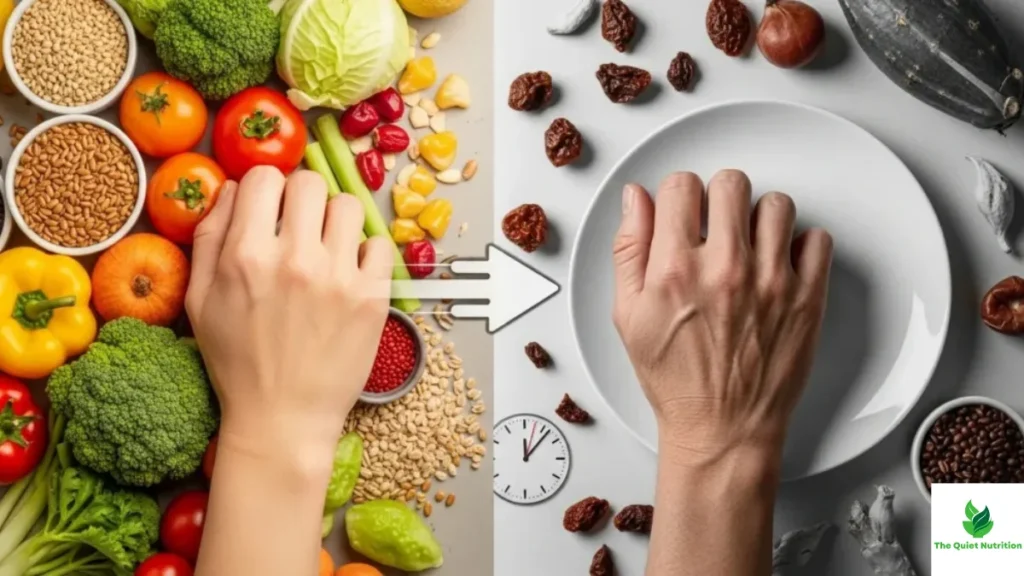
There’s an uncomfortable irony buried in a lot of extreme dieting culture: chronically undereating, in the name of staying young and lean, can actually push the body toward faster aging rather than slower aging. This isn’t about the well-researched benefits of moderate calorie balance or occasional fasting. It’s about something different — sustained nutritional stress, where the body senses a genuine shortage and quietly shifts into a survival-focused mode that deprioritizes long-term maintenance.
Understanding this mode explains a pattern many people have witnessed but couldn’t quite name: someone who diets aggressively for years often doesn’t end up looking more youthful. They often end up looking depleted — thinning hair, dull skin, low energy, a kind of tired fragility that reads as older, not younger.
The Body Doesn’t Know the Difference Between a Diet and a Famine
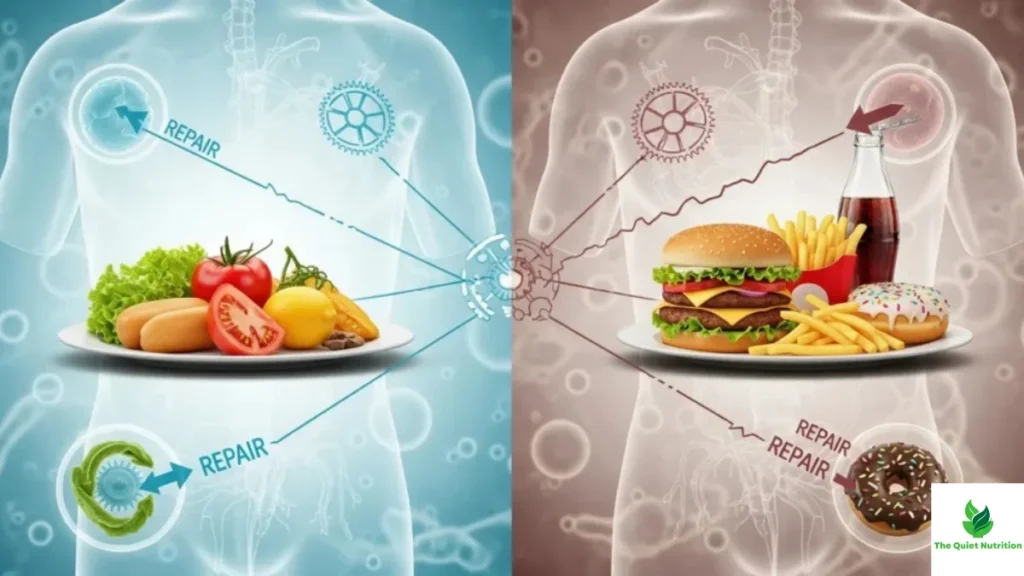
From a biological standpoint, your body can’t distinguish between intentional calorie restriction for aesthetic reasons and an actual food shortage. Both register as a resource crisis. And when the body perceives a sustained shortage, it activates a well-documented survival strategy: redirect limited resources away from long-term repair and toward immediate survival functions.
This concept has scientific grounding in what’s known as the disposable soma theory of aging, which proposes that organisms have a limited pool of energy to divide between maintenance and repair versus other functions. Under resource scarcity, evolutionary pressure favors keeping the organism alive in the short term, even if it means sacrificing long-term tissue upkeep. In modern humans, chronic undereating can trigger this same trade-off, even though actual starvation isn’t the goal.
Cortisol and the Stress-Aging Connection
Sustained nutritional stress doesn’t just affect resource allocation abstractly — it activates real physiological stress pathways, including elevated cortisol production. Chronically elevated cortisol has been linked in research to increased muscle breakdown, disrupted sleep, impaired immune function, and even accelerated cellular aging markers.
This creates a compounding problem. The body isn’t just under-resourced — it’s also actively stressed, and stress hormones themselves interfere with the very repair processes that already-limited nutrients would otherwise support. It’s a double hit: less raw material, and a hormonal environment that makes using what’s available less efficient.
What Gets Deprioritized First
When the body triages resources under nutritional stress, certain systems tend to lose out earlier than others. Reproductive function is a well-known example — chronic energy deficits are strongly linked to disrupted menstrual cycles, since reproduction is metabolically expensive and non-essential for immediate survival. Skin and hair, similarly, are often deprioritized, since they’re not critical to short-term survival, which is part of why chronic undereating frequently shows up as thinning hair, brittle nails, or dull, less resilient skin well before more critical systems are affected.
Muscle maintenance also suffers under sustained caloric insufficiency, particularly when protein intake is inadequate alongside it. The body begins breaking down its own muscle tissue for energy and amino acids, prioritizing survival over the maintenance of tissue that, from a purely survival standpoint, isn’t immediately essential.
The Difference Between Healthy Restriction and Nutritional Stress
This isn’t an argument against calorie awareness or structured eating patterns. Research on moderate, well-formulated caloric adjustment, including certain fasting approaches, has shown potential benefits for markers of metabolic health when done with adequate nutrient density and without chronic, severe restriction. The distinction lies in degree and duration. Brief, intentional, nutrient-adequate periods of reduced intake are different from prolonged, chronic undereating that leaves the body in a persistent state of perceived scarcity.
The warning signs of the latter tend to be fairly recognizable: persistent fatigue, irregular or absent menstrual cycles, hair thinning, frequent illness, slow wound healing, and a general sense of fragility rather than resilience. These are the body signaling that it has shifted into protective triage mode rather than thriving.
Getting Out of Survival Mode
Reversing this pattern generally isn’t about a dramatic intervention — it’s about restoring consistent, adequate nutritional intake, particularly protein and overall energy, so the body no longer perceives an ongoing shortage. Once the perceived scarcity resolves, resource allocation tends to shift back toward maintenance and repair functions over time, though this recovery isn’t always immediate and often benefits from professional guidance, especially after prolonged restriction.
The bigger takeaway is that under-eating isn’t a neutral or automatically protective strategy for aging well. The body’s survival programming is powerful, and when it’s activated for reasons other than genuine emergency, the very systems people hope to protect through restriction — youthful skin, steady energy, hormonal balance — are often the first ones sacrificed.
Sources
- National Institute on Aging – Nutrition for Older Adults
- National Library of Medicine, PubMed – Research on Aging and Cellular Stress
- World Health Organization – Malnutrition
- Harvard T.H. Chan School of Public Health – The Nutrition Source
- National Institutes of Health, Office of Dietary Supplements – Protein and Amino Acids

Aarti Solanki, B.Sc. (Food Science), is a food science writer passionate about making nutrition simple and evidence-based. She creates well-researched, easy-to-understand articles on healthy eating, food science, and nutrition, using information from trusted scientific and public health sources.







Pingback: Why Aging Starts Earlier Than Most People Think — The Quiet Changes That Begin Long Before You Feel “Old”