Walk down any produce aisle and you’ll see people fill their carts with apples, bananas, and berries — and walk right past the figs. It’s one of the biggest blind spots in modern nutrition. This small, honey-sweet fruit has been part of the human diet since before recorded history, yet it rarely makes anyone’s “superfood” list today.
That’s a mistake. Figs are quietly one of the most nutrient-dense fruits you can eat, and a growing body of research backs up benefits ranging from heart health to blood sugar control. Here’s why this overlooked fruit deserves a second look — and a spot in your grocery cart.
What Makes Figs Nutritionally Unique
Figs, scientifically known as Ficus carica, belong to the mulberry family and have been cultivated since ancient times, with historical roots tracing back to the Mediterranean and Southwest Asia. According to a comprehensive review published by the National Institutes of Health’s National Center for Biotechnology Information, figs are an excellent source of bioactive compounds — vitamins, minerals, organic acids, and polyphenols — yet remain underappreciated compared to more popular fruits.
Just six dried figs deliver a meaningful nutritional punch: roughly 125 calories along with notable amounts of magnesium, potassium, calcium, and iron, according to the American Heart Association. Fresh figs, meanwhile, offer the same nutrients in a lower-calorie, lower-sugar package.
1. A Natural Ally for Heart Health
Figs are rich in soluble fiber, which acts like a sponge in the digestive tract, binding to cholesterol and helping remove it from the body. This is part of why the American Heart Association highlights figs as a natural fit for the heart-healthy Mediterranean diet, a pattern consistently linked to lower cardiovascular risk.
Early research has also explored more direct effects. Animal studies have found that fig extract can help lower blood pressure, and researchers continue to investigate how the fruit’s fiber and potassium content may support healthy blood pressure levels in people.
2. Surprising Support for Blood Sugar Balance
It seems counterintuitive for a naturally sweet fruit, but figs may actually help regulate blood sugar rather than spike it. A 2019 study found that beverages containing high doses of fig fruit extract produced a lower glycemic response than those without it, suggesting a more favorable effect on blood sugar levels.
Separately, a 2020 study in mice with obesity found that fig extract improved glucose tolerance, insulin sensitivity, and fasting blood glucose — effects researchers linked to the fruit’s high concentration of abscisic acid, a plant compound involved in regulating sugar metabolism. That said, dried figs are more concentrated in natural sugars than fresh figs, so portion control still matters for anyone managing blood sugar.
3. A Genuine Digestive Powerhouse
Figs have been used as a traditional remedy for constipation for centuries, and modern science confirms the folk wisdom. Their high fiber and water content add bulk and moisture to stool, promoting regularity, while also acting as a prebiotic — feeding the beneficial bacteria in your gut microbiome.
Fiber and potassium, notably, are two of the nutrients the U.S. Dietary Guidelines specifically flag as under-consumed by most Americans, making figs a simple, tasty way to close that gap.
4. Bone and Mineral Support Most People Miss
Because figs deliver calcium, potassium, and magnesium in one package, they support bone density and structural strength in ways many fruits can’t match. Copper — one of the minerals figs are richest in — plays a critical role in forming collagen and elastin, the proteins responsible for skin firmness, joint integrity, and connective tissue repair, according to the NIH Office of Dietary Supplements.
5. Antioxidant Protection Against Everyday Cell Damage
Figs contain carotenoids, anthocyanins, and flavonoids — plant compounds known for neutralizing free radicals and reducing oxidative stress in the body. Researchers have studied their potential role in supporting immune function and protecting cells from the kind of damage linked to premature aging and chronic disease. Fig leaves in particular have shown promising anti-cancer activity in laboratory (test-tube) studies, though researchers caution that far more human trials are needed before drawing firm conclusions.
Why Figs Get Overlooked
Part of the problem is perception. Fresh figs have a short season and a delicate texture that doesn’t travel or store as well as apples or bananas, so many people only encounter them dried, sweetened, or hidden inside cookies — forms that mute their nutritional profile with added sugar. The 2023 NIH-published review on fig phytochemistry notes plainly that figs remain understudied and undervalued relative to their nutrient density, largely because human clinical research on the fruit is still catching up to what’s already known about its chemistry.
How to Actually Eat More Figs
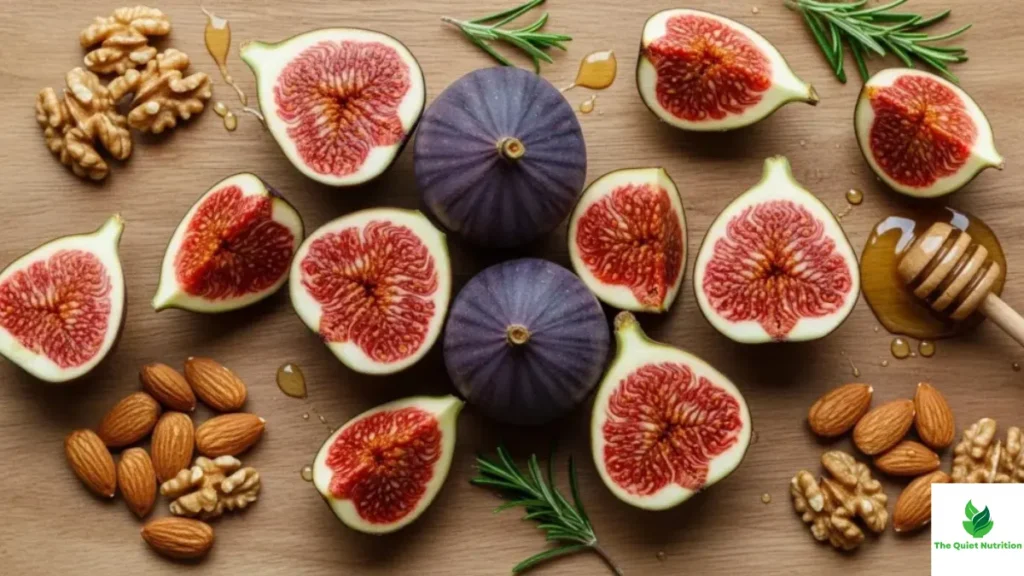
- Fresh, halved, with a little protein — a fig sliced in half with a walnut on top is a nutritionist-recommended snack that pairs fiber with healthy fat.
- Tossed into salads — whole or diced figs add natural sweetness to hearty grain or green salads.
- A few dried figs as a portion-controlled snack — remember, six dried figs pack meaningful nutrition, so there’s no need to overdo it.
- Blended into smoothies — fresh or rehydrated dried figs add natural sweetness without refined sugar.
The Bottom Line
Figs aren’t a miracle cure, and researchers are careful to note that much of the human clinical evidence is still developing. But between their fiber, minerals, and antioxidant compounds, figs offer a nutritional profile that rivals — and in some ways exceeds — fruits that get far more attention. The next time you’re at the market, it might be worth reaching for the fruit almost everyone else walks past.
Sources
- American Heart Association — “Are figs good for you? Get the whole sweet story”
- National Institutes of Health / PMC — “Phytochemical Composition and Health Benefits of Figs (Fresh and Dried): A Review of Literature from 2000 to 2022”
- NIH Office of Dietary Supplements — Copper Fact Sheet for Health Professionals
- USDA FoodData Central
- Healthline — “Figs: Nutrition, Benefits, and Downsides” (medically reviewed)
- Harvard T.H. Chan School of Public Health — The Nutrition Source
Disclaimer: This article is for informational purposes and is not a substitute for medical advice. Consult a healthcare provider before making significant dietary changes, especially if you have diabetes or are managing blood sugar levels.

Aarti Solanki, B.Sc. (Food Science), is a food science writer passionate about making nutrition simple and evidence-based. She creates well-researched, easy-to-understand articles on healthy eating, food science, and nutrition, using information from trusted scientific and public health sources.