
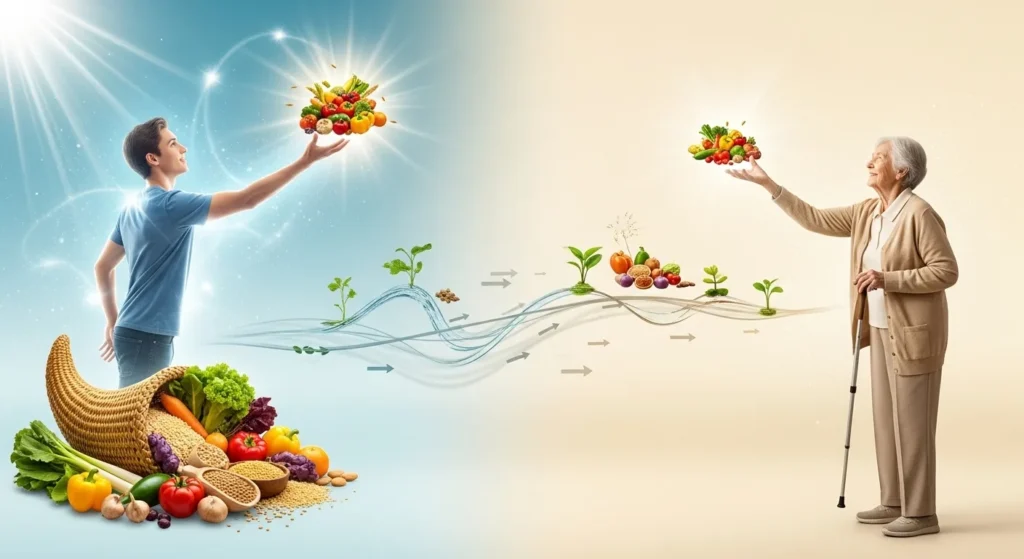
Two people can be the same age on paper.
Yet one feels energetic, resilient, and sharp.
The other feels stiff, tired, and worn down.
We often explain this difference with genetics or luck.
But biology tells a quieter, more powerful story.
The pace of aging is not fixed by time alone. It’s strongly shaped by nutrition—every single day.
Not in dramatic, overnight ways.
But in slow, cumulative shifts happening at the cellular level.
Aging Isn’t Just About Years — It’s About Biological Wear
Chronological age is just a number.
Biological age reflects:
- How efficiently cells function
- How well tissues repair themselves
- How much damage accumulates over time
Nutrition plays a central role in this process.
According to public health and aging research referenced by organizations such as the World Health Organization, lifestyle factors—especially diet—are major drivers of how quickly age-related decline appears.
In short:
You don’t just age because time passes.
You age because cells accumulate damage faster than they can repair it.
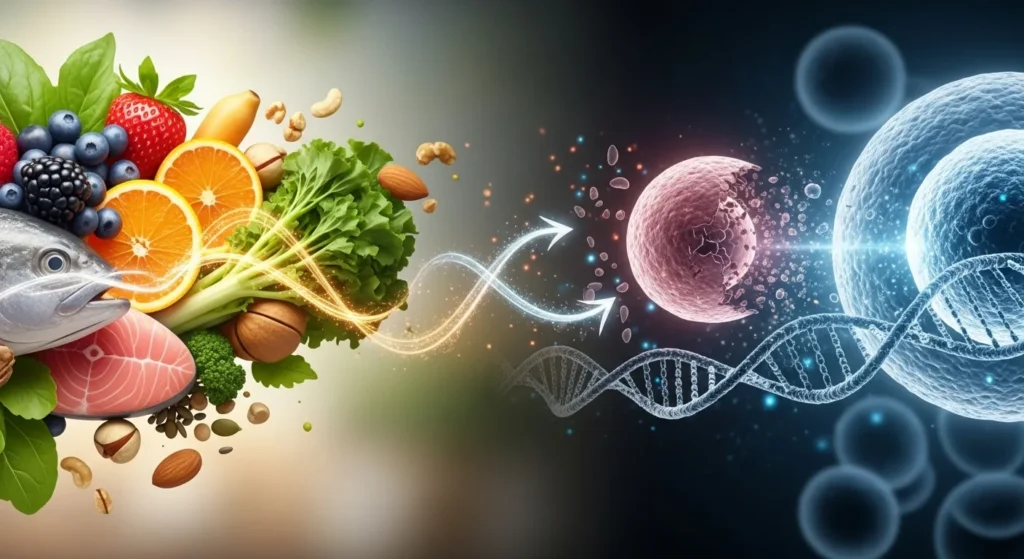
How Nutrition Influences the Pace of Aging at the Cellular Level
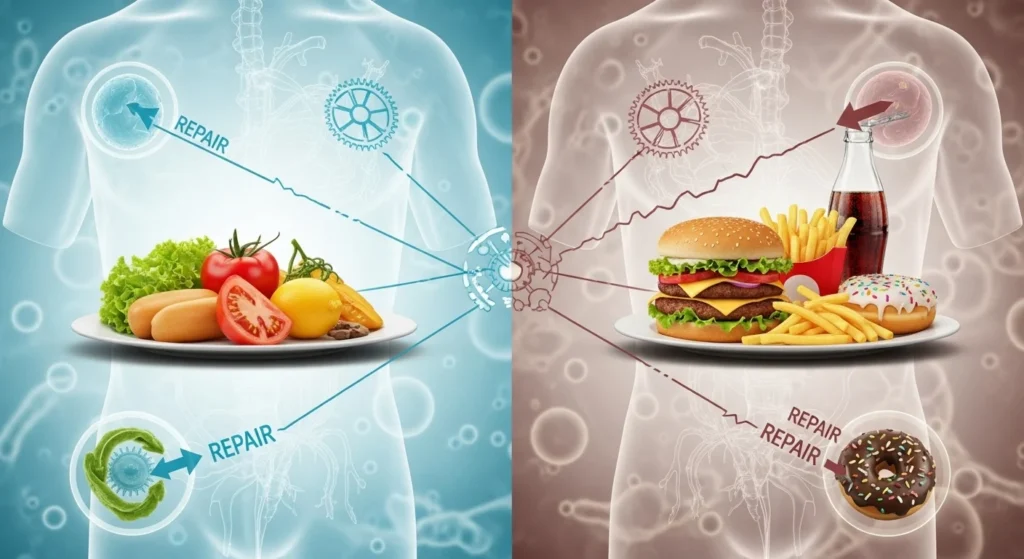
Every cell in your body constantly balances two forces:
- Damage
- Repair
Nutrition affects both sides.
Food choices influence:
- Oxidative stress
- Inflammation
- Mitochondrial efficiency
- DNA repair mechanisms
When nutrition supports repair, aging slows.
When nutrition increases damage, aging accelerates.
This process is gradual—but relentless.
Oxidative Stress: One of Aging’s Main Accelerators
Oxidative stress occurs when unstable molecules (free radicals) damage cells.
This damage:
- Alters proteins
- Disrupts membranes
- Impairs DNA
Over time, it contributes to:
- Wrinkles
- Stiff joints
- Cognitive decline
- Reduced energy
Nutrition affects oxidative stress directly.
Diets low in antioxidants and micronutrients allow damage to accumulate faster.
Inflammation: The Silent Driver of Faster Aging
Chronic low-grade inflammation is often called “inflammaging.”
Unlike acute inflammation, this doesn’t feel dramatic.
It quietly:
- Damages tissues
- Impairs insulin sensitivity
- Accelerates cellular aging
Highly processed diets, excess sugars, and nutrient-poor foods increase inflammatory signals.
Balanced, nutrient-dense eating helps keep inflammation in check—slowing biological wear.
Real-Life Example: Same Calories, Different Aging Outcomes
Consider two people eating the same number of calories.
Person A eats:
- Whole foods
- Adequate protein
- Fiber-rich meals
Person B eats:
- Ultra-processed foods
- Refined carbohydrates
- Low micronutrient density
Calories are equal.
Aging speed is not.
Person B’s cells experience more stress, more inflammation, and less repair support.
Nutrition quality matters more than numbers.
The Role of Blood Sugar Stability in Aging
Repeated blood sugar spikes accelerate aging through:
- Glycation (sugar binding to proteins)
- Increased oxidative stress
- Mitochondrial strain
These processes damage:
- Skin elasticity
- Blood vessels
- Nerves
- Brain tissue
Stable blood sugar—supported by balanced meals—reduces this damage over time.
This is why metabolic health and aging are deeply connected.
Protein, Muscle, and the Pace of Aging
Muscle isn’t just about strength.
It’s metabolically protective.
Adequate protein intake supports:
- Muscle maintenance
- Insulin sensitivity
- Functional independence
Loss of muscle accelerates aging by:
- Reducing metabolic efficiency
- Increasing frailty
- Lowering resilience
Nutrition that supports muscle helps slow age-related decline.
Micronutrients: Small Deficiencies, Big Aging Effects
Micronutrients don’t provide calories—but they run the system.
Key nutrients involved in aging include:
- B vitamins → DNA repair and energy metabolism
- Magnesium → cellular stability
- Zinc → immune function and repair
- Omega-3 fats → inflammation control
Chronic low intake doesn’t cause immediate symptoms—but it quietly speeds aging.
Ultra-Processed Diets and Accelerated Aging
Ultra-processed foods often:
- Lack protective nutrients
- Increase oxidative load
- Disrupt gut health
This combination:
- Raises inflammation
- Impairs repair mechanisms
- Increases biological stress
Over time, the body appears to “age faster,” even if weight remains stable.
Aging Speed: Nutrition vs Genetics
Genetics matter—but not as much as many people think.
Here’s a simplified comparison:
| Genetics | Nutrition |
|---|---|
| Sets baseline risk | Modifies expression |
| Fixed | Adjustable |
| Long-term influence | Daily influence |
| Unchangeable | Highly flexible |
Nutrition doesn’t erase genetics—but it strongly influences how genes behave.
Common Nutrition Mistakes That Speed Up Aging
Many habits seem harmless but add up.
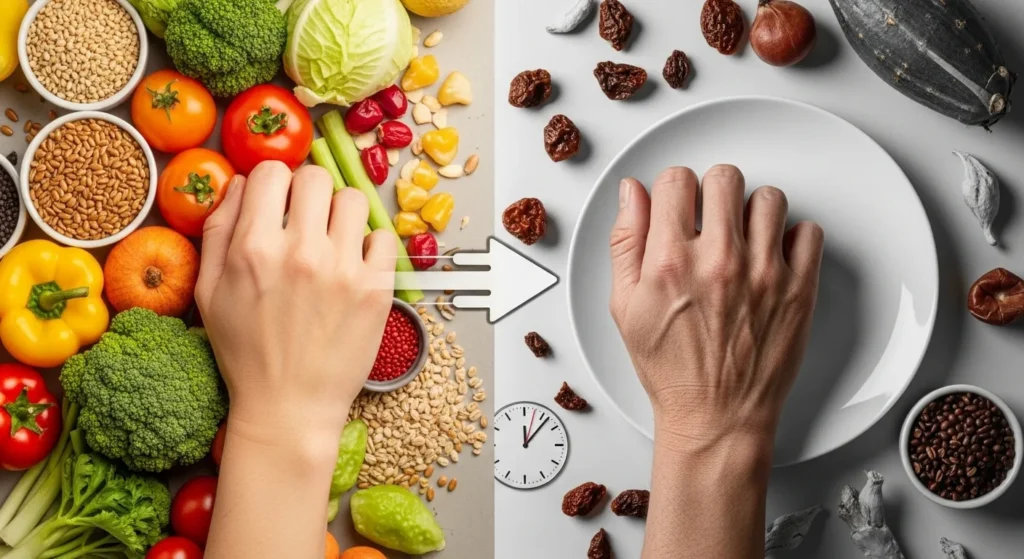
❌ Chronic Undereating
Reduces repair capacity.
❌ Excessive Sugar Intake
Accelerates glycation damage.
❌ Low Protein Intake
Speeds muscle loss.
❌ Nutrient-Poor Convenience Diets
Increase cellular stress.
None of these age you overnight—but together, they accelerate decline.
How to Use Nutrition to Slow the Aging Process
You don’t need extreme diets or supplements.
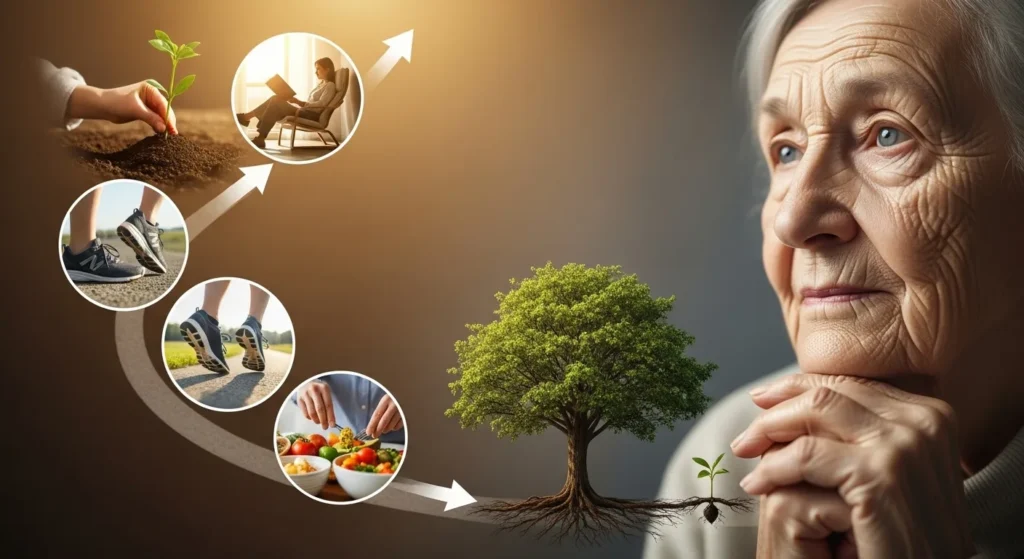
You need consistency.
Practical, Actionable Steps:
- Prioritize whole, minimally processed foods
- Include protein at each meal
- Balance carbohydrates with fiber and fats
- Eat regularly to support metabolic stability
- Focus on nourishment, not restriction
These habits support repair and resilience over time.
Hidden Tip: Recovery Speed Is a Sign of Biological Age
One of the best markers of aging isn’t appearance—it’s recovery.
How quickly do you:
- Bounce back from fatigue?
- Recover after stress?
- Regain energy after illness?
Nutrition strongly influences recovery capacity.
Faster recovery often means slower biological aging.
Why This Matters Today
Modern life exposes the body to:
- Chronic stress
- Poor sleep
- Environmental strain
Nutrition can either:
- Add to the burden
or - Buffer against it
When food supports repair instead of stress, aging becomes more gradual—and more graceful.
Key Takeaways
- Aging speed is influenced heavily by nutrition
- Cellular damage and repair are nutrition-dependent
- Inflammation and blood sugar instability accelerate aging
- Nutrient quality matters more than calorie count
- Consistent nourishment supports long-term vitality
Frequently Asked Questions (FAQs)
1. Can nutrition really slow aging?
It can slow biological aging by reducing damage and supporting repair processes.
2. Is aging mainly genetic?
Genetics play a role, but lifestyle—especially diet—strongly influences aging speed.
3. Do antioxidants prevent aging?
They help reduce oxidative stress, which contributes to aging, but work best as part of a balanced diet.
4. Is calorie restriction necessary to slow aging?
Extreme restriction isn’t required; nutrient adequacy and balance matter more.
5. How soon can better nutrition affect aging markers?
Some improvements, like energy and recovery, appear within weeks; deeper effects accumulate over years.
Conclusion: Aging Is a Process You Influence Daily
Aging isn’t just something that happens to you.
It’s something your body negotiates every day—through nutrition, repair, and resilience.
When food supports those systems, aging slows naturally.
Not dramatically.
Not magically.
But meaningfully.
Disclaimer: This article is for general educational purposes only and does not replace personalized nutrition or medical advice.


Pingback: Why Aging Reflects Years of Small Habits (Not Sudden Decline or Bad Luck)