The Frustrating Truth: Nutrition Doesn’t Work Like a Switch
Most people expect nutrition to work instantly.
Eat healthier this week…
Feel amazing next week.
But then reality hits:
- energy is still inconsistent
- cravings still show up
- digestion feels unpredictable
- progress feels slow
And the thought creeps in:
“Is this even working?”
Here’s the reassuring truth:
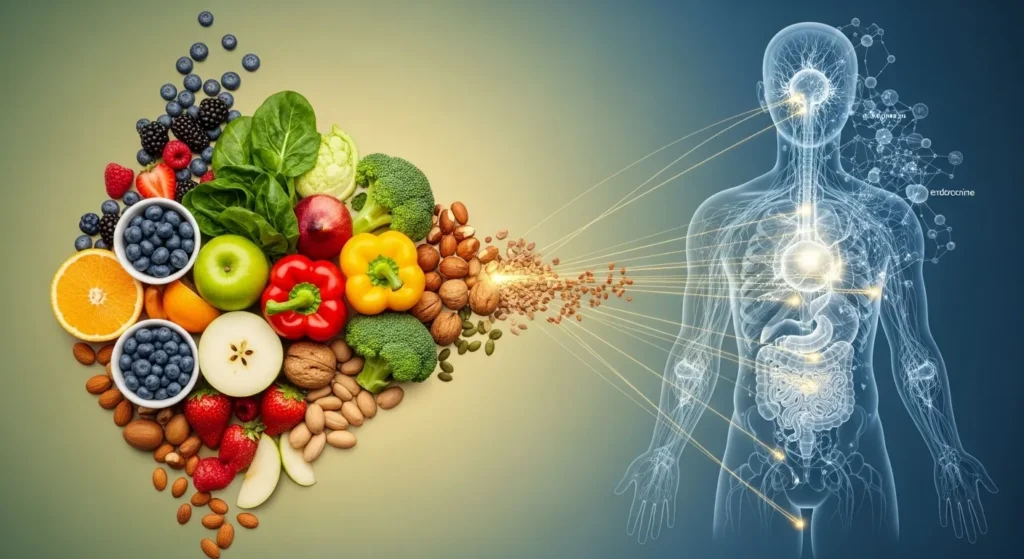
The body adjusts slowly to nutritional changes because biology runs on repair timelines, not motivation timelines.
Nutrition is not an immediate transformation.
It’s a gradual rebuilding process.
And understanding that timeline is one of the most freeing things in health.
Why the Body Adapts Slowly on Purpose
Your body isn’t designed for rapid change.
Fast internal shifts are dangerous.
So the body evolves to adjust gradually:
- conserving energy when food changes
- protecting stability when intake shifts
- remodeling tissues slowly over time
Think of nutrition like planting, not flipping a light switch.
The body needs repetition.
Consistency is the signal that tells your system:
“This change is real. Adapt safely.”
Nutritional Change Is a Pattern Signal, Not a Single Event
One healthy meal is helpful…
But it doesn’t reshape biology.
The body responds to what happens repeatedly:
- daily protein intake
- consistent fiber exposure
- steady hydration
- long-term micronutrient balance
This is why nutrition works best when it becomes boring and regular.
Your body learns through accumulation.
Not intensity.
Real-Life Example: “I Started Eating Better… Why Am I Still Tired?”
This is one of the most common experiences.
Someone improves diet quality:
- more whole foods
- fewer ultra-processed snacks
- better meal timing
And still feels off for weeks.
That doesn’t mean nutrition failed.
It means the body is catching up.
If your system has spent years in:
- nutrient depletion
- blood sugar swings
- chronic stress eating
- irregular meals
Recovery doesn’t happen instantly.
Repair is slow.
But it is happening.
Hormones Take Time to Recalibrate
Food influences hormones deeply.
But hormonal systems don’t reset overnight.
When nutrition improves, hormones adjust gradually:
- insulin sensitivity improves over weeks
- hunger hormones stabilize with consistency
- cortisol rhythm shifts slowly with regular meals
- thyroid signaling responds over time
That’s why early changes often feel messy.
Your body is re-learning balance.
The Gut Needs Weeks, Not Days
Gut health is one of the slowest systems to adjust.
Your microbiome changes based on repeated intake.
Adding fiber for two days won’t fix digestion.
But eating consistently supportive foods over weeks can shift:
- bloating patterns
- bowel regularity
- hunger signaling
- inflammation levels
Gut bacteria adapt like an ecosystem.
And ecosystems don’t rebuild overnight.
Comparison Table: Fast Expectations vs Real Body Timelines
| Body System | What People Expect | What Actually Happens |
|---|---|---|
| Energy levels | Better in days | Stabilizes over weeks |
| Digestion | Instant relief | Microbiome shifts take weeks |
| Muscle building | Visible quickly | Requires months of protein + training |
| Nutrient repletion | Immediate results | Stores refill slowly over time |
| Appetite control | Cravings vanish fast | Hormones recalibrate gradually |
Nutrient Stores Rebuild Slowly
Some nutrients are stored like savings accounts.
If depleted, replenishment takes time.
Examples:
- iron stores may take months to rebuild
- vitamin D levels rise gradually
- B12 deficiency correction can be slow
- muscle protein rebuilding is long-term
This is why “quick fixes” fail.
The body is restoring quietly.
Metabolism Doesn’t Trust Sudden Changes
When eating habits shift suddenly, metabolism responds cautiously.
The body asks:
- Is this temporary?
- Is food scarce now?
- Should we conserve energy?
That’s why consistent nutrition is key.
Metabolic adaptation requires steady input.
The body adjusts slowly because it wants proof the pattern will last.
Hidden Tip: Your Body Prioritizes Repair Internally First
Many people don’t feel improvement immediately because early repair is invisible.
The body fixes essentials first:
- blood stability
- immune function
- organ nutrient access
- hormone production
Only later do you see external changes:
- skin improvement
- hair strength
- body composition shifts
- stable energy
Progress often starts beneath the surface.
Common Mistakes That Interrupt Slow Adjustment
Mistakes to avoid:
- changing plans every week
- expecting instant transformation
- under-eating while trying to “eat clean”
- removing too many foods at once
- relying on motivation rather than routine
- quitting before adaptation completes
The body needs repetition to trust new nutrition.
Actionable Steps to Support Gradual Nutritional Adaptation
1. Commit to Consistency for 6–8 Weeks
Short trials rarely show full benefit.
Give your biology time.
2. Focus on Foundational Habits
- protein at meals
- fiber daily
- hydration
- consistent meal timing
These create stability faster than trendy supplements.
3. Avoid Extreme Swings
Gentle changes stick.
Sudden restriction backfires.
4. Track Subtle Wins
Look for:
- fewer crashes
- better sleep onset
- improved digestion
- more stable hunger
These are early signs of adjustment.
5. Think Like the Body Thinks: Slowly
Health is cumulative.
The body adapts through rhythm.
Not urgency.
Why This Matters Today (Evergreen Truth)
Modern culture pushes speed:
- instant results
- fast detoxes
- dramatic transformations
But physiology moves differently.
Your body is not a machine that upgrades overnight.
It is a living system that rebuilds layer by layer.
The slow adjustment is not a flaw.
It’s protection.
And understanding that makes consistency easier.
Key Takeaways
- The body adjusts slowly to nutritional changes to protect stability
- Hormones, gut microbes, and metabolism need weeks or months to recalibrate
- Nutrient stores refill gradually, not instantly
- Early progress is often invisible before it becomes obvious
- Consistency beats intensity in long-term nutrition success
FAQ: Nutritional Changes and Adaptation
1. How long does it take for healthy eating to show results?
Many people notice subtle improvements in 2–4 weeks, with deeper changes over months.
2. Why do I feel worse before feeling better?
Transitions can temporarily disrupt digestion and hunger hormones as the body recalibrates.
3. Do supplements speed up adaptation?
Sometimes, but foundations like protein, fiber, and meal consistency matter far more.
4. Why does metabolism slow during diet changes?
The body reacts cautiously to sudden shifts, conserving energy until patterns stabilize.
5. What’s the best way to make nutrition changes stick?
Small, repeatable habits sustained long enough for the body to trust the new pattern.
Conclusion: Slow Change Is the Real Change
The body doesn’t rush.
It rebuilds.
Quietly. Gradually. Reliably.
So if nutrition feels slow…
That’s not failure.
That’s biology doing its job properly.
Because real health isn’t created in a weekend reset.
It’s created through steady signals repeated over time.
The body adjusts slowly…
But when it adjusts, it lasts.