You’re fine one moment.
Focused. Calm. Clear.
Then—almost without warning—your thoughts slow down.
Irritation creeps in.
Simple tasks feel heavier than they should.
Most people blame:
- Stress
- Willpower
- Motivation
But what’s really happening often has nothing to do with effort.
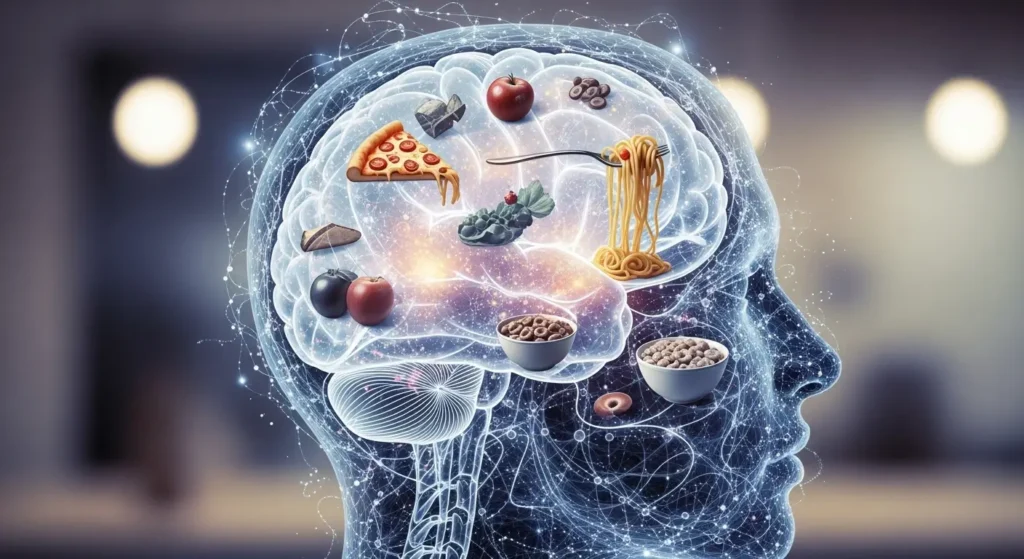
Your brain is reacting to unstable fuel availability—and it reacts faster than any other organ in your body.
Understanding why the brain is so sensitive to fuel stability explains everything from brain fog to emotional crashes.
The Brain’s Energy Problem (That No One Talks About)
The brain is an energy-intensive organ with a design flaw.
It needs a constant, uninterrupted fuel supply, but it:
- Stores almost no energy
- Cannot tolerate large fluctuations
- Prioritizes survival over performance
According to widely cited neuroscience data referenced in public health education supported by the World Health Organization, the brain uses about 20% of the body’s total energy, despite being only ~2% of body weight.
That energy demand never turns off.
Not during sleep.
Not during rest.
Not during “easy days.”
What “Fuel Stability” Actually Means for the Brain
Fuel stability isn’t about eating more.
It’s about predictable access to usable energy.
For the brain, stability depends on:
- Consistent blood glucose delivery
- Hormonal regulation (especially insulin)
- Adequate micronutrients for metabolism
- Minimal extreme spikes and crashes
The brain doesn’t handle volatility well.
When energy arrives in bursts instead of steady flow, performance drops fast.
Why the Brain Can’t “Wait It Out” Like Muscles Can
Muscles have backup systems.
They store:
- Glycogen
- Fat
- Can switch fuel sources flexibly
The brain is different.
It:
- Depends primarily on glucose
- Has limited alternative fuel capacity
- Can’t shut down non-essential functions
This is why mental fatigue appears before physical fatigue.
The brain sounds the alarm early.
The Moment Fuel Becomes Unstable, the Brain Changes Mode
When fuel drops or fluctuates sharply, the brain shifts priorities.
It moves from:
- Thinking mode
to - Survival mode
This shift causes:
- Reduced focus
- Heightened emotional reactivity
- Poor impulse control
- Strong cravings
These are adaptive responses, not failures.
Your brain is trying to protect itself.
Real-Life Example: The Sudden Mood Shift
You haven’t eaten for hours.
At first, you feel fine.
Then suddenly:
- Small problems feel overwhelming
- You snap more easily
- Decision-making feels exhausting
This isn’t personality.
It’s your brain responding to fuel uncertainty.
Blood Sugar Swings: The Fastest Way to Destabilize Brain Energy
Fuel instability most commonly comes from rapid blood sugar changes.
Here’s the pattern:
- Fast-digesting carbs spike glucose
- Insulin surges
- Glucose drops quickly
- Brain experiences temporary energy shortage
The result:
- Fog
- Irritability
- Urgent hunger
- Reduced cognitive control
The crash feels emotional—but it’s metabolic.
Why the Brain Is More Sensitive Than the Rest of the Body
The brain:
- Monitors blood glucose continuously
- Has neurons that detect drops within minutes
- Triggers stress hormones quickly
This sensitivity evolved to prevent starvation-related damage.
But in modern food environments, it creates frequent false alarms.
Fuel Stability vs Fuel Quantity
This is where many people get confused.
Eating enough calories does not guarantee brain energy stability.
Here’s the difference:
| Fuel Quantity | Fuel Stability |
|---|---|
| Total calories | Consistent delivery |
| One large meal | Even distribution |
| Energy spikes | Energy continuity |
| Short-term fullness | Long-term clarity |
The brain values continuity, not abundance.
Nutrients That Help Stabilize Brain Fuel
Stable energy requires more than carbohydrates.
Key stabilizers include:
- Protein → slows glucose absorption
- Fiber → smooths digestion
- Healthy fats → extend energy availability
- B vitamins → support glucose metabolism
- Magnesium → neuronal signaling
When these are missing, energy becomes erratic.
Why Skipping Meals Hits the Brain First
Many people skip meals to stay productive.
Ironically, this backfires cognitively.
Skipping fuel:
- Reduces glucose availability
- Triggers stress hormones
- Lowers working memory capacity
The brain becomes reactive instead of analytical.
You may “push through”—but performance quietly drops.
Common Mistakes That Destabilize Brain Fuel
Even health-conscious habits can cause problems.
❌ Relying on Coffee Instead of Food
Stimulation masks low energy—it doesn’t fix it.
❌ Large, Carb-Heavy Meals
They increase the spike-and-crash cycle.
❌ Extreme Restriction
The brain perceives unpredictability as threat.
❌ Ignoring Micronutrients
Metabolism needs cofactors—not just calories.
How to Support Brain Fuel Stability (Practically)
You don’t need rigid rules.
You need consistency.
Actionable Steps:
- Eat at regular intervals
- Pair carbs with protein or fiber
- Avoid long fasts if mental work is required
- Notice mood and focus after meals
- Adjust for clarity, not trends
Small changes often produce noticeable mental relief.
Hidden Tip: Fuel Stability Improves Emotional Control
Stable brain energy doesn’t just sharpen thinking.
It improves:
- Patience
- Stress tolerance
- Emotional regulation
Many “emotional” reactions are actually energy-defensive responses.
When fuel is steady, emotions feel manageable again.
Why This Matters Today
Modern life demands constant mental output:
- Screens
- Decisions
- Multitasking
But modern diets often create:
- Energy volatility
- Long gaps
- Ultra-processed spikes
This mismatch explains widespread mental fatigue.
Fuel stability reconnects nutrition with cognitive resilience.
Key Takeaways
- The brain requires constant, stable energy
- It stores very little fuel and reacts quickly to drops
- Blood sugar swings destabilize mental performance
- Fuel stability matters more than total calories
- Many emotional and cognitive crashes are energy-related
Frequently Asked Questions (FAQs)
1. Why does my brain feel tired before my body?
Because the brain has higher continuous energy demands and less storage.
2. Are energy crashes psychological?
They feel emotional, but they’re often metabolic in origin.
3. Do all carbs destabilize brain energy?
No—fiber-rich, balanced meals support stability better than refined carbs alone.
4. Is caffeine a substitute for stable fuel?
No. It stimulates alertness but doesn’t supply energy.
5. How fast can fuel stability improve mental clarity?
Some people notice changes within days of more consistent, balanced eating.
Conclusion: Your Brain Craves Stability, Not Extremes
The brain isn’t asking for perfection.
It’s asking for predictability.
When fuel arrives steadily, mental clarity feels natural.
Mood steadies.
Focus returns.
Energy crashes stop feeling mysterious—and start making sense.
Disclaimer: This article is for general educational purposes only and does not replace personalized nutrition or medical advice.



Pingback: Why Brain Fog Is Often a Fuel Issue, Not a Focus Problem (And How to Fix the Real Cause)
Pingback: How Blood Sugar Stability Quietly Determines Your Mental Clarity, Focus, and Mood
Pingback: Why Your Brain Hates Sugar Spikes — And Craves Stability Instead
Pingback: Why Stable Meals Support Decision-Making — The Hidden Nutrition Link to a Clearer Mind
Pingback: Why the Brain Responds Poorly to Extreme Diets — The Hidden Mental Cost of Restriction
Pingback: Why the Brain Is So Sensitive to Nutritional Stress — The Hidden Reason Food Impacts Mood, Focus, and Energy
Pingback: The Surprising Brain Benefits of Blueberries (What These Tiny Berries May Be Doing Inside Your Mind)