Extreme diets are often sold as a fast track to discipline and clarity. The research tells a very different story. Decades of scientific evidence show that severely restricting food doesn’t sharpen the mind — it destabilizes it, sometimes dramatically. Here’s what actually happens inside your brain when it doesn’t get enough fuel, and why that matters far beyond willpower.
Your Brain Is an Extremely Hungry Organ
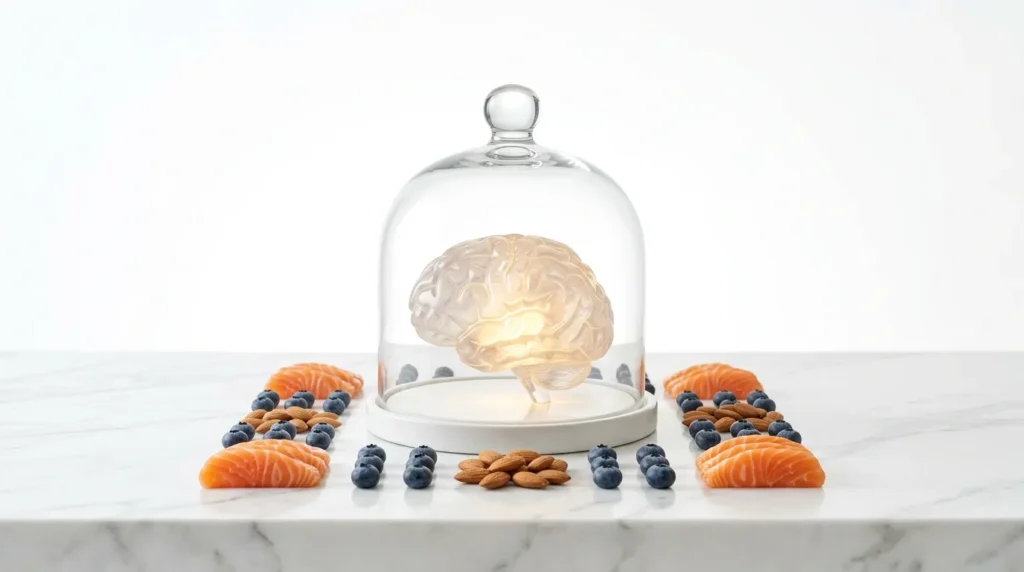
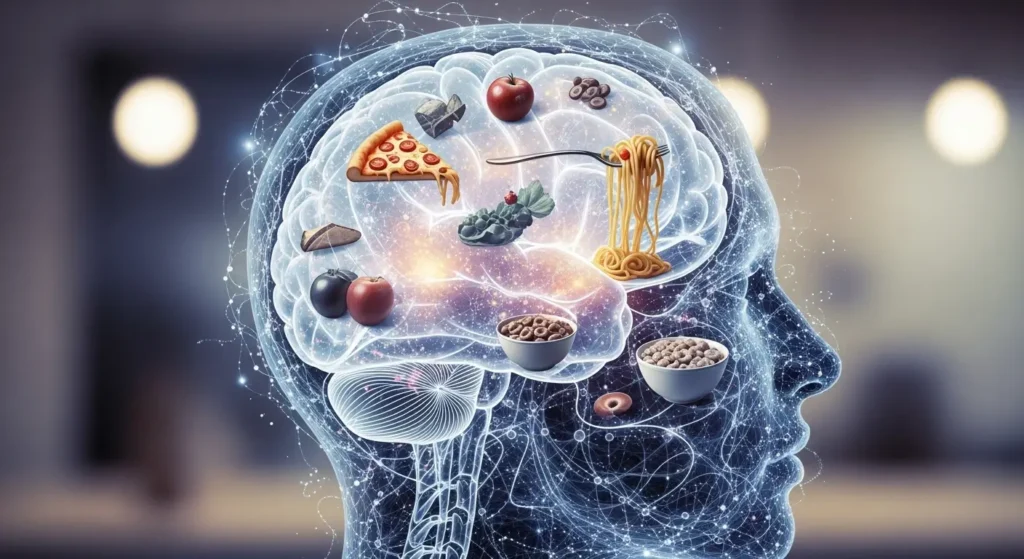
The brain runs at an unusually high metabolic rate, consuming a substantial share of the body’s total energy and nutrient intake even though it’s a small fraction of total body weight. When food intake drops sharply, that energy supply doesn’t stay protected — it gets cut along with everything else. Without steady nutrition to support normal brain transmission and function, the brain becomes measurably more vulnerable, and research has found that a poorly fed brain simply does not function the way a well-nourished one does.
The Landmark Study That Revealed This Clearly
Much of what scientists know about extreme restriction and the mind comes from a wartime study known as the Minnesota Starvation Experiment, which placed healthy, psychologically stable men on a prolonged period of significant calorie reduction and closely tracked what happened to their minds and bodies. The results were striking: participants developed profound and wide-ranging effects on mood and cognitive functioning, even though every one of them had entered the study in good mental health.
Restriction Doesn’t Sharpen Focus — It Fragments It
One of the clearest cognitive effects to emerge was difficulty thinking clearly and concentrating. Participants became hyper-focused on and preoccupied with food itself — thinking about it, talking about it, and even dreaming about it — while their motivation, discipline, and effort toward normal problem-solving tasks noticeably declined. In other words, restriction didn’t create the mental sharpness often promised by extreme diet culture. It redirected nearly all available cognitive resources toward a single, narrow obsession: food.
Mood Takes a Direct, Chemical Hit
The effects weren’t just behavioral — they were biochemical. Prolonged restriction is associated with disruption to neurotransmitters like serotonin and dopamine, the brain chemicals responsible for regulating mood and reward processing. This kind of disruption is closely linked to mood instability and can intensify or even trigger symptoms of depression and anxiety, independent of any pre-existing mental health condition. Malnutrition can also create deficiencies in key nutrients like vitamin B12, folate, and zinc, each of which plays a documented role in mood regulation and cognitive function.
You Don’t Have to Be Underweight for This to Happen
A common misconception is that these effects only apply to people at very low body weights. Research shows that isn’t accurate — a person can appear to be eating an adequate amount and still experience the social, emotional, cognitive, and behavioral effects of a significant calorie deficit, regardless of their body size. What drives these effects is the size and duration of the energy shortfall relative to what the body actually needs, not a specific number on a scale.
The Recovery Period Can Be Harder Than the Restriction Itself
One of the more surprising findings from long-term restriction research is that the psychological toll doesn’t necessarily end when normal eating resumes. In some analyses, participants’ mental health was at its most difficult not during the restriction phase itself, but during the early recovery period afterward — underscoring how deeply disrupted brain chemistry and eating behavior can become, and how much time genuine recovery can require.
Why “Extreme” Is the Operative Word
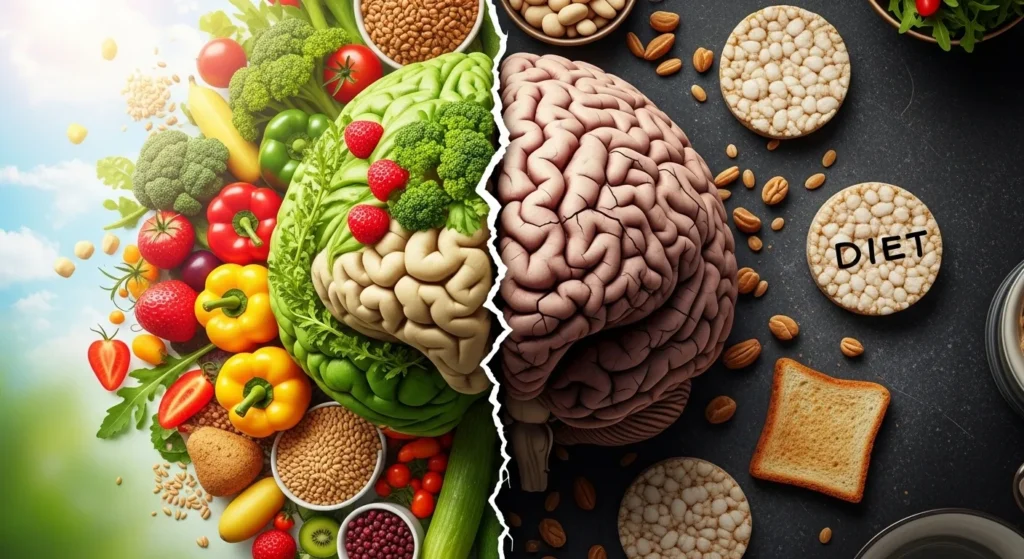
None of this research suggests that ordinary, moderate attention to what you eat is harmful — the effects described here are specifically tied to severe, prolonged restriction, not everyday mindful eating. The distinction matters. A brain that’s adequately fueled, even on a thoughtfully structured lower-calorie plan developed with appropriate guidance, behaves very differently from a brain placed under the kind of significant, sustained energy deficit studied in restriction research.
What This Means If You’re Considering an Extreme Diet
The evidence is consistent: severe restriction tends to work against the mental clarity, discipline, and focus it’s often marketed to deliver. If a diet plan involves a dramatic, prolonged cut in food intake, it’s worth weighing that decision with a healthcare provider or registered dietitian who can help structure something that supports both your goals and your brain’s actual energy needs — rather than working against them.
The Bottom Line
The brain doesn’t reward deprivation with clarity — it responds to deprivation the way any energy-dependent organ would: by narrowing its focus, destabilizing its chemistry, and prioritizing survival over performance. Real, lasting mental clarity comes from consistent, adequate nourishment over time, not from pushing the body into a deficit it wasn’t designed to sustain.
Sources
- National Eating Disorders Collaboration (Australia) – The Starved Brain: Can What We Eat Determine How We Think?
- Duke Department of Psychiatry & Behavioral Sciences – The Starvation Experiment
- The Renfrew Center – The Minnesota Semi-Starvation Experiment: What It Teaches Us About Eating Disorders
- Equip Health – The Minnesota Starvation Experiment: How Hunger Changes You
- Oxford Academic (Nutrition Reviews) – Impact of Continuous Calorie Restriction and Fasting on Cognition in Adults Without Eating Disorders
- Psychology Today – What We Can Learn From the Minnesota Starvation Experiment
Disclaimer: This article discusses restrictive dieting and its psychological effects for informational purposes. If you’re struggling with your relationship with food or eating, please know that support is available — I’m happy to help you find appropriate resources if that would be helpful.

Aarti Solanki, B.Sc. (Food Science), is a food science writer passionate about making nutrition simple and evidence-based. She creates well-researched, easy-to-understand articles on healthy eating, food science, and nutrition, using information from trusted scientific and public health sources.