There’s a strange kind of guilt that shows up right around 7 a.m.
You’re rushing out the door, coffee in one hand, keys in the other, and breakfast is… whatever you can grab. A granola bar. Half a banana. Sometimes nothing at all. And somewhere in the back of your mind, a voice whispers: you know this isn’t good for you.
Here’s the thing — that voice is right, but not in the way you think. Breakfast isn’t about willpower or discipline. It’s about giving your body the right fuel at the exact moment it needs it most. After 7-8 hours without food, your blood sugar, your brain, and your energy reserves are all waiting on you to make the first move of the day. And the food you choose in that moment can quietly shape how you feel, think, and even crave food for the next twelve hours.
The good news? You don’t need a complicated diet plan or expensive superfoods flown in from another continent. Some of the most powerful breakfast foods are sitting in your kitchen right now. Let’s talk about what actually works — and why.
Why Breakfast Still Matters (Even If You’ve Heard Mixed Things)
You’ve probably seen the debates. Some say breakfast is the most important meal of the day. Others say intermittent fasting is the secret to health. So who’s right?
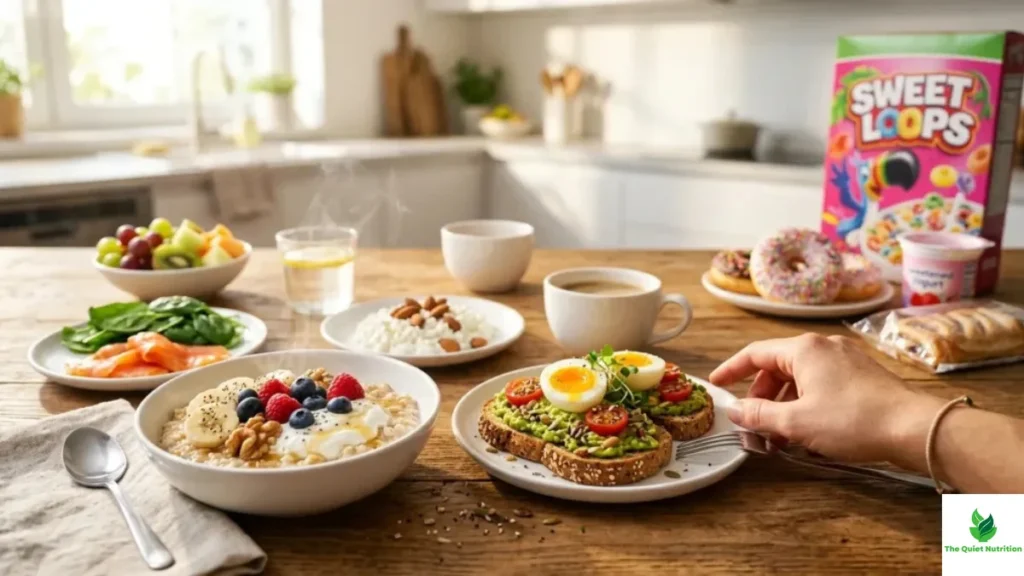
Honestly, both camps have a point — but they’re answering different questions. If you eat breakfast, what you eat matters enormously. A sugary cereal or a pastry can spike your blood sugar, crash it an hour later, and leave you reaching for more sugar by 10 a.m. A breakfast built around protein, fiber, and healthy fats does the opposite: it stabilizes your energy, keeps you full, and supports steady focus.
Think of it like starting a car. Regular gasoline gets you moving, but the wrong fuel over time wears down the engine. Your body works the same way — the ingredients you choose each morning either build momentum or quietly drain it.
The Foods That Actually Deserve a Spot on Your Plate
1. Eggs — Nature’s Original Protein Powerhouse
Eggs get an unfair reputation, but modern research has largely cleared them of the cholesterol scare that dominated headlines decades ago. One egg delivers roughly 6 grams of high-quality protein along with choline, a nutrient that supports brain function. Scramble them, boil them, fold them into a veggie omelet — the format matters less than the consistency.
2. Greek Yogurt — The Gut-Friendly Multitasker
Greek yogurt is strained to remove excess whey, which concentrates its protein content while cutting sugar compared to regular yogurt. It also contains live probiotic cultures that support digestion. Pair it with berries and a sprinkle of nuts, and you’ve got a breakfast that’s as satisfying as it is functional.
3. Oats — The Slow-Burning Energy Source
Oats contain a specific type of soluble fiber called beta-glucan, which has been linked to improved cholesterol levels and steadier blood sugar. Unlike instant flavored packets loaded with sugar, plain rolled or steel-cut oats give you a slow, even release of energy that can carry you comfortably to lunch.
4. Berries — Small Fruit, Big Impact
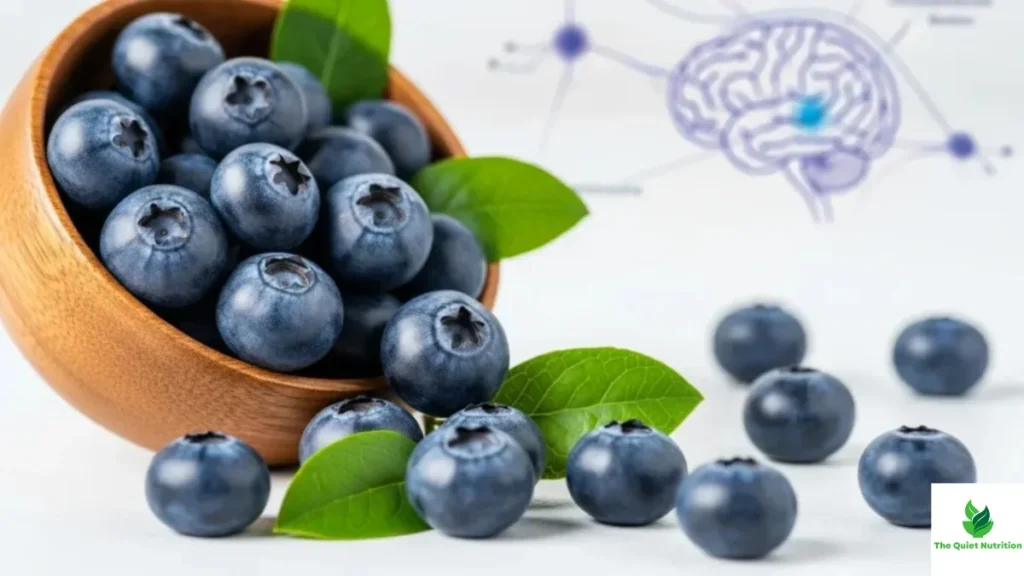
Blueberries, strawberries, and raspberries are often called nature’s candy for good reason — they satisfy a sweet craving while delivering antioxidants that help fight inflammation. They’re also lower in sugar than most fruits, making them an easy, guilt-free addition to yogurt, oatmeal, or a smoothie.
5. Avocado — The Good Fat Champion
Avocados are rich in monounsaturated fats, the same type found in olive oil, which support heart health and help you absorb fat-soluble vitamins from other foods. Half an avocado on whole-grain toast, topped with a poached egg, is one of the most satisfying breakfasts you can build in under five minutes.
6. Chia Seeds — Tiny Seeds, Serious Nutrition
Don’t let the size fool you. Chia seeds are loaded with fiber, omega-3 fatty acids, and plant-based protein. Soaked overnight in milk or a milk alternative, they turn into a pudding-like texture that’s perfect for meal prepping busy mornings in advance.
7. Almonds and Walnuts — The Brain-Boosting Crunch
A small handful of nuts adds healthy fats, protein, and a satisfying crunch to any breakfast. Walnuts in particular are one of the few plant sources of omega-3 fatty acids, which are linked to brain and heart health.
8. Whole-Grain Toast — The Underrated Base
Not all bread is created equal. Whole-grain bread retains the fiber-rich bran and germ that refined white bread strips away, which means slower digestion and a steadier blood sugar response. Use it as a base for eggs, avocado, or nut butter instead of eating it plain.
9. Bananas — Quick, Portable, and Potassium-Rich
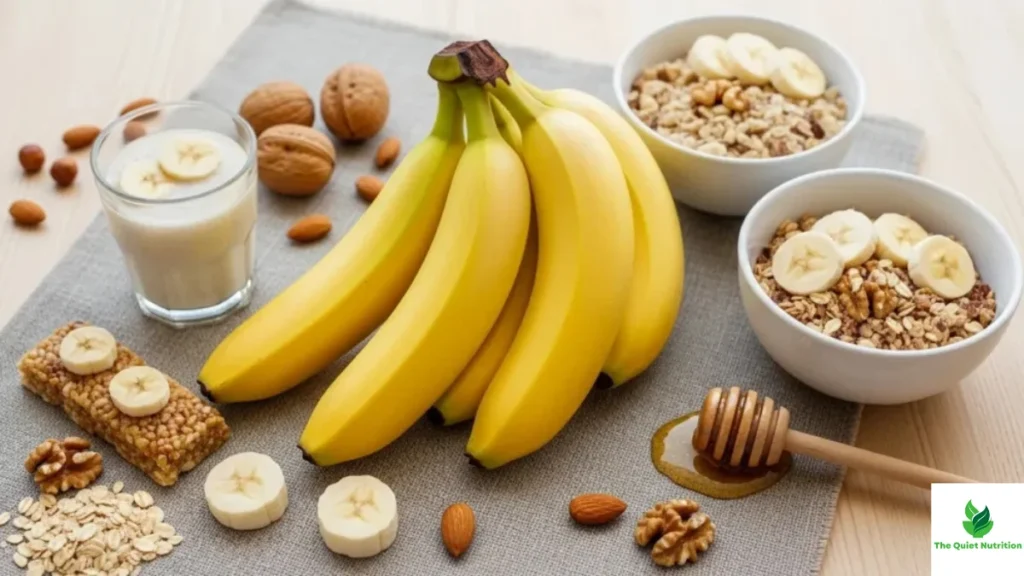
Bananas are an easy grab-and-go option, offering potassium for muscle and heart function along with natural sugars that give a quick energy boost. Pair one with a source of protein, like nut butter, to avoid a mid-morning energy dip.
10. Cottage Cheese — The Comeback Ingredient
Once considered an old-fashioned diet food, cottage cheese has made a comeback thanks to its impressively high protein content per calorie. Topped with fruit or a drizzle of honey, it’s a simple way to stay full until lunch.
11. Spinach and Leafy Greens — Breakfast’s Secret Weapon
Adding a handful of spinach to eggs or a smoothie is one of the easiest ways to sneak in iron, folate, and fiber without changing the taste of your meal. Most people don’t associate greens with breakfast, but that’s exactly why this swap is so underused — and so effective.
12. Smoothies (Done Right) — Convenience Without the Sugar Crash
Smoothies can be a fantastic breakfast or a disguised dessert, depending on what goes in. The trick is balance: a base of protein (yogurt or protein powder), fiber (spinach, chia seeds), healthy fat (avocado or nut butter), and fruit for natural sweetness — not fruit juice, which spikes sugar without the fiber to slow it down.
13. Sweet Potatoes — The Unexpected Breakfast Star
Roasted sweet potato cubes with eggs are a favorite among nutritionists for good reason. Sweet potatoes offer complex carbohydrates, fiber, and vitamin A, providing longer-lasting energy than refined grains.
14. Peanut Butter (Natural, No Added Sugar) — Simple and Satisfying
A tablespoon of natural peanut butter on toast or apple slices delivers protein and healthy fat in one of the most convenient forms available. Just check the label — many brands add sugar and oils that dilute the benefits.
15. Green Tea or Black Coffee — The Often-Overlooked Companion
What you drink matters just as much as what you eat. Unsweetened coffee or green tea provides antioxidants and a gentle energy lift without the sugar crash that comes from flavored coffee drinks and sugary juices.
The One Mistake Almost Everyone Makes
If there’s a single thread connecting all fifteen foods above, it’s this: protein and fiber first, sugar last. Most breakfast mistakes come down to meals that are heavy on refined carbs and sugar but light on the nutrients that keep you full and steady — think pastries, sugary cereals, and flavored yogurt cups. They taste great for ten minutes and leave you hungry — and often irritable — an hour later.
The fix isn’t complicated. It’s about rebalancing what’s already on your plate. Swap the sugary cereal for oats with berries. Swap the muffin for eggs and avocado toast. Small changes, repeated daily, compound into real results over weeks and months.
Building Your Own Perfect Breakfast Formula
You don’t need to memorize fifteen foods. Instead, remember this simple formula:
Protein + Fiber + Healthy Fat + (Optional) Natural Sweetness
A few examples that follow this formula effortlessly:
- Greek yogurt + berries + chia seeds
- Eggs + spinach + whole-grain toast
- Oatmeal + walnuts + banana
- Cottage cheese + peaches + almonds
Once you internalize this pattern, you’ll never need a rigid meal plan again — you’ll simply know what a good breakfast looks like, no matter where you are or what’s in the fridge.
The Bottom Line
Breakfast doesn’t have to be complicated, expensive, or time-consuming to be genuinely good for you. The foods that make the biggest difference are often the simplest ones — eggs, oats, berries, yogurt, nuts — combined thoughtfully rather than eaten out of habit.
The next time that 7 a.m. guilt creeps in, you won’t need it to. You’ll already know exactly what to reach for.

Aarti Solanki, B.Sc. (Food Science), is a food science writer passionate about making nutrition simple and evidence-based. She creates well-researched, easy-to-understand articles on healthy eating, food science, and nutrition, using information from trusted scientific and public health sources.



Pingback: The Hidden Health Power of Lemons Most People Completely Overlook
Pingback: How “Healthy” Food Claims Quietly Lead to Overeating
Pingback: Why Stable Meals Support Decision-Making — The Hidden Nutrition Link to a Clearer Mind
Pingback: Why Missing Meals Sabotages Focus, Memory, and Mental Clarity
Pingback: Why Your Body’s Strength Depends on What You Eat Every Day