
Your Body Is a Structure Before It Is a System
We often think of the body as a machine.
Organs working.
Hormones signaling.
Systems communicating.
But before any of that works well, the body must hold itself together.
Bones support weight.
Muscles create movement.
Connective tissues bind everything into a functional whole.
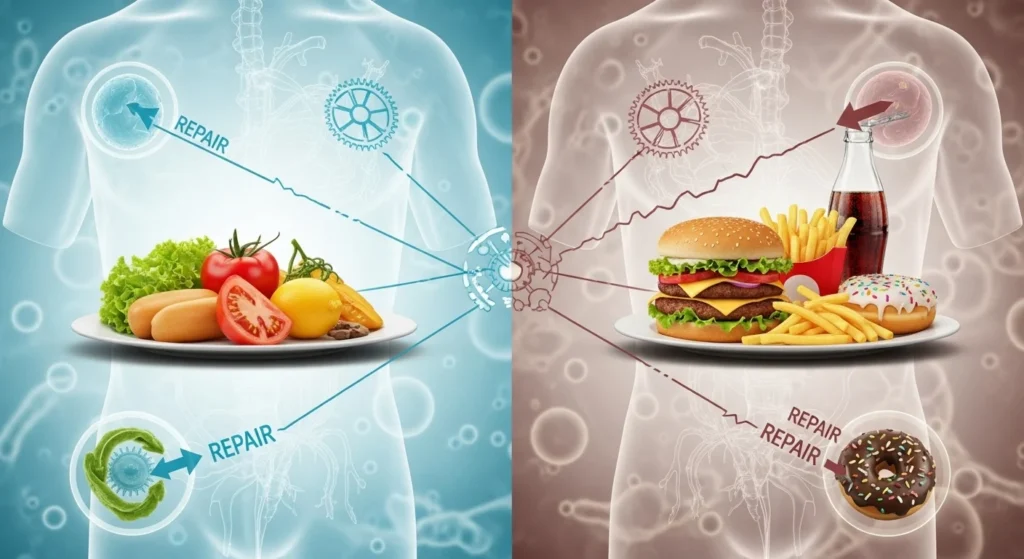
This physical framework—your structural integrity—is quietly built and maintained by nutrition every single day.
When structure weakens, everything else struggles.
And the surprising truth is that structural decline usually begins long before pain, injury, or diagnosis.
What Structural Integrity Really Means in the Human Body
Structural integrity is not just about bones.
It refers to the strength and resilience of:
- Bones
- Muscles
- Tendons and ligaments
- Cartilage
- Fascia and connective tissue
These structures:
- Absorb impact
- Enable movement
- Protect organs
- Maintain posture and balance
Nutrition doesn’t just fuel activity—it supplies the raw materials that keep these structures intact.
Why Structural Decline Often Goes Unnoticed for Years
Structural tissues adapt quietly.
Bone density can decline slowly.
Muscle mass can reduce subtly.
Connective tissue can lose elasticity gradually.
You don’t feel these changes immediately.
Instead, you notice them later as:
- Frequent stiffness
- Slower recovery
- Reduced strength
- Increased injury risk
By the time symptoms appear, the structure has already been compromised.
Nutrition influences this process daily—whether you’re aware of it or not.
The Nutrients That Physically Build the Body
Structural tissues are not abstract—they’re made of specific materials.
Key nutritional contributors include:
- Protein for muscle, collagen, and repair
- Calcium and phosphorus for bone structure
- Vitamin D for mineral absorption
- Magnesium for bone and muscle function
- Vitamin C for collagen synthesis
- Zinc and copper for connective tissue strength
Without consistent intake, the body borrows from existing stores—weakening structure over time.
Why Protein Is Foundational for Structural Integrity
Protein is often framed as a muscle nutrient.
But structurally, it does much more.
- Muscle mass preservation
- Tendon and ligament repair
- Enzyme production for tissue remodeling
- Collagen formation
When protein intake is inconsistent or too low:
- Muscle loss accelerates
- Structural repair slows
- Injury risk increases
This is especially important with aging, stress, and physical activity.
Bone Health Is Not Just About Calcium
Bones are living tissues—not static pillars.
They constantly remodel.
While calcium matters, bone integrity also depends on:
- Adequate energy intake
- Protein availability
- Vitamin D status
- Mechanical loading (movement)
Low-calorie diets, chronic under-eating, or nutrient gaps quietly reduce bone resilience—even in younger adults.
Structural health is cumulative, not reactive.
How Connective Tissue Depends on Nutrition
Connective tissues hold everything together.
They require:
- Amino acids (from protein)
- Vitamin C for collagen cross-linking
- Copper and zinc for tissue strength
- Hydration for elasticity
When nutrition is poor:
- Tissues become less flexible
- Healing slows
- Pain and stiffness increase
These changes are gradual—but meaningful.
Structural Nutrition vs Symptom-Driven Nutrition
| Focus | Symptom-Driven Nutrition | Structural Nutrition |
|---|---|---|
| Timing | After pain or injury | Long before issues |
| Goal | Relief | Resilience |
| Approach | Short-term fixes | Daily consistency |
| Outcome | Temporary improvement | Long-term strength |
| Sustainability | Low | High |
Structural nutrition works quietly—until you need it.
Real-Life Example: Two Bodies, Same Lifestyle
Consider two people with similar activity levels.
Person A
- Eats inconsistently
- Low protein intake
- Frequently under-eats
Person B
- Regular meals
- Adequate protein
- Balanced micronutrients
After years:
- Person A experiences joint pain and weakness
- Person B maintains strength and stability
The difference wasn’t exercise—it was nutritional structure support.
Common Nutrition Mistakes That Undermine Structure
Many habits unintentionally weaken the body’s framework.
Avoid these:
- Chronic calorie restriction
- Skipping protein at meals
- Ignoring micronutrient diversity
- Over-relying on supplements instead of food
- Prioritizing weight loss over tissue health
Structural decline is often nutritional—not inevitable.
Why This Matters Today (More Than Ever)
Modern life places more stress on structure:
- Sedentary behavior weakens bones and muscles
- Processed foods reduce micronutrient density
- Diet culture promotes under-eating
As a result, people experience structural issues earlier than expected.
Nutrition is no longer optional maintenance—it’s preventive infrastructure.
Actionable Steps to Support Structural Integrity
You don’t need complexity.
Start with:
- Eating protein at every meal
- Including mineral-rich whole foods regularly
- Avoiding long-term under-eating
- Supporting collagen through vitamin C–rich foods
- Pairing nutrition with regular movement
Consistency builds structure.
Hidden Tip: Structure Responds Slowly—but Permanently
Structural tissues don’t change overnight.
But when supported consistently:
- Bone density stabilizes
- Muscle loss slows
- Connective tissue becomes more resilient
The benefits compound quietly—and protect you later.
Key Takeaways
- Structural integrity underpins all physical health
- Nutrition provides the raw materials for strength
- Protein, minerals, and micronutrients are essential
- Structural decline begins long before symptoms
- Daily habits build long-term resilience
Frequently Asked Questions
1. Can nutrition really affect bones and joints early in life?
Yes. Structural tissues respond to nutrition across the entire lifespan.
2. Is exercise more important than nutrition for structure?
They work together. Exercise stimulates structure; nutrition builds it.
3. Can supplements replace structural nutrition?
No. Supplements support gaps but cannot replace consistent dietary intake.
4. How quickly does poor nutrition affect structure?
Changes are slow but cumulative, often noticeable years later.
5. Is it ever too late to improve structural integrity?
No. Nutrition supports repair and preservation at any age.
Conclusion: Strong Bodies Are Built Quietly
Your body doesn’t collapse suddenly.
It weakens slowly—unless it’s supported.
Nutrition is how you maintain the beams, joints, and foundations that hold everything else together.
And the strongest structures aren’t built with extremes.
They’re built with steady, daily care.
Disclaimer: This article is for general educational purposes only and does not replace personalized medical or nutritional guidance.







Pingback: Why Aging Isn’t Just About Time — It’s About Energy Balance