There’s a moment almost everyone who’s tried to “eat better” eventually hits: the fridge is stocked, the plan is written down, the intentions are good — and by 9 p.m. you’re standing in the kitchen eating cereal straight from the box anyway. The usual verdict is harsh and immediate. Weak willpower. No discipline. Try harder tomorrow.
But that verdict misses something the body has been doing quietly, and rather brilliantly, the whole time.
I think about my uncle Raj here, mostly because he’d be thrilled to be mentioned in anything. He spent decades yo-yoing between strict diets and total collapse — three weeks of rigid control, then a weekend that undid all of it. He called it a lack of self-control. What was actually happening was closer to a tug-of-war between his conscious decisions and a set of biological systems that don’t care much about New Year’s resolutions.
The Body Has Its Own Chain of Command
Long before “willpower” enters the picture, the body is already negotiating balance through hormones most people have never had reason to think about. Leptin tells the brain when energy stores are sufficient. Ghrelin does the opposite — it rises to signal hunger, often with impressive precision, timed to when you usually eat rather than when you biologically need to. Insulin manages how that energy gets stored or used. None of this is under conscious control, and none of it is negotiable through sheer determination.
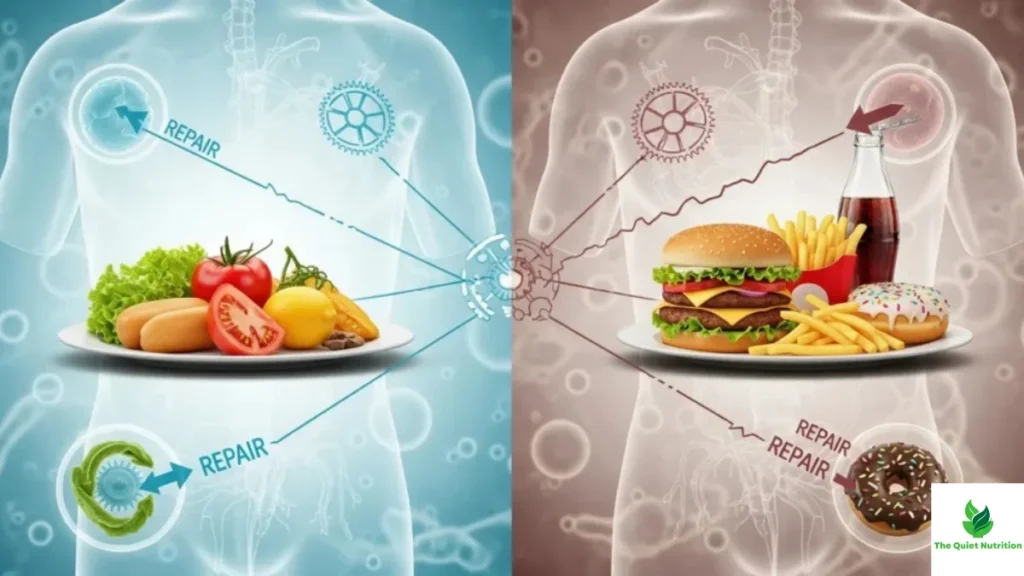
This is why restrictive dieting so often backfires in a predictable pattern. Cut calories hard enough, and the body reads it as a threat, not a lifestyle choice. Ghrelin rises. Metabolic rate can drop to conserve energy. The drive to eat isn’t a character flaw showing up — it’s a legacy survival mechanism doing exactly what it evolved to do. Raj wasn’t failing at discipline during those weekend collapses. His biology was actively working to restore what it interpreted as a deficit.
Balance Is a Physiological Target, Not a Moral One
The body maintains what’s often called homeostasis — a fairly narrow range of stability across blood sugar, hydration, temperature, and nutrient levels. It’s constantly measuring and adjusting, mostly without any input from conscious thought. Blood sugar swinging too high triggers insulin. Sodium levels dropping too far trigger thirst and specific cravings. None of this waits for permission.
What throws people off is treating these signals as noise to override rather than information to work with. A sudden, intense craving for something salty or sweet is often framed as weakness. Sometimes it is just habit or boredom. But often it’s the body flagging an actual imbalance — low sodium after heavy sweating, a blood sugar dip after a meal too light on protein, a magnesium shortfall after weeks of processed food. Working with those signals tends to produce better outcomes than fighting them through sheer resolve.
Why Micronutrients Change the Whole Equation
One thing that rarely gets attention in the willpower narrative is how much micronutrient status shapes appetite and mood in the background. Magnesium deficiency has been linked to increased stress reactivity. Low B12 or iron can produce fatigue that gets misread as laziness or lack of motivation. Zinc plays a role in appetite regulation. None of these show up as an obvious diagnosis — they show up as a vague sense of low energy, poor focus, and cravings that seem to come from nowhere, which then get blamed on the person rather than the deficiency behind them.
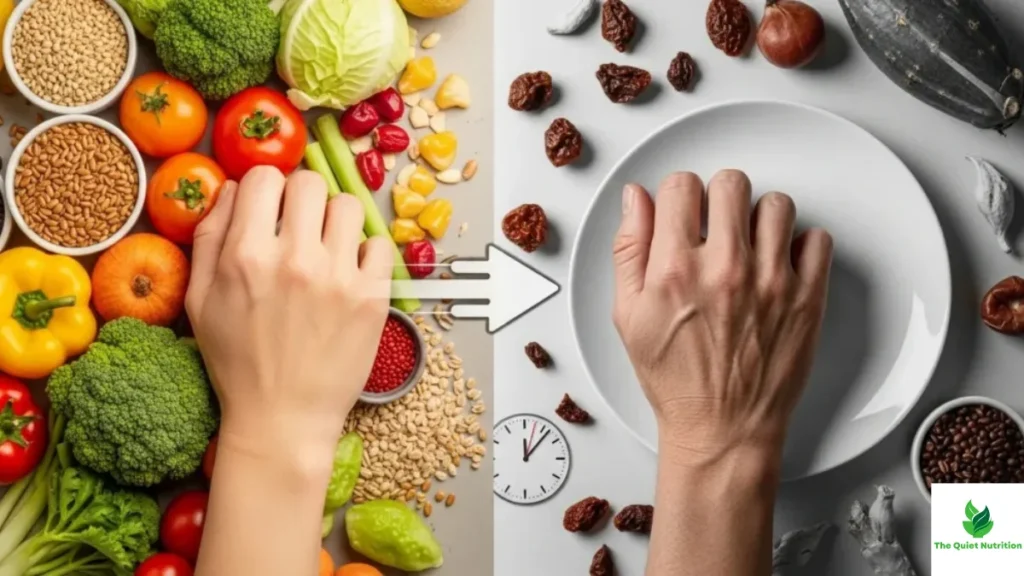
This is part of why eating a genuinely varied, nutrient-dense diet does more heavy lifting than any amount of self-control ever could. It’s not about eating less. It’s about giving the body’s own regulatory systems enough raw material to do their job properly.
What Actually Changed for Raj
The shift for Raj wasn’t a stricter plan. It was, oddly, a looser one — regular meals with enough protein and fat to avoid the blood sugar swings that had been driving his evening collapses, plus paying attention to what his cravings were actually pointing toward instead of treating them as the enemy. The weekend binges stopped being a recurring event. Not because he’d finally found discipline, but because his body no longer needed to compensate for a deficit it had spent all week accumulating.
That’s the real story most diet advice leaves out. The body isn’t working against you when it drives hunger, cravings, or fatigue. It’s running an ancient, largely automatic system whose entire purpose is protecting you from imbalance. Nutrition — consistent, varied, adequately fueled — gives that system what it needs to do its job quietly, without ever requiring a battle of willpower in the first place.
Sources:
- Harvard T.H. Chan School of Public Health — Nutrition Source: https://www.hsph.harvard.edu/nutritionsource/
- National Institutes of Health — Office of Dietary Supplements: https://ods.od.nih.gov/
- Mayo Clinic — Nutrition and Healthy Eating: https://www.mayoclinic.org/healthy-lifestyle/nutrition-and-healthy-eating
- World Health Organization — Healthy Diet Fact Sheet: https://www.who.int/news-room/fact-sheets/detail/healthy-diet
- Cleveland Clinic — Hormones and Hunger Regulation: https://my.clevelandclinic.org/health/articles/22279-leptin

Aarti Solanki, B.Sc. (Food Science), is a food science writer passionate about making nutrition simple and evidence-based. She creates well-researched, easy-to-understand articles on healthy eating, food science, and nutrition, using information from trusted scientific and public health sources.