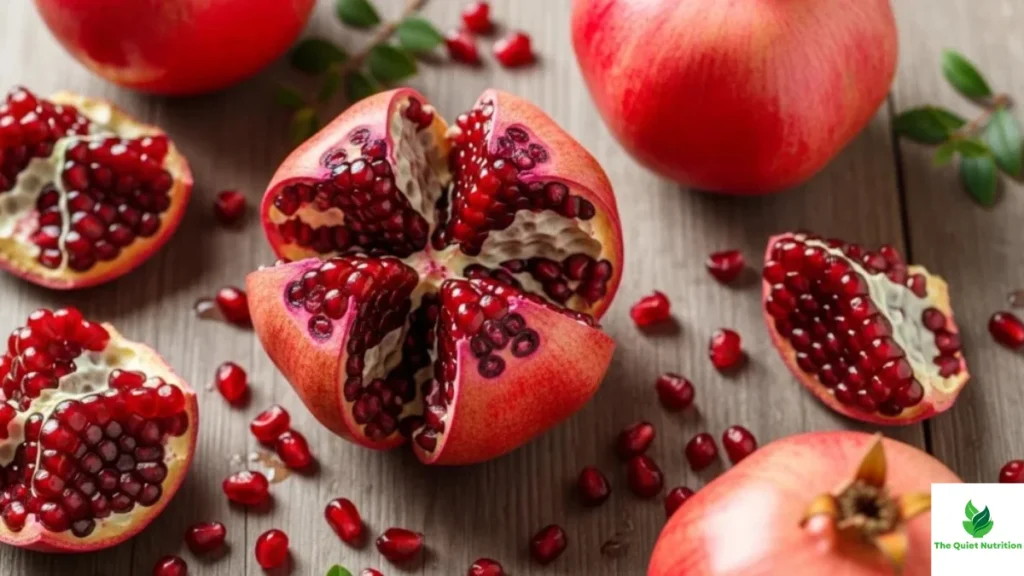
Cut one open and you already know something special is happening. Hundreds of ruby-red seeds, glistening like tiny jewels, packed into a fruit that’s been prized for thousands of years. But the real magic of the pomegranate isn’t just how it looks — it’s what’s happening at a cellular level every time you eat one.
Pomegranates rank among the most antioxidant-dense fruits on the planet, and science is only now catching up to what ancient medicine systems knew all along. Here’s what makes this fruit so good for you, and why your body responds to it the way it does.
What Makes Pomegranates So Antioxidant-Rich?
The secret lies in a group of plant compounds called polyphenols — specifically punicalagins, ellagic acid, and anthocyanins. These compounds are heavily concentrated in pomegranates, more so than in most other fruits, including red wine and green tea, two foods typically celebrated for their antioxidant content.
Punicalagins, found in both the juice and peel, are considered the primary drivers of the pomegranate’s antioxidant power. Anthocyanins, the pigments responsible for that deep red color, also double as potent free-radical fighters.
Together, these compounds work to neutralize oxidative stress — the cellular damage caused by unstable molecules called free radicals. Left unchecked, oxidative stress is linked to aging, inflammation, and a long list of chronic diseases.
Why Your Heart Loves Pomegranates
Cardiovascular health is where pomegranate research is strongest. Regular consumption has been associated with healthier blood pressure levels, improved blood vessel function, and better cholesterol balance, particularly a reduction in the oxidation of LDL (“bad”) cholesterol.
Oxidized LDL is a key player in the formation of arterial plaque, so compounds that help prevent that oxidation may play a meaningful role in long-term heart health. Some clinical research also points to improved blood flow to the heart, which is part of why pomegranate shows up so often in heart-healthy eating patterns like the Mediterranean diet.
Fighting Inflammation From the Inside Out
Chronic, low-grade inflammation is now understood to be a common thread running through many modern health conditions, from diabetes to heart disease to certain cancers. Pomegranate’s polyphenols have been shown to help calm this inflammatory response, working at the molecular level to reduce markers associated with chronic inflammation.
For people managing inflammatory conditions or simply looking to eat more anti-inflammatory foods, pomegranate is one of the more evidence-backed options on the produce aisle.
A Natural Ally for Exercise Recovery
If you’re active, this one’s for you. Emerging research suggests pomegranate may support better blood flow and oxygen delivery to muscles during exercise, thanks to its antioxidant and nitrate-related compounds. Some studies have also found that pomegranate consumption before a workout may help reduce exercise-induced muscle soreness.
It’s becoming a popular addition to pre-workout routines for exactly this reason — not as a stimulant, but as a recovery-support fruit.
Blood Sugar and Metabolic Support
Oxidative stress is closely tied to insulin resistance and metabolic dysfunction, and this is another area where pomegranate’s antioxidant profile appears to help. Clinical trials involving people with type 2 diabetes have found that regular pomegranate juice consumption improved markers of antioxidant defense in the body, suggesting a supportive role in metabolic health when paired with a balanced diet.
What About Cancer Prevention?
This is an area of active, ongoing research, and it’s important to be measured about it. Laboratory and animal studies have shown that pomegranate compounds, particularly from the peel and juice, may help inhibit the growth of cancer cells and interfere with the formation of new blood vessels that tumors need to grow. Some research has focused specifically on prostate and breast cancer.
That said, most of this evidence comes from lab and animal models rather than large-scale human trials, so pomegranate should be viewed as a supportive part of a healthy diet, not a treatment.
How to Get More Pomegranate Into Your Day
You don’t need a complicated recipe to benefit from this fruit. A few easy ways to work it in:
- Sprinkle arils over yogurt, oatmeal, or salads for a burst of color and crunch
- Blend the seeds into a smoothie
- Drink 100% pomegranate juice (check labels for added sugar)
- Add arils to grain bowls, roasted vegetables, or dips like hummus
Half a pomegranate is generally considered one serving, and the fruit is typically in season from October through January, though juice and arils are often available year-round.
The Bottom Line
Pomegranates earn their “superfood” reputation honestly. Few fruits pack this much antioxidant power into something so easy to enjoy, and the research linking them to heart health, reduced inflammation, exercise recovery, and metabolic support keeps growing. As always, no single food is a magic fix, but a fruit this rich in protective plant compounds is an easy, delicious way to give your body a little extra support.
Sources
- Cleveland Clinic — The Health Benefits of Pomegranates
- National Institutes of Health (PMC) — Bioactive Compounds and Antiangiogenic Potential of Pomegranate Extracts
- National Institutes of Health (PMC) — Review of Pharmacological and Medicinal Uses of Punica granatum
- National Institutes of Health (PMC) — Antioxidant, Anti-Inflammatory, Antimicrobial, and Anticancer Activities of Pomegranate Juice Concentrate
- National Institutes of Health (PMC) — Therapeutic Potential of Pomegranate Extract for Women’s Reproductive Health and Breast Cancer
- MDPI Antioxidants Journal — An Overview of the Health Benefits, Extraction Methods and Improving the Properties of Pomegranate
- ScienceDirect — Bioactive Compounds and Health Benefits of Pomegranate: An Updated Narrative Review

Aarti Solanki, B.Sc. (Food Science), is a food science writer passionate about making nutrition simple and evidence-based. She creates well-researched, easy-to-understand articles on healthy eating, food science, and nutrition, using information from trusted scientific and public health sources.


Pingback: What Happens When You Eat Papaya Every Week (The Health Benefits Surprise Most People)