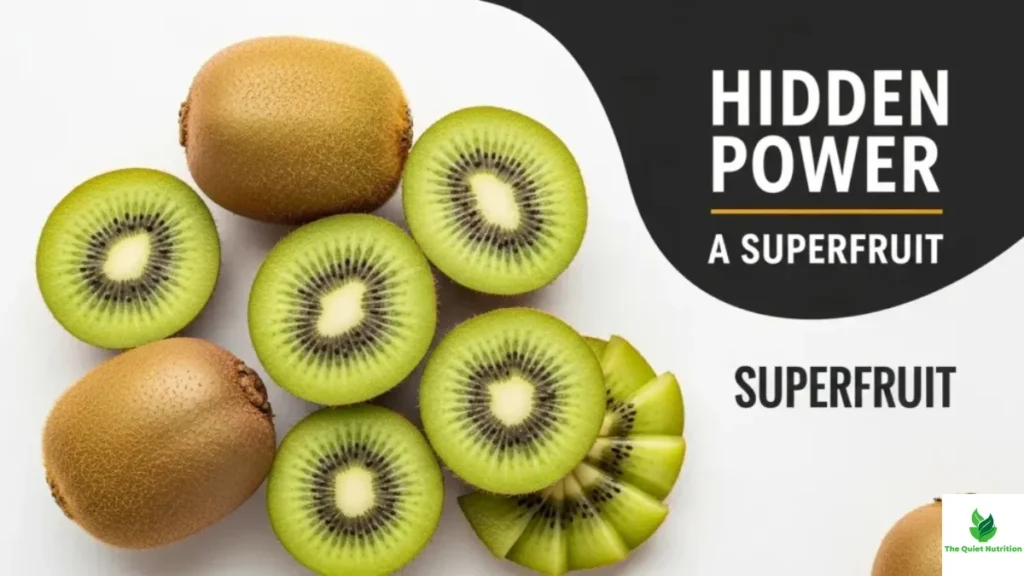
You’ve probably walked past kiwi a hundred times at the grocery store. Small, fuzzy, a little awkward to peel — easy to skip in favor of the usual apples and bananas. But that unassuming brown fruit is quietly outperforming almost everything else in the produce aisle.
Ounce for ounce, kiwi delivers more vitamin C than an orange, more potassium than a banana, and a dose of fiber and antioxidants that researchers have linked to better digestion, steadier blood sugar, and even improved sleep. It’s one of the few fruits on earth that checks nearly every box nutritionists care about — and most people have never given it a real chance.
Let’s fix that.
Why Kiwi Deserves a Spot on Your Plate
Kiwi (technically kiwifruit, from the genus Actinidia) was once nicknamed the “Chinese gooseberry” before New Zealand growers rebranded it in the 1950s and turned it into a global crop. Today it’s grown on nearly every continent, and the science backing its health effects has grown right along with it.
A comprehensive nutritional review published in the European Journal of Nutrition found that kiwifruit stands out for its unusually dense concentration of vitamin C, along with meaningful amounts of vitamin K, folate, potassium, and fiber — all packed into a fruit with roughly 60 calories per serving. >The review’s authors also point to kiwifruit’s distinctive digestive benefits, including improvements in stool consistency, reduced transit time, and less abdominal discomfort, thanks partly to its fiber’s water-retention capacity, its positive effect on gut bacteria, and a naturally occurring enzyme called actinidin that helps break down protein.
That’s not a minor detail. Digestive health affects everything from energy levels to immune function, and kiwi appears to support it in ways few other fruits can match.
1. A Vitamin C Powerhouse — Without the Sour Bite
Most people reach for oranges when they think of vitamin C. Kiwi quietly beats them. A single medium kiwi can supply well over 100% of your recommended daily vitamin C — a nutrient your body can’t produce or store on its own, so it needs a steady daily supply.
Vitamin C isn’t just about warding off colds. It’s essential for collagen production (skin, joints, blood vessels), it helps your body absorb iron from plant foods, and it acts as a frontline antioxidant, neutralizing the free radicals tied to aging and chronic disease.
2. Real Gut Health Support — Backed by Clinical Research
This is where kiwi truly separates itself from the pack. Researchers have studied it specifically for gastrointestinal health, including in people dealing with constipation and irritable bowel syndrome (IBS). The mechanisms include changes in stool consistency, a decrease in transit time, and a reduction of abdominal discomfort — driven by the fruit’s fiber, its effect on gut microbes, and the digestive enzyme actinidin.
In plain terms: if you struggle with bloating, irregularity, or sluggish digestion, kiwi isn’t just a “healthy snack” — it’s one of the few fruits with actual clinical evidence behind it for that specific problem.
3. A Natural Ally for Blood Sugar and Heart Health
Nutrition researchers have also examined kiwifruit’s role in metabolic health, looking specifically at glucose and insulin balance, bodyweight maintenance, and energy regulation — all relevant to cardiovascular disease and diabetes risk. Kiwi has a relatively low glycemic index and a fiber content that slows sugar absorption, which helps explain why it doesn’t spike blood sugar the way many other fruits do.
Combine that with its potassium content — important for regulating blood pressure — and you have a fruit that’s doing quiet, meaningful work for your cardiovascular system every time you eat it.
4. Surprising Support for Sleep and Mood
This is the benefit almost nobody talks about. Kiwifruit contains serotonin and other bioactive compounds, and a growing body of research has started connecting kiwi consumption to improvements in sleep quality and psychological well-being. A rapid review of the literature notes that kiwifruit is nutrient-dense, rich in vitamins, minerals, antioxidants, and enzymes, and that beyond its established digestive and metabolic benefits, newer research has begun linking gold kiwifruit consumption specifically to improved psychological well-being.
If you’ve ever struggled to wind down at night, a couple of kiwis a few hours before bed is a low-effort, evidence-informed experiment worth trying.
5. More Fiber and Nutrients Than You’d Expect from Something So Small
Beyond vitamin C, kiwi is a genuinely well-rounded fruit: it’s considered one of the most commercialized fruits worldwide, noted for high nutritional and medicinal value, and studies of its digestion show that eating the whole fruit — rather than juice, dried slices, or jam — supplies the most comprehensive range of nutritional substances.
That’s a useful reminder in itself: skip the juice or the dried snack version and eat the fruit whole (skin included, if you can stomach the texture — yes, kiwi skin is edible and adds even more fiber).
How to Actually Start Eating More Kiwi
You don’t need a recipe overhaul. A few easy entry points:
- Slice it in half and eat it with a spoon, like a mini grapefruit — no peeling required.
- Add it to smoothies for natural sweetness and a fiber boost.
- Toss it into salads with spinach, feta, and a light vinaigrette for a sweet-savory contrast.
- Eat one an hour or two before bed if you’re experimenting with its potential sleep benefits.
- Pair it with yogurt for a gut-health one-two punch — probiotics plus prebiotic fiber.
The Bottom Line
Kiwi isn’t a trendy “superfood” dreamed up by marketers — it’s a fruit with decades of nutritional research behind it, quietly outperforming more popular options on vitamin C, fiber, and digestive benefits, while offering emerging support for heart health, blood sugar regulation, and even sleep.
It’s cheap, it’s simple, and it takes about ten seconds to prepare. The only real barrier has been awareness — and now you have it.
Next time you’re at the store, skip past the usual fruit bowl regulars and grab a few kiwis instead. Your gut, your heart, and possibly even your sleep will notice the difference.
Sources & Further Reading
- Richardson, D.P., Ansell, J., & Drummond, L.N. (2018). The nutritional and health attributes of kiwifruit: a review. European Journal of Nutrition — PMC6267416
- Ma, T., et al. (2019). Nutritional properties and biological activities of kiwifruit (Actinidia) and kiwifruit products under simulated gastrointestinal in vitro digestion. Food & Nutrition Research — PMC6458959
- The Role of Kiwifruit in Supporting Psychological Well-Being: A Rapid Review of the Literature — PMC9658716
- U.S. Department of Agriculture, FoodData Central — fdc.nal.usda.gov
- National Institutes of Health, Office of Dietary Supplements — ods.od.nih.gov

Aarti Solanki, B.Sc. (Food Science), is a food science writer passionate about making nutrition simple and evidence-based. She creates well-researched, easy-to-understand articles on healthy eating, food science, and nutrition, using information from trusted scientific and public health sources.




Pingback: Why Oranges Support Your Immune System So Well (The Science Behind This Everyday Fruit)
Pingback: Spinach Is More Powerful Than You Think — The Hidden Nutrients Inside Every Leaf