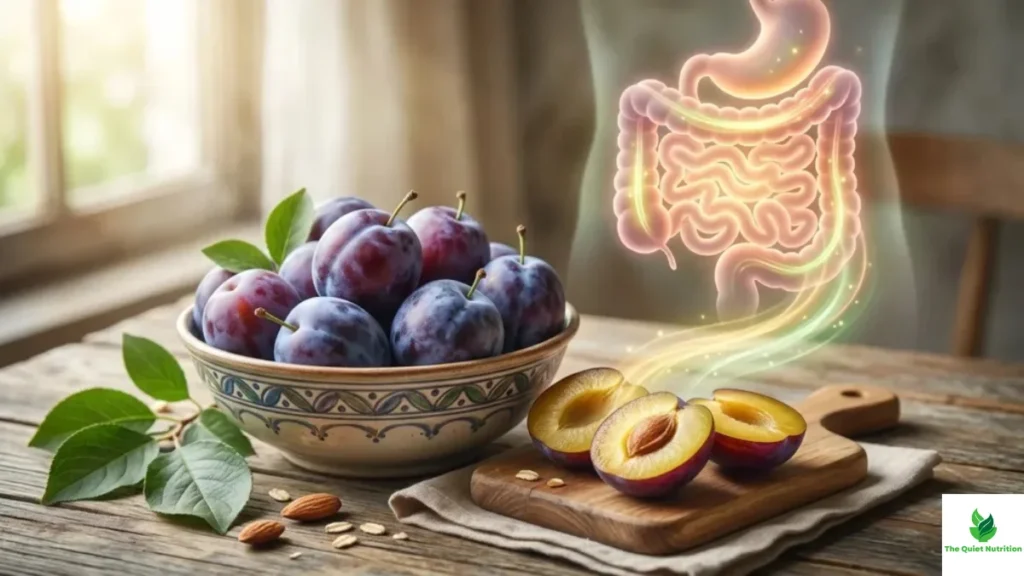
You know that heavy, sluggish feeling after a big meal? The kind where your stomach feels like it’s staging a protest? Most of us reach for antacids, peppermint tea, or simply suffer through it.
But there’s a far more delicious solution sitting quietly in the produce aisle — one that’s been used as a digestive aid for centuries and is now backed by a growing body of nutrition science.
Plums. Yes, those sweet, slightly tart, purple-skinned fruits you probably walked past the last time you went grocery shopping.
“Plums are one of the most underappreciated fruits when it comes to gut health. They work on multiple levels — fiber, natural compounds, and beneficial plant chemicals — all at once.”
Let’s dig into exactly why plums are so powerful for your digestion — and why you should probably be eating more of them.
Why Your Gut Needs More Attention Than You Think
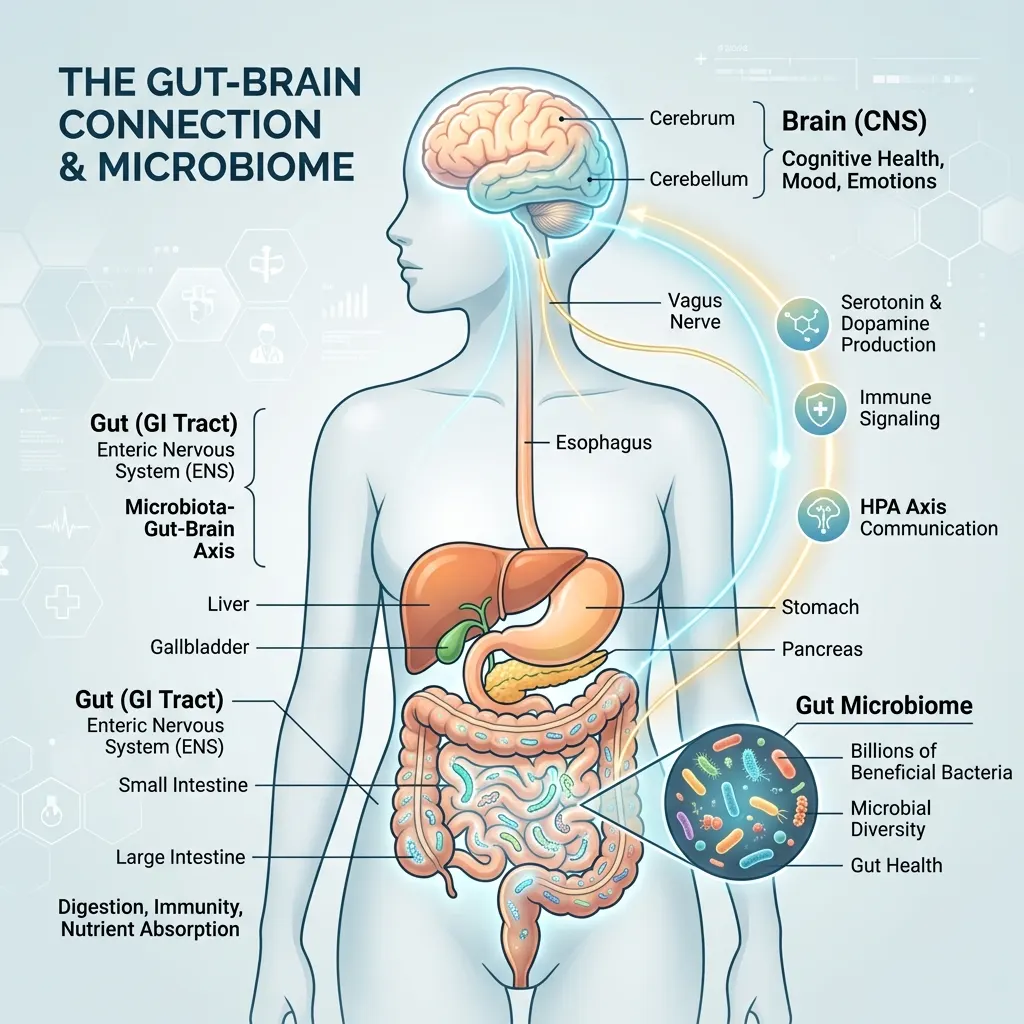
Before we talk plums, let’s talk gut. Your digestive system isn’t just about breaking down food. It’s the command center for immunity, mood, energy levels, and even skin health.
About 70% of your immune cells live in your gut. Your gut and brain communicate directly via the gut-brain axis. And when digestion goes wrong — bloating, constipation, irregularity — it affects your entire quality of life.
So anything that supports gut health isn’t just a “nice to have.” It’s foundational. And plums happen to tick nearly every box your gut requires.
The Fiber Factor — Plums Do It Differently
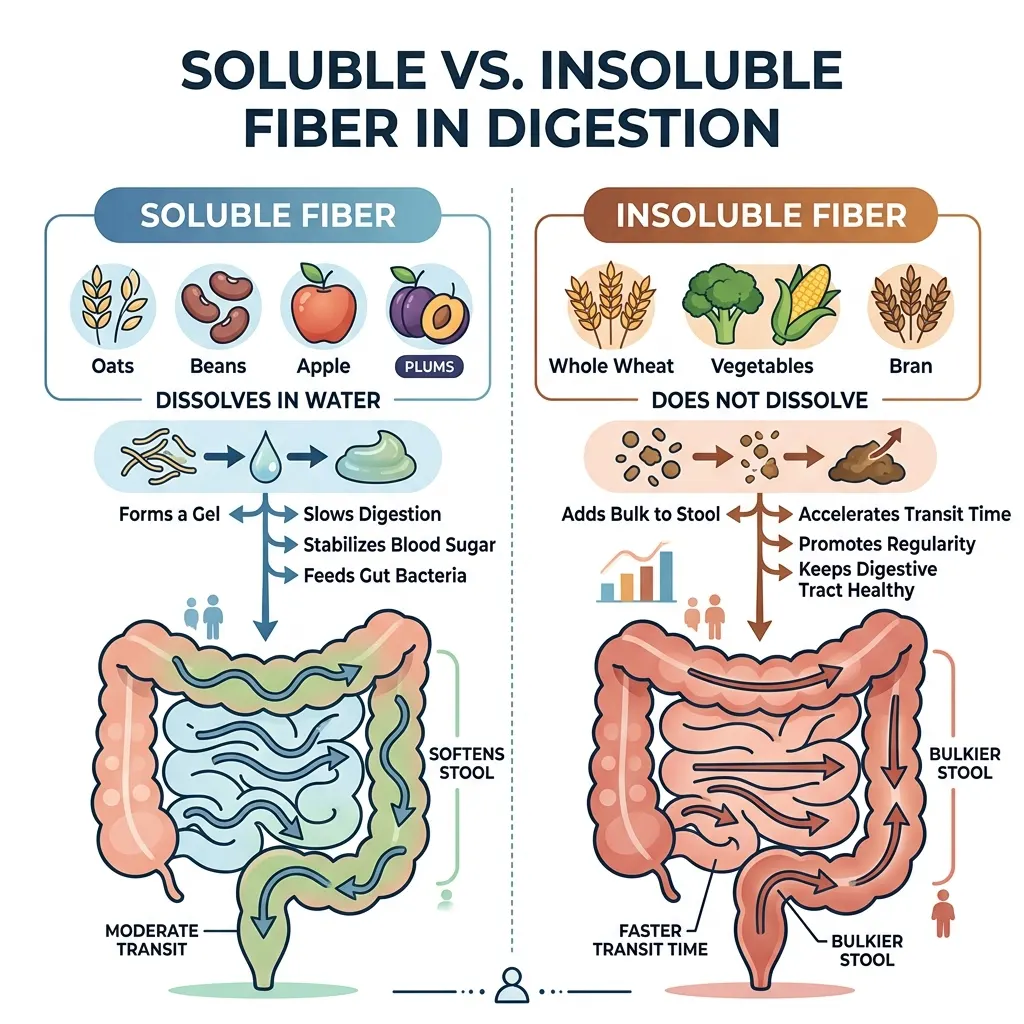
Most people know fiber is good for digestion. What fewer people know is that there are two types — soluble and insoluble — and your gut needs both.
Plums contain a beneficial balance of both fiber types, which is relatively rare in a single fruit.
- Soluble fiber (found in plum flesh) slows digestion, stabilizes blood sugar, and feeds beneficial gut bacteria.
- Insoluble fiber (found in plum skin) adds bulk to stool and speeds up transit time through the intestines — reducing the risk of constipation.
One medium plum contains roughly 1 gram of dietary fiber. Eat two or three, and you’re making a meaningful contribution to your daily fiber goal.
Think of fiber as a broom for your intestines. And plums happen to come with both a soft brush and stiff bristles.
Sorbitol — The Natural Laxative You’ve Never Heard Of
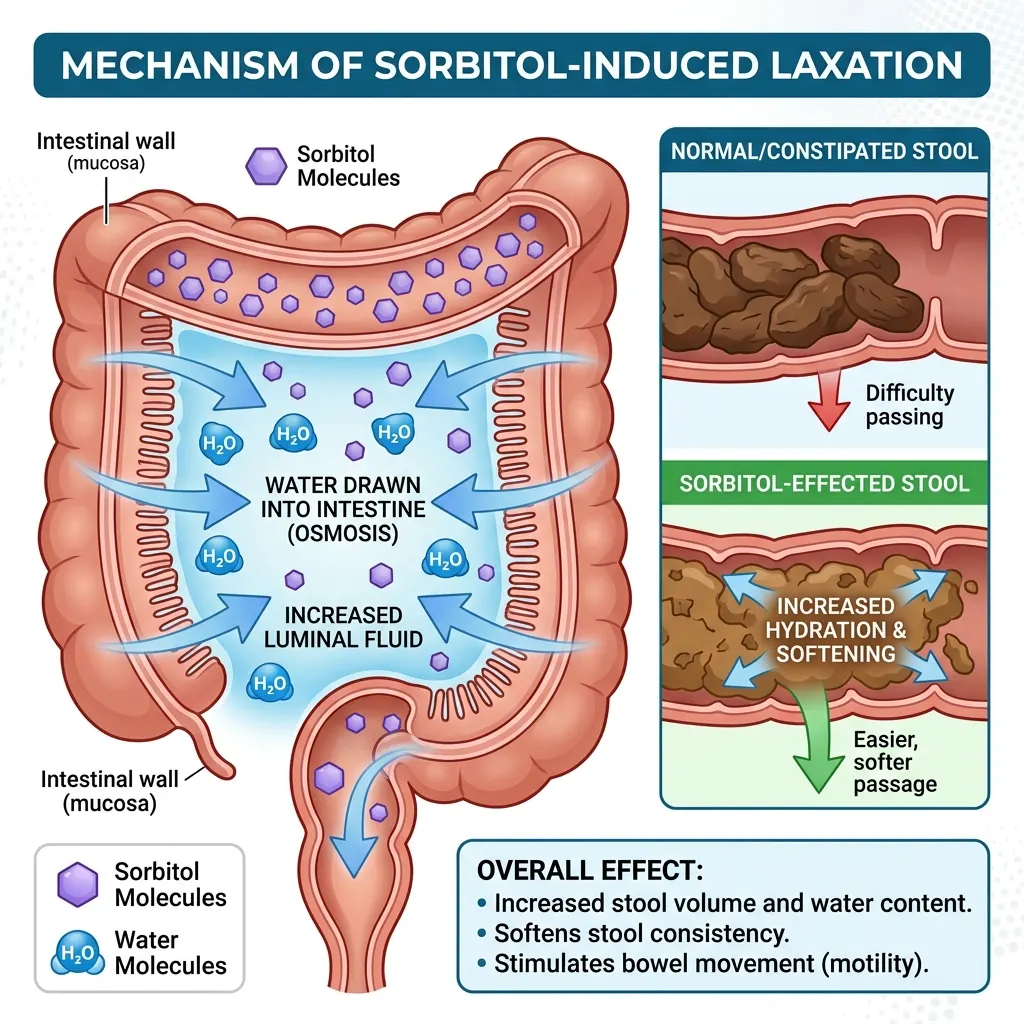
Here’s where plums get really interesting. They contain a naturally occurring sugar alcohol called sorbitol.
Sorbitol is not fully absorbed in the small intestine. Instead, it draws water into the large intestine, softening stool and stimulating bowel movement. This is the exact same mechanism used in many over-the-counter stool softeners — except in plums, it comes naturally.
This is why plums (and their dried cousin, prunes) have such a well-earned reputation for helping with constipation. It’s not folklore — it’s biochemistry.
“A study published in Alimentary Pharmacology & Therapeutics found that dried plums were more effective than psyllium husk at improving stool frequency and consistency in patients with mild constipation.”
Fresh plums contain sorbitol too, just in lower concentrations than prunes. But that’s not a bad thing — it means gentler results, with fewer of the “too much of a good thing” side effects.
Plums and Gut Bacteria — A Relationship Worth Knowing
One of the most exciting areas of nutrition research right now is the gut microbiome — the trillions of bacteria, viruses, and fungi that live in your digestive tract.
Plums are rich in polyphenols — plant-based compounds with powerful antioxidant and anti-inflammatory effects. These polyphenols act as prebiotics, feeding and nurturing the beneficial strains of bacteria in your gut.
- Plums are high in chlorogenic acid, a polyphenol linked to gut microbiome diversity.
- They contain anthocyanins — the compounds that give plums their deep purple colour — which have shown anti-inflammatory effects on the gut lining.
- Polyphenols in plums help selectively feed beneficial bacteria like Bifidobacterium and Lactobacillus.
A healthier, more diverse microbiome means better digestion, less bloating, stronger immunity, and even improved mental clarity.
Plums vs. Other Fruits for Digestion — How Do They Compare?
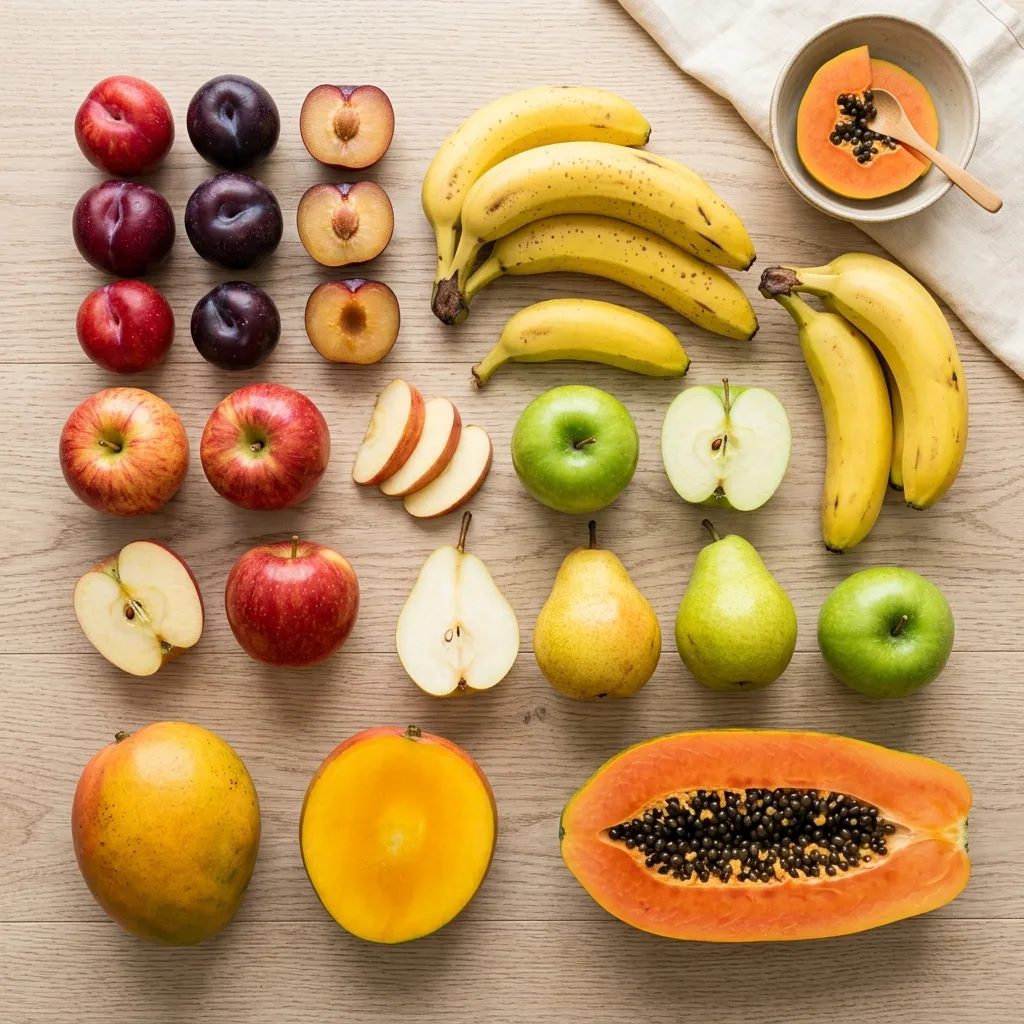
| Fruit | Fiber (per 100g) | Sorbitol | Polyphenols | Digestive benefit |
|---|---|---|---|---|
| Plum | 1.4g | Yes (natural) | High | Constipation relief + microbiome support |
| Apple | 2.4g | Trace | Moderate | Good fiber, mild laxative effect |
| Banana | 2.6g | No | Low | Binding effect (good for diarrhea) |
| Pear | 3.1g | Yes | Moderate | Similar to plum but less sorbitol |
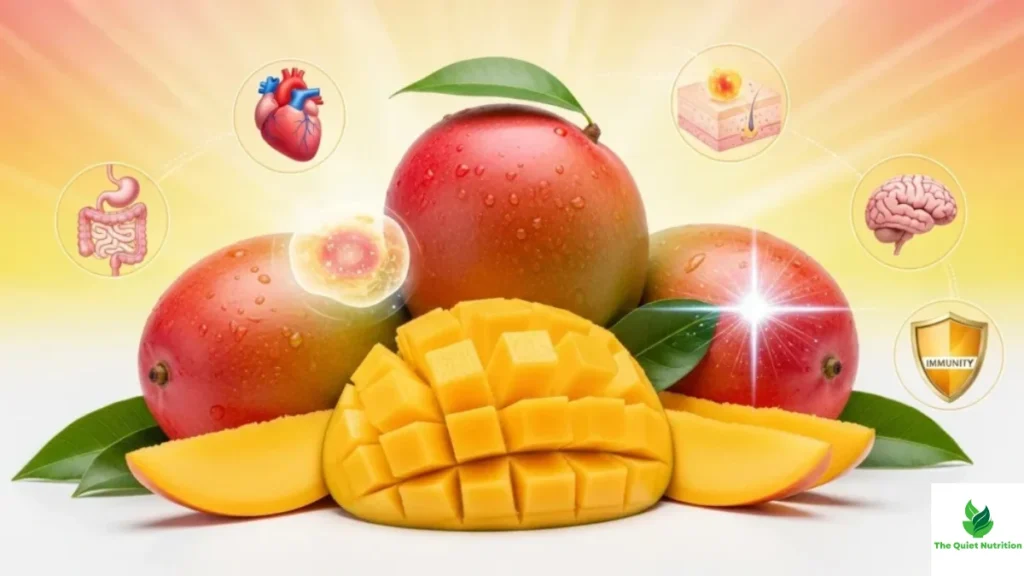
| Mango | 1.6g | No | Moderate | Enzyme-rich (amylase), aids breakdown |
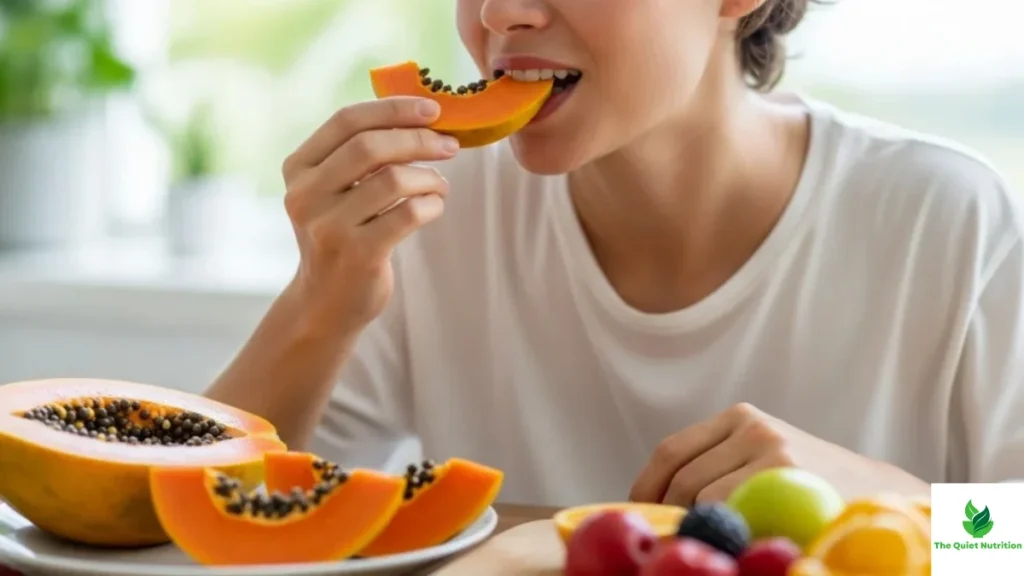
| Papaya | 1.8g | No | Moderate | Rich in papain enzyme for protein digestion |
What makes plums unique is the combination of sorbitol + fiber + polyphenols working together. Most fruits offer one or two of these benefits. Plums bring all three to the table.
Hidden Benefits Most People Don’t Know About
The digestive benefits of plums go deeper than most headlines suggest.
Plums help with bloating
The combination of soluble fiber and polyphenols in plums reduces inflammation in the gut lining — one of the key drivers of chronic bloating. They also support peristalsis (the muscle contractions that move food through your intestines), which prevents the buildup that causes that uncomfortable puffed-up feeling.
They support liver health — and the liver is crucial for digestion
The liver produces bile, which is essential for breaking down fats. Plums contain compounds that support liver function and bile production. A healthier liver means smoother fat digestion and fewer episodes of post-meal discomfort.
Plums help regulate bowel rhythm
Rather than causing a sudden rush (like some laxatives do), the sorbitol and fiber in fresh plums promote regularity over time. Eaten consistently, they can help train your digestive system into a more predictable, comfortable rhythm.
How to Eat Plums for Maximum Digestive Benefit
Not all plum consumption is equal. Here’s how to get the most out of this fruit for your gut:
- Eat the skin. The insoluble fiber and anthocyanins are concentrated in the purple skin. Peeling it wastes most of the digestive benefit.
- Eat them fresh and ripe. Unripe plums contain more tannins, which can actually have a constipating effect — the opposite of what you want.
- Have 2–3 plums per day rather than a large amount at once, especially if you’re not used to high-fiber foods.
- Eat them between meals to allow sorbitol to work without competing with other foods in the digestive queue.
- Pair with water. Fiber and sorbitol both need water to do their job. Stay hydrated.
Mistakes to Avoid When Using Plums for Digestion
- Don’t overdo it suddenly. If you’re not used to high-fiber foods, jumping to 6 plums a day can cause cramping and loose stools. Start with one or two.
- Don’t confuse fresh plums with prune juice. Prune juice has very high sorbitol concentration. It’s more intense — and if you have IBS or a sensitive gut, it can trigger discomfort.
- Don’t eat them alongside high-fat, heavy meals expecting a miracle. Plums support digestion — they don’t override the effects of consistently poor eating habits.
- Don’t rely on canned plums. Canned versions often lose fiber content and come loaded with added sugar, which can worsen gut inflammation.
A Real-Life Example That Puts It in Perspective
Imagine two people with similar diets. One snacks on biscuits and processed snacks between meals. The other reaches for two plums most afternoons.
Over several weeks, the plum eater starts noticing something: less bloating after dinner, more regular mornings, and less of that afternoon energy slump that often comes with sluggish digestion.
This isn’t a dramatic transformation. It’s quiet, consistent improvement — the kind that comes from small, smart dietary choices rather than radical cleanses or expensive supplements.

Plums aren’t a magic pill. But they are remarkably efficient at doing exactly what your gut needs.
Key Takeaways
- Plums contain both soluble and insoluble fiber — a rare dual benefit in one fruit.
- Sorbitol in plums naturally softens stool and promotes bowel regularity.
- Polyphenols in plum skin feed beneficial gut bacteria and reduce inflammation.
- Eat the skin, choose ripe fresh plums, and stay hydrated for best results.
- 2–3 plums per day is a gentle, effective starting point for gut health.
Frequently Asked Questions
1. Are fresh plums as good as prunes for digestion?
Fresh plums offer similar benefits but in a gentler form. Prunes (dried plums) have a much higher concentration of sorbitol and fiber per gram, which makes them more potent — but also more likely to cause cramping in sensitive individuals. Fresh plums are ideal for daily gut support without the intensity.
2. How many plums should I eat per day for digestive health?
Two to three medium plums per day is a good starting point. This gives you a meaningful dose of fiber, sorbitol, and polyphenols without overwhelming your digestive system. If you’re new to high-fiber foods, start with one and build up gradually over a week.
3. Can plums help with IBS (Irritable Bowel Syndrome)?
It depends on your specific triggers. Plums are high in FODMAPs (fermentable carbohydrates), including sorbitol, which can trigger symptoms in some IBS sufferers — particularly those with IBS-D (diarrhea-predominant). If you have IBS, introduce plums slowly and consult a dietitian or gastroenterologist for personalised advice.
4. Is it better to eat plums before or after a meal?
For digestive benefits, eating plums between meals or about 30 minutes before a meal tends to work best. This allows sorbitol and fiber to move through the digestive system without competing with the breakdown of other foods. Eating them right before bedtime on an empty stomach may cause overnight bowel stimulation in sensitive individuals.
5. Do plums help with weight-related digestive issues like slow metabolism?
Plums can indirectly support metabolic health by feeding a healthy gut microbiome, which plays a role in how efficiently the body processes nutrients. Their fiber also slows glucose absorption, helping to avoid blood sugar spikes that contribute to fat storage and digestive sluggishness. They’re not a weight loss tool, but they support the conditions needed for better metabolic function.
The bottom line?
Plums are one of those rare foods where enjoyment and function perfectly overlap. They taste wonderful, they’re in season widely, and they deliver real, measurable benefits to your digestive system — through fiber, sorbitol, and polyphenols working in harmony.
Your gut doesn’t need another supplement. It might just need a plum or two. The produce aisle has been holding this secret all along.

Aarti Solanki, B.Sc. (Food Science), is a food science writer passionate about making nutrition simple and evidence-based. She creates well-researched, easy-to-understand articles on healthy eating, food science, and nutrition, using information from trusted scientific and public health sources.
Pingback: One Date a Day? Here’s What Really Happens Inside Your Body
Pingback: Guava Benefits Explained: What Happens When You Eat It Weekly
Pingback: The Hidden Power of Kiwi: The Superfruit Most People Overlook