There’s a vegetable sitting in your fridge right now — or maybe in the produce aisle you walked past this morning — that contains a compound so chemically powerful that cancer researchers have been studying it for over thirty years.
It’s broccoli. And the compound is called sulforaphane.
This isn’t a wellness fad or a supplement company talking point. The science here is substantial. Sulforaphane has been investigated in hundreds of peer-reviewed studies, tested in clinical trials, and consistently shown to do something remarkable: it actively interferes with the processes that allow cancer cells to survive and multiply in the human body.
The more unsettling part? Most people who eat broccoli at all eat it infrequently, in small portions, and often in a way that destroys much of this compound before it ever gets absorbed. That’s a real, fixable problem — and understanding it could matter more than any supplement you’ve ever considered buying.
What Is Sulforaphane and Where Does It Come From?
Sulforaphane isn’t sitting preformed inside broccoli waiting to be released. It’s created through a chemical reaction that happens the moment you damage broccoli’s cells — by chopping, chewing, or crushing it.
Here’s how it works: broccoli contains a compound called glucoraphanin, stored in the plant’s cells, and a separate enzyme called myrosinase, stored in different compartments. When those cells are physically disrupted, the two compounds come into contact and react. The product of that reaction is sulforaphane.
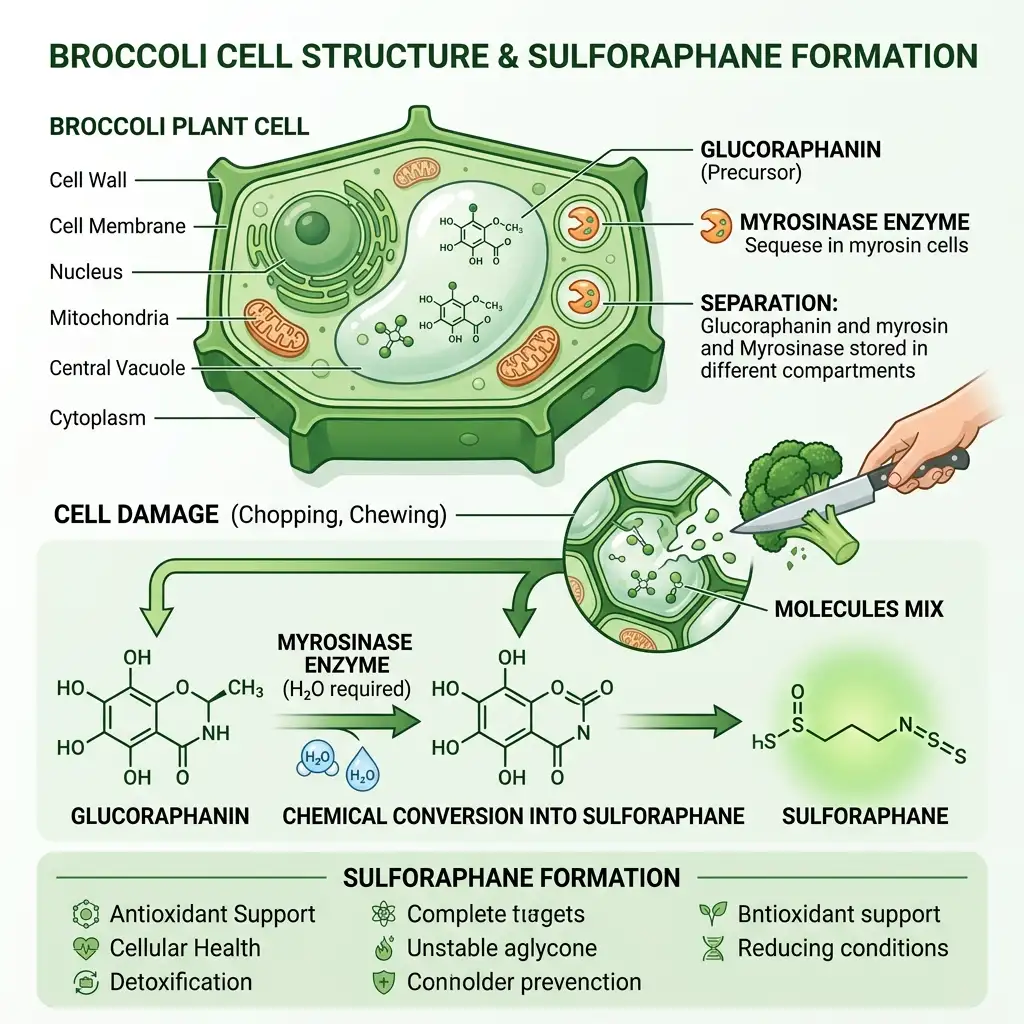
Think of it like a two-part epoxy. The ingredients exist separately. The moment they mix, something transformative happens.
This mechanism is part of broccoli’s natural defense system — a chemical deterrent against insects that eat it. What the plant evolved as a survival strategy turned out, accidentally, to be one of the most potent biological agents for human health that plant foods have ever yielded.
Key Science Insight
The formation of sulforaphane is triggered by cell disruption — not by cooking or digestion alone. Chopping raw broccoli 5–10 minutes before cooking activates the reaction while myrosinase is still intact, locking in sulforaphane before heat can neutralize the enzyme.
How Sulforaphane Actually Fights Cancer Cells
The phrase “fights cancer” gets thrown around loosely in nutrition writing, often attached to foods with nothing more than a vague antioxidant story behind them. Sulforaphane’s case is different — and significantly more specific.
Researchers have identified several distinct mechanisms through which sulforaphane acts on cancer biology. Understanding them helps explain why scientists take this compound so seriously.
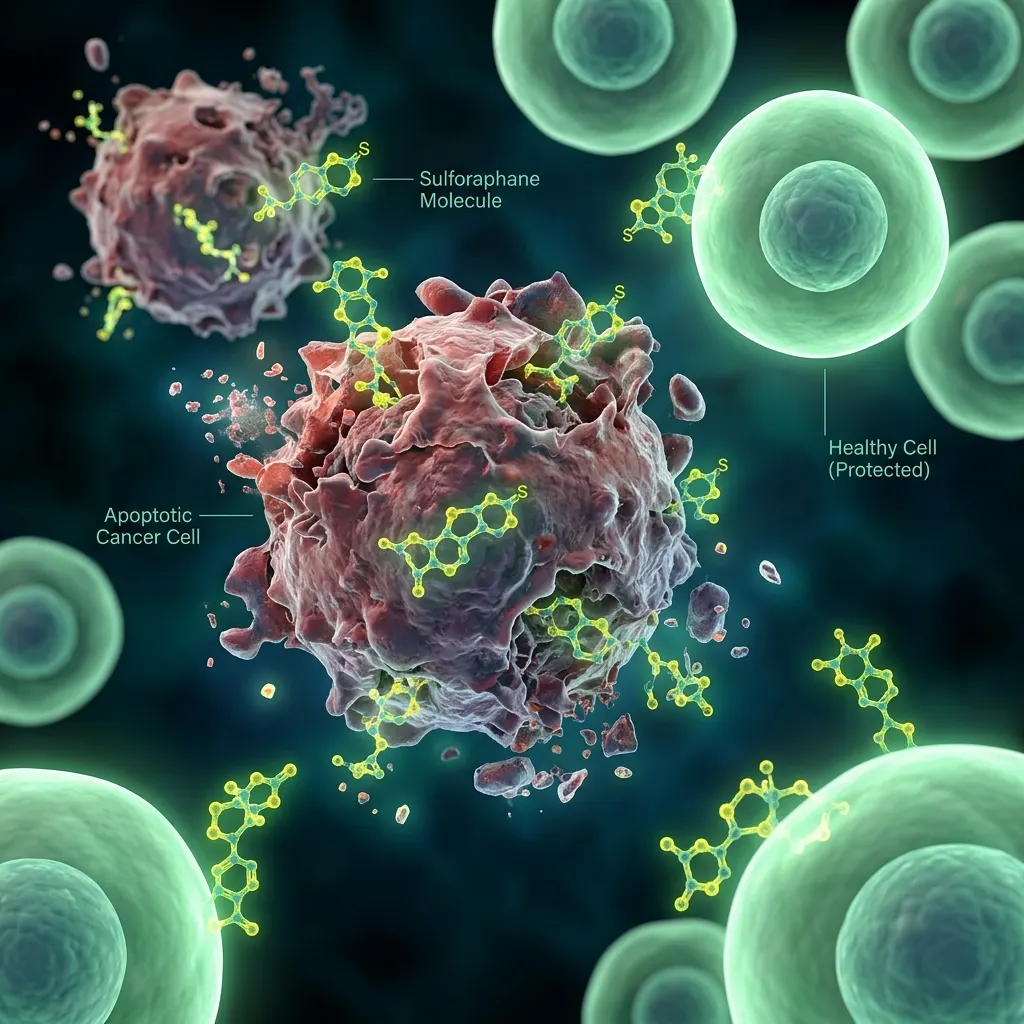
1. It Activates the Body’s Own Detox Enzymes
Sulforaphane is a potent activator of a protein called Nrf2 (Nuclear factor erythroid 2-related factor 2). When Nrf2 is activated, it switches on a cascade of “phase II detoxification enzymes” in the liver and gut — enzymes whose job is to neutralize carcinogens and flush them out of the body before they can damage DNA.
According to research published by NCBI (National Center for Biotechnology Information), this Nrf2 pathway represents one of the most important cellular defense mechanisms against cancer initiation. Sulforaphane doesn’t just provide antioxidants — it tells your cells to produce their own.
2. It Disrupts Cancer Cell Growth Cycles
Cancer cells are, at their core, cells that have lost normal growth regulation. They divide when they shouldn’t, ignore signals to stop, and evade programmed cell death (apoptosis). Sulforaphane has been shown in multiple laboratory studies to interfere with this abnormal behavior by inducing G2/M cell cycle arrest — essentially freezing cancer cells in a phase where they can’t divide — and then triggering apoptosis in those frozen cells.
Studies at the National Cancer Institute have examined sulforaphane’s effects on breast, prostate, colon, and bladder cancer cells, consistently finding this growth-disruptive activity in cell and animal models.
3. It Targets Cancer Stem Cells
This is one of the more remarkable findings to emerge from recent research. Cancer stem cells are a small subpopulation of cells within tumors that are thought to drive resistance to treatment and cause cancer to return after remission. They’re essentially the “seeds” of recurrence.
Research from the American Institute for Cancer Research (AICR) and other institutions has shown that sulforaphane may selectively target these cancer stem cells — something that conventional chemotherapy drugs often struggle to do effectively.
4. It Modulates Inflammation at the Source
Chronic, low-grade inflammation is now widely recognized as a foundational driver of cancer development. It creates a cellular environment where mutations are more likely to survive and abnormal growth is less likely to be caught and corrected. Sulforaphane directly suppresses key pro-inflammatory signaling molecules, including NF-κB, one of the master regulators of inflammatory gene expression.
This isn’t incidental. Reducing chronic inflammation is one of the most effective long-term cancer prevention strategies known, and sulforaphane addresses it at the molecular level.
Sulforaphane doesn’t just add antioxidants to the bloodstream — it reprograms cells to produce their own defensive enzymes. That’s a fundamentally different and more powerful kind of protection.
Which Vegetables Contain It — and How Much?
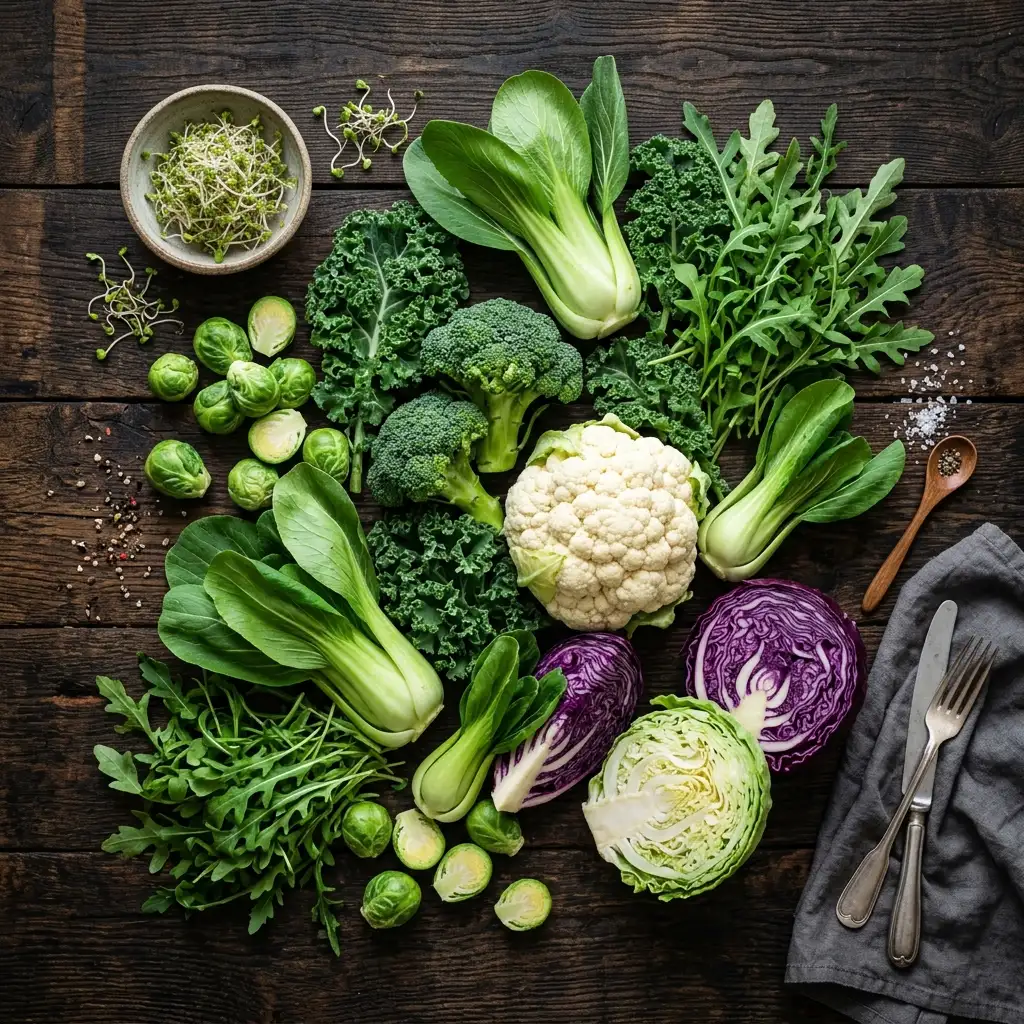
Sulforaphane is present in all cruciferous vegetables (the Brassicaceae family), but the amounts vary enormously depending on the plant and how it’s grown, stored, and prepared.
| Vegetable | Sulforaphane Content | Relative Potency | Best Form |
|---|---|---|---|
| Broccoli Sprouts | 10–100x more than mature broccoli | Very High | Raw |
| Broccoli (mature) | ~40–60mg per 100g raw | High | Lightly steamed |
| Brussels Sprouts | ~30–40mg per 100g raw | High | Roasted / steamed |
| Kale | ~20–35mg per 100g raw | Moderate | Raw or lightly wilted |
| Cabbage | ~15–25mg per 100g raw | Moderate | Raw (coleslaw, etc.) |
| Cauliflower | ~10–20mg per 100g raw | Moderate | Raw or steamed |
| Bok Choy | ~5–15mg per 100g raw | Lower | Stir-fried briefly |
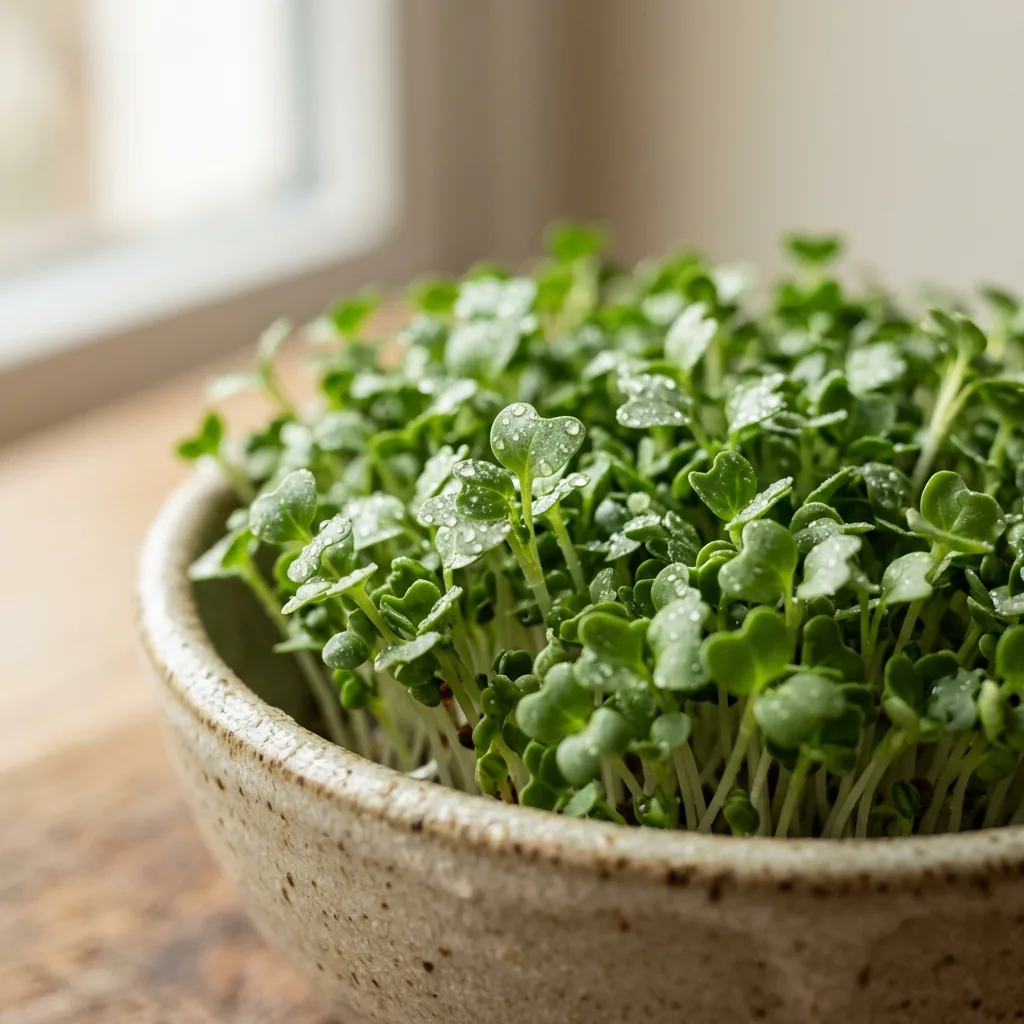
The standout in this table is broccoli sprouts. These 3–5 day old seedlings can contain anywhere from 10 to 100 times more glucoraphanin (the sulforaphane precursor) than mature broccoli. A single tablespoon of sprouts can deliver as much active compound as 100g of cooked broccoli. If you want maximum benefit from minimum volume, sprouts are an extraordinary shortcut.
The Cooking Problem: How We Unknowingly Destroy the Compound
Here’s where the story becomes immediately practical — and a little frustrating. Most of the broccoli that people eat has had most of its sulforaphane potential cooked away.
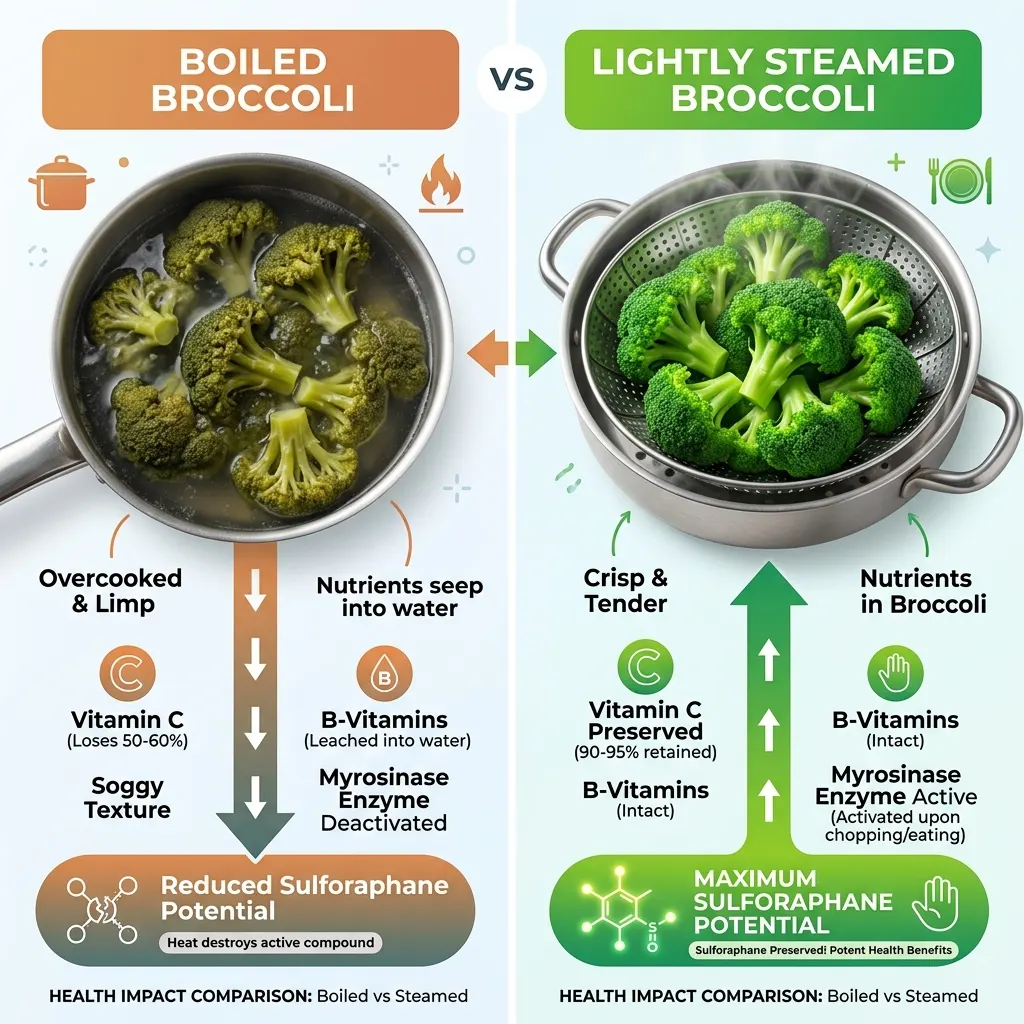
The enzyme myrosinase — the one that triggers sulforaphane formation — is heat-sensitive. Boiling broccoli for just 5 minutes can deactivate up to 90% of myrosinase activity. Without active myrosinase, glucoraphanin passes into the gut largely unchanged. Some gut bacteria do have their own myrosinase-like activity, which partially compensates, but the conversion is far less efficient.
How to Preserve Sulforaphane When Cooking
- Chop or crush broccoli and wait 5–10 minutes before cooking — this allows the sulforaphane reaction to complete while myrosinase is still active
- Steam lightly for 3–4 minutes maximum rather than boiling — steaming preserves significantly more myrosinase activity
- Eat some broccoli raw — add it to salads, slaws, or eat it as a snack with dips
- Add a small amount of mustard seed, daikon radish, or raw broccoli sprouts to cooked broccoli — these contain their own myrosinase and restore conversion capacity
- Avoid microwaving in water, which can be similarly damaging to the enzyme as boiling
The “chop-and-wait” method is perhaps the single most valuable piece of nutritional advice in this entire article. Spend five minutes prepping your broccoli before it hits heat, and you could preserve the majority of what otherwise gets lost. It costs nothing but a little patience.
What the Research Says About Cancer Prevention
It’s important to be honest about where the science currently stands. Most of the mechanistic research on sulforaphane has been conducted in laboratory conditions — cell cultures and animal models. These studies are compelling and consistent, but they don’t automatically translate into proven clinical recommendations for humans.
What the human-level evidence does show is this:
Epidemiological data from large population studies consistently finds that people who eat cruciferous vegetables regularly — roughly three to five servings per week — have meaningfully lower rates of lung, colorectal, breast, and prostate cancer than those who eat them rarely or not at all. This relationship holds even after controlling for other dietary and lifestyle factors.
Early clinical trials have shown that sulforaphane from broccoli sprout extracts can measurably increase the body’s detoxification enzyme activity and reduce specific biomarkers of cancer risk in human volunteers. A notable trial published in Cancer Prevention Research found that participants consuming broccoli sprout beverages showed significantly elevated levels of protective enzymes in nasal tissue exposed to carcinogens.
The Harvard T.H. Chan School of Public Health notes in its Nutrition Source on broccoli that higher cruciferous vegetable intake is associated with a reduced risk of several cancers, and that dietary patterns emphasizing these vegetables are among the most consistently supported by epidemiological evidence.
No single food is a cure for cancer, and nothing in this article should be read that way. But the evidence linking regular cruciferous vegetable consumption to lower cancer risk is some of the most robust in the field of nutritional epidemiology. And unlike many nutritional relationships, the mechanism is clearly understood — which makes the association far more credible.
Related Reading from The Quiet Nutrition
- Spinach Is More Powerful Than You Think — The Hidden Nutrients Inside Every Leaf
- The Surprising Brain Benefits of Blueberries
- Why Avocados Are the Gold Standard of Healthy Fats
- How Nutrition Supports Cellular Renewal
- Why Your Body Treats Food as Information, Not Just Fuel
Beyond Cancer: Sulforaphane’s Other Documented Benefits
Cancer prevention gets the headlines, but sulforaphane’s biological activity extends across several other systems in meaningful ways. This isn’t a bonus — it reflects the compound’s broad role in reducing oxidative stress and inflammation, which are root drivers of nearly every chronic disease.
Cardiovascular health: Sulforaphane’s activation of Nrf2 also protects arterial walls from oxidative damage — one of the earliest steps in atherosclerosis. Several studies have shown reductions in markers of cardiovascular risk in regular cruciferous vegetable consumers. If you’ve read our piece on the surprising heart benefits of grapes, many of the protective mechanisms run through similar pathways.
Blood sugar regulation: Research suggests sulforaphane may improve insulin sensitivity and reduce fasting blood glucose in people with type 2 diabetes. A 2017 study in Science Translational Medicine found that a concentrated broccoli sprout extract meaningfully reduced fasting blood glucose in obese participants with dysregulated blood sugar.
Brain protection: Emerging research is exploring sulforaphane’s role in neuroprotection — specifically its potential to reduce neuroinflammation and protect against cognitive decline. Early studies in neurodegenerative disease models are promising, though human clinical data is still limited.
Gut microbiome support: Sulforaphane may help maintain the integrity of the gut lining and selectively support beneficial bacterial populations. A healthy gut microbiome is increasingly recognized as central to immune function and even mood regulation — making this connection particularly relevant to whole-body health.
How Much Broccoli Should You Actually Be Eating?
This is the honest question that follows from everything above: what does “enough” look like in practice?
Most research that demonstrates meaningful cancer-preventive effects uses amounts equivalent to 1 to 2 cups of broccoli per day (approximately 90–180 grams). That’s more than most people eat in a week.
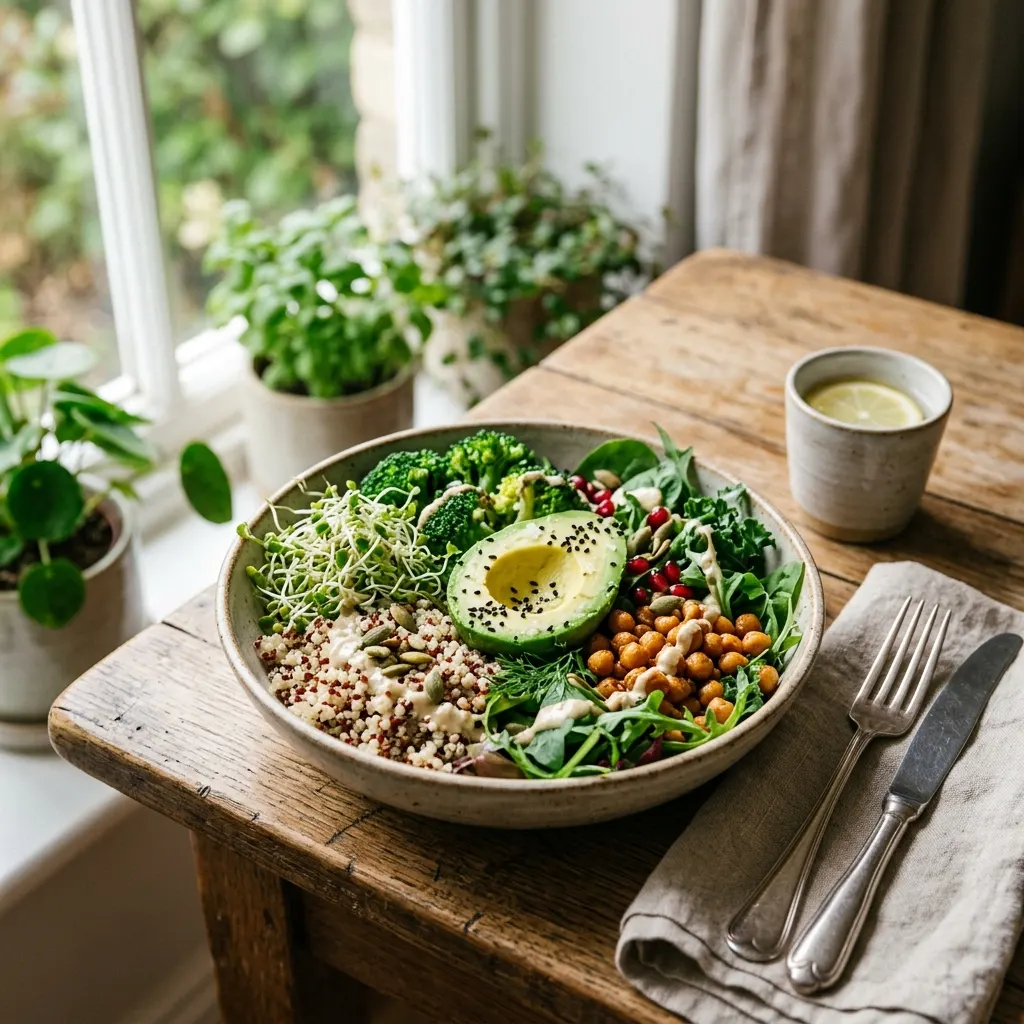
Broccoli sprouts change the math dramatically. A single tablespoon added to a salad, sandwich, or grain bowl can match the sulforaphane content of a full serving of mature broccoli. They’re mild in flavour, widely available, and easy to grow at home in a jar with just seeds and water.
For people who genuinely can’t eat broccoli regularly due to taste preferences or digestive sensitivity, the rest of the cruciferous family provides meaningful amounts — kale, Brussels sprouts, cabbage, and arugula all contain the necessary precursors. Small, consistent changes in food habits compound powerfully over time — getting one extra serving of cruciferous vegetables per day is an achievable shift with a credible evidence base behind it.
5 Practical Ways to Eat More Broccoli (Without Getting Bored)
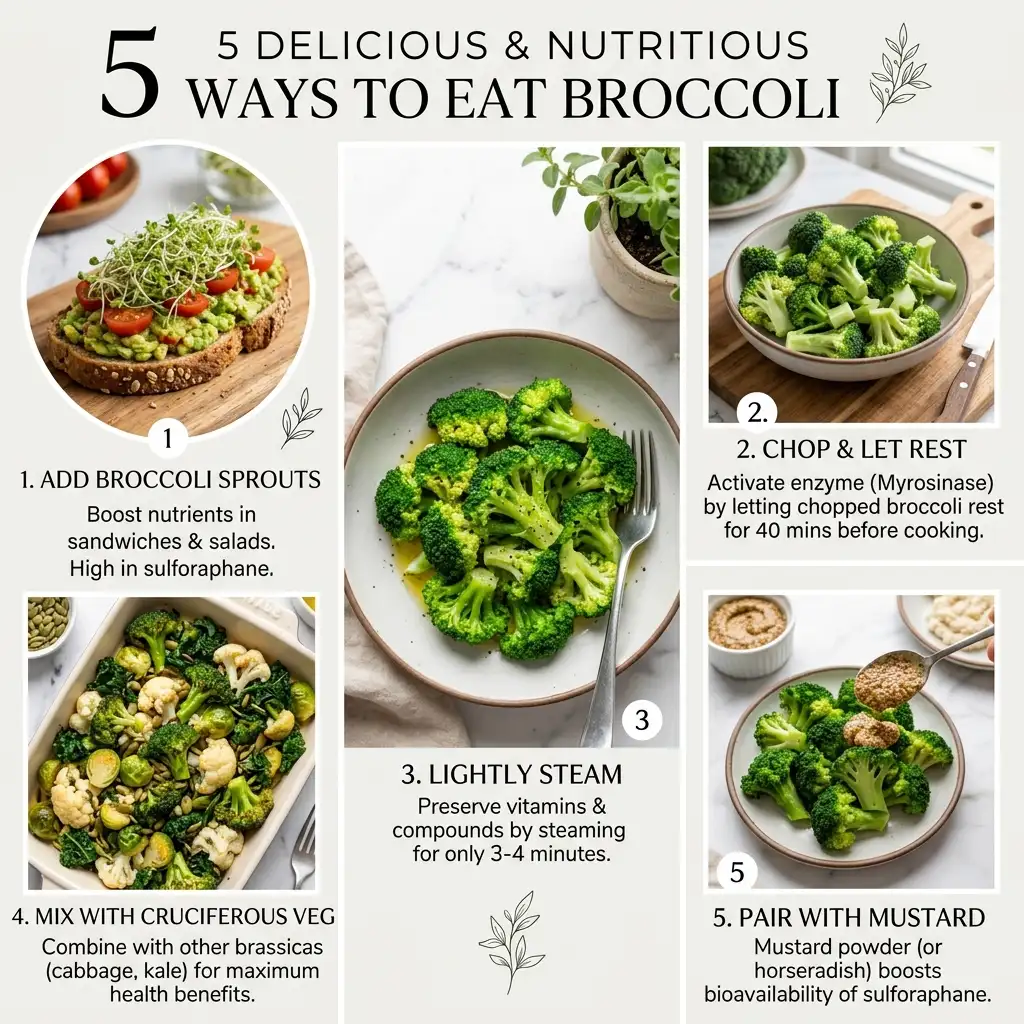
01. Add Sprouts to Everything
Broccoli sprouts taste mild and slightly peppery. Add a tablespoon to sandwiches, salads, or rice bowls. The nutrients are intact because you’re eating them raw.
02. The Chop-and-Wait Method
Chop broccoli, leave it on the cutting board for 5–10 minutes, then cook. This simple habit preserves sulforaphane through the cooking process.
03. Steam, Don’t Boil
Keep steaming time to 3–4 minutes. Tender-crisp broccoli retains significantly more beneficial compounds than soft, boiled florets.
04. Rotate Your Crucifers
Brussels sprouts, kale, and cabbage offer variety while keeping your sulforaphane intake consistent. Fermented cabbage (sauerkraut) is particularly rich in beneficial compounds.
05. Pair with Mustard
Mustard seeds contain their own myrosinase. Adding mustard powder or whole-grain mustard to cooked broccoli dishes helps restore the conversion pathway that cooking disrupts.
Frequently Asked Questions About Broccoli and Sulforaphane
What is the cancer-fighting compound in broccoli?
The compound is called sulforaphane. It forms when you chew or chop broccoli, triggering a reaction between glucoraphanin and the enzyme myrosinase. Sulforaphane has been extensively studied for its ability to activate detoxifying enzymes, reduce inflammation, and block pathways that cancer cells need to grow.
How much broccoli do you need to eat to get the benefits?
Most research uses the equivalent of 1 to 2 cups (around 90–180g) of broccoli per day. Broccoli sprouts are far more concentrated — just one tablespoon of sprouts can contain as much sulforaphane as 100g of mature broccoli, making them a practical shortcut for most people.
Does cooking destroy sulforaphane in brocoli?
Yes, high heat can deactivate myrosinase, the enzyme needed to produce sulforaphane. Light steaming (3–4 minutes) preserves more sulforaphane than boiling. Chopping or chewing raw broccoli before cooking also helps, as it triggers the sulforaphane-forming reaction before heat can deactivate myrosinase.
What other vegetables contain sulforaphane?
Sulforaphane is found in all cruciferous vegetables, including Brussels sprouts, kale, cabbage, cauliflower, bok choy, and arugula. Broccoli sprouts are the most concentrated source per gram by a significant margin.
Can sulforaphane replace cancer treatment?
No. While sulforaphane shows meaningful protective and anti-cancer properties in research, it is not a treatment for cancer. It works best as part of a preventive, whole-food dietary pattern. Anyone with cancer or a family history of cancer should follow the guidance of their oncologist and healthcare team first.
Are broccoli supplements as effective as eating real broccoli?
The evidence for whole-food sources is stronger and more reliable than for supplements. Many sulforaphane supplements contain glucoraphanin without active myrosinase, meaning conversion in the gut depends entirely on your microbiome, which varies significantly between individuals. Whole broccoli or sprouts remain the preferred delivery mechanism for most researchers.

The Bottom Line
Sulforaphane is not a miracle cure. No compound — natural or pharmaceutical — carries that kind of promise alone. But within the world of evidence-based nutrition, it is one of the most rigorously studied, mechanistically well-understood, and consistently supported cancer-preventive compounds that exists in ordinary food.
The frustrating reality is that most people either don’t eat broccoli frequently enough, or they eat it in a way that neutralizes the very compound that makes it worth eating. Both of those problems are easily corrected.
Eat more broccoli — and more of the cruciferous family broadly. Chop it before you cook it. Steam lightly rather than boil. Add a handful of sprouts where you can. These are small, frictionless changes with a meaningful evidence base behind them.
If you found this article useful, the way food works as information in the body goes far beyond any single compound — explore our piece on how food communicates with your biology at a cellular level for a broader picture of what nutrition is actually doing inside you every day.
Medical Disclaimer: The information in this article is intended for general educational purposes only and is not a substitute for professional medical advice, diagnosis, or treatment. Cancer prevention and management should always be discussed with qualified healthcare professionals. Dietary changes, while beneficial, should complement — not replace — conventional medical care.

Aarti Solanki, B.Sc. (Food Science), is a food science writer passionate about making nutrition simple and evidence-based. She creates well-researched, easy-to-understand articles on healthy eating, food science, and nutrition, using information from trusted scientific and public health sources.