
You walk past them in the grocery store every summer. Round, golden, fragrant — almost glowing under the produce lights. You might grab one or two, enjoy the sweetness, and move on.
But here’s what most people don’t realize: that simple peach sitting in your fruit bowl is quietly doing extraordinary things for your body.
From protecting your heart to fighting inflammation, clearing your skin, and even helping you sleep better — the benefits of eating peaches go far deeper than their delicious taste. And most of us are completely unaware.
Here's the truth: Peaches are one of the most nutrient-dense, antioxidant-rich fruits you can eat — yet they're consistently overlooked in favor of blueberries, avocados, and the usual wellness favorites. Today, that changes.
What Makes Peaches So Nutritionally Powerful?
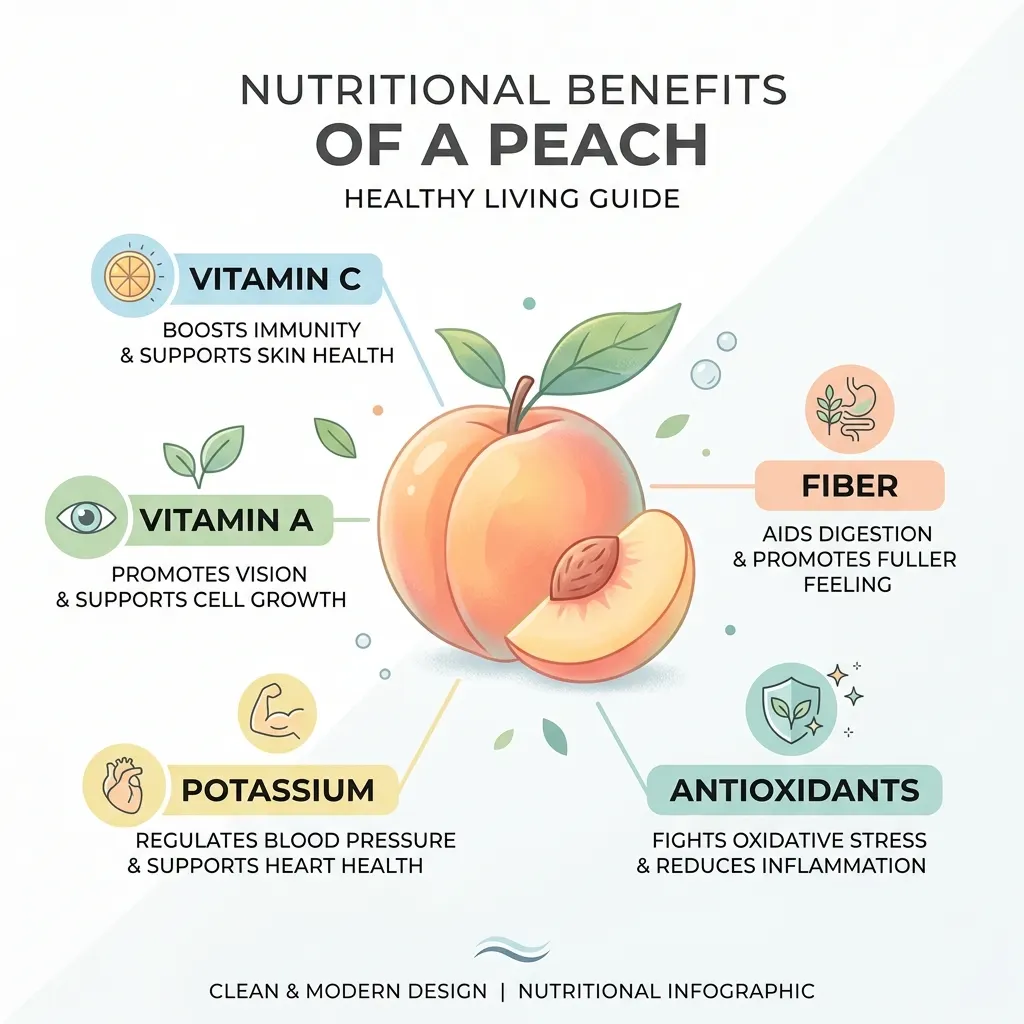
Before we get into the benefits, let’s understand what’s actually inside a peach. A medium-sized peach (about 150g) contains approximately:
- 58 calories — making it a guilt-free snack
- Vitamin C (15% of your daily value) — immune and skin support
- Vitamin A (10% DV) — essential for eye health and cell repair
- Potassium — critical for blood pressure and muscle function
- Niacin (Vitamin B3) — energy metabolism and brain function
- Dietary fiber (2.3g) — gut health and satiety
- Chlorogenic acid — a powerful antioxidant tied to lower disease risk
What makes peaches truly special is this combination. It’s not just one nutrient — it’s the synergy of vitamins, minerals, fiber, and plant compounds all working together inside one beautiful fruit.
1. Your Heart Will Thank You
One of the most significant — and least discussed — benefits of eating peaches regularly is cardiovascular protection.
Peaches contain chlorogenic acid and quercetin, two antioxidants shown in research to reduce LDL (bad) cholesterol oxidation. When LDL cholesterol oxidizes, it sticks to artery walls. Preventing that process is one of the earliest defenses against heart disease.
The potassium in peaches also plays a direct role. Potassium acts as a natural vasodilator — it relaxes blood vessel walls, reducing blood pressure. Studies suggest diets high in potassium are associated with a significantly lower risk of stroke and hypertension.
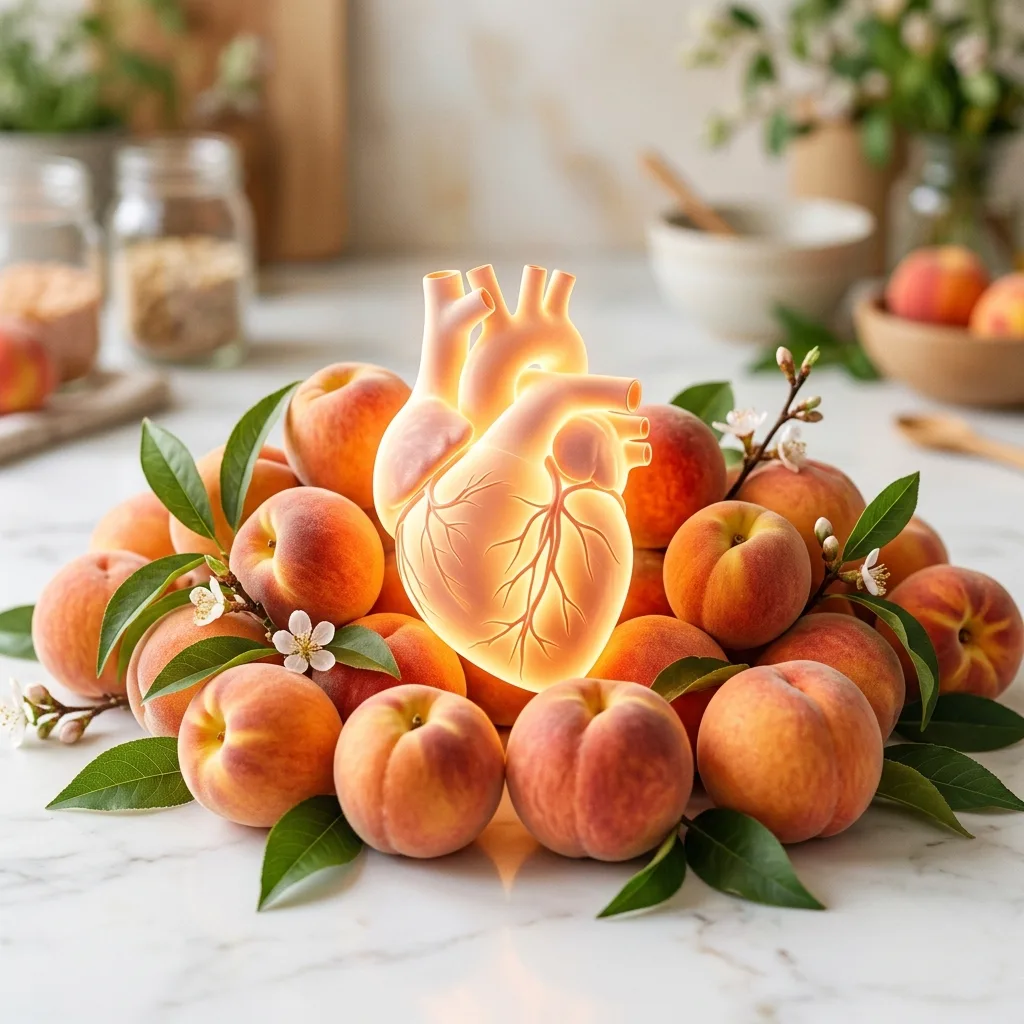
Hidden tip: Eat peaches with the skin on. The skin contains up to 27x more antioxidants than the flesh alone, according to a study published in the Journal of Agricultural and Food Chemistry.
2. Clearer, Healthier Skin — From the Inside Out
Here’s something the skincare industry doesn’t want you to know: the most effective skincare routine often starts in your kitchen, not your bathroom cabinet.
Peaches are rich in Vitamin C, which is the essential co-factor for collagen synthesis. Collagen is the structural protein that keeps skin firm, plump, and youthful. Without enough Vitamin C, collagen production slows — and skin begins to sag and wrinkle faster.
Peaches also contain beta-carotene, which converts to Vitamin A in the body. Vitamin A accelerates skin cell turnover, meaning dead skin cells shed faster and fresh, healthy cells replace them. This is the same mechanism behind popular retinol creams — but here, it’s completely natural.

The sun protection angle you haven’t heard
Research suggests that regular consumption of beta-carotene-rich foods can build a mild but measurable protective effect against UV-induced skin damage. It’s not a replacement for sunscreen — but it’s a powerful complement to one.
3. A Surprising Ally for Gut Health
With growing research linking gut health to everything from mood to immunity, this benefit deserves serious attention.
Peaches contain both soluble and insoluble fiber. Soluble fiber feeds beneficial gut bacteria — the kind associated with reduced inflammation, better mood regulation, and even lower body weight. Insoluble fiber adds bulk to stool, keeping digestion regular and reducing the risk of colorectal issues.
There’s also a lesser-known compound in peaches called sorbitol, a naturally occurring sugar alcohol with a mild laxative effect. In modest quantities, it gently supports bowel regularity without the harshness of over-the-counter solutions.
Mistake to avoid: Don't peel your peaches before eating. Much of the fiber and antioxidant content sits in and just beneath the skin. Peeling removes a significant portion of the very nutrients you're eating the peach for.
4. Natural Anti-Inflammatory Properties
Chronic inflammation is now understood to be the root cause of most major diseases — from type 2 diabetes and arthritis to Alzheimer’s and certain cancers. Managing it is one of the most important things you can do for long-term health.
Peaches contain several potent anti-inflammatory compounds: chlorogenic acid, caffeic acid, and quercetin. Together, they work to inhibit inflammatory cytokines — the chemical messengers your body produces in response to stress, poor diet, and environmental toxins.
In a notable study from Texas A&M University, peach extracts were found to inhibit the growth of breast cancer cells and reduce metastasis in animal models. Researchers pointed specifically to the polyphenols in peaches as the active agents. While more human trials are needed, the early findings are genuinely exciting.
5. Better Sleep and Calmer Nerves
This is perhaps the most surprising benefit on this list — and the one that most people never expect from a piece of fruit.
Peaches contain small but meaningful amounts of magnesium, a mineral that plays a central role in regulating the nervous system. Magnesium deficiency is increasingly common, and it’s directly linked to anxiety, restlessness, and poor sleep quality.
Beyond magnesium, peaches have long been used in traditional Chinese medicine as a calming food. Modern herbal preparations using peach flower extracts have shown mild sedative properties in preliminary studies — suggesting there may be phytochemicals in the fruit that support relaxation pathways in the brain.
Actionable step: Try eating a ripe peach about 90 minutes before bed. The natural sugars provide a gentle insulin response that can help tryptophan (a sleep-promoting amino acid from other foods in your diet) cross the blood-brain barrier more effectively.

6. Eye Health and Vision Protection
Peaches are a genuinely underrated food for eye health. They contain beta-carotene, lutein, and zeaxanthin — three nutrients that form a protective layer in the macula of the eye.
Lutein and zeaxanthin, in particular, are the only carotenoids found in the human retina. Diets rich in these compounds are consistently associated with a reduced risk of age-related macular degeneration (AMD) and cataracts — the two leading causes of vision loss in adults worldwide.
Fresh vs. Canned vs. Frozen: Which Peach Is Actually Best?
Not all peaches are created equal when it comes to nutritional value. Here’s a clear breakdown:
| Type | Nutrients Preserved | Added Sugar? | Best Use |
|---|---|---|---|
| Fresh (ripe, in-season) | Maximum — all vitamins, fiber, antioxidants intact | None | Eating raw, smoothies, salads |
| Frozen (no syrup) | High — flash-freezing preserves most nutrients | Usually none | Smoothies, baking, off-season use |
| Canned in juice | Moderate — some vitamin C loss from heat | Minimal (juice) | Quick snacking, cooking |
| Canned in syrup | Moderate — nutrients present but diluted | Yes — significant | Desserts only; not ideal daily |
| Dried peaches | Fiber preserved; vitamin C largely lost | Often added | Travel snack; use sparingly |
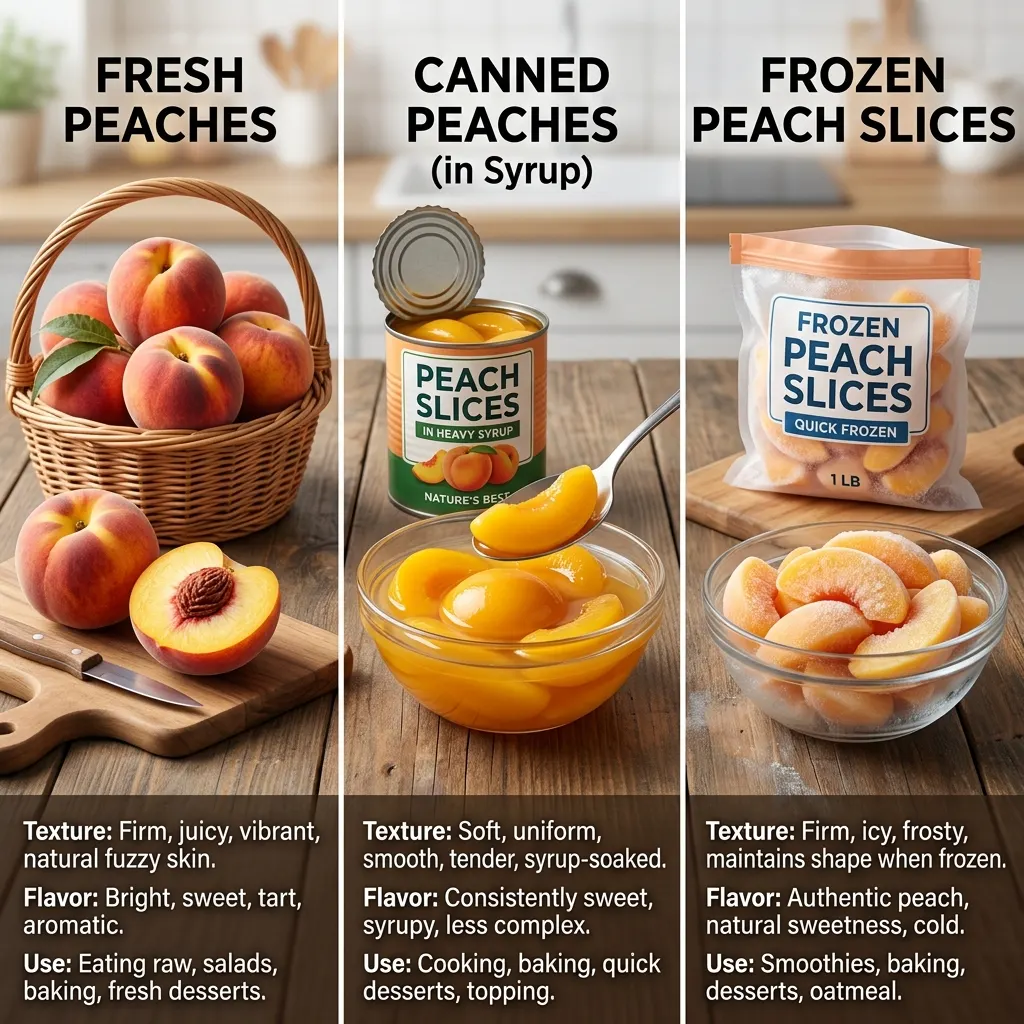
The verdict? Fresh, ripe, in-season peaches are always the gold standard. Frozen (without added syrup) is an excellent second choice and often more nutritious than out-of-season fresh peaches shipped from far away.
7. Weight Management and Blood Sugar Balance
Despite their sweetness, peaches have a surprisingly low glycemic index (GI of around 42). That means they release sugar slowly into the bloodstream — preventing the spikes and crashes associated with high-GI foods.
The combination of fiber, water content (peaches are about 89% water), and low caloric density makes them an ideal food for weight management. They’re genuinely satisfying, they fill you up, and they don’t trigger aggressive hunger rebound.
Emerging research also suggests that peach phenolics may help improve insulin sensitivity — an incredibly important finding for the growing number of people managing pre-diabetes or metabolic syndrome.
Key takeaways

✓ Peaches are rich in vitamins A, C, and potassium — supporting heart health, skin, and immunity in one fruit.
✓ The antioxidants chlorogenic acid and quercetin fight inflammation and protect against chronic disease.
✓ Always eat peaches with the skin on — it contains the highest concentration of beneficial antioxidants.
✓ Fresh and frozen peaches are the best choices; canned in syrup should be limited.
✓ Peaches support gut health, sleep quality, eye protection, blood sugar balance, and even skin collagen production.
✓ Their low glycemic index makes them safe and beneficial even for those watching blood sugar levels.
Frequently Asked Questions
1. How many peaches should I eat per day?
One to two medium peaches per day is considered a healthy, balanced amount for most adults. This gives you meaningful nutritional benefits without overloading on natural sugars. If you have diabetes or are monitoring carbohydrate intake, consult your healthcare provider for personalized guidance.
2. Are peaches good for weight loss?
Yes — peaches are an excellent food for weight management. They’re low in calories (around 58 per medium peach), high in water and fiber, and have a low glycemic index that prevents blood sugar spikes and hunger rebounds. They make for a satisfying snack that won’t derail a calorie-conscious diet.
3. Is it better to eat peaches with or without the skin?
Always with the skin, when possible. The skin contains a significantly higher concentration of antioxidants and fiber than the flesh alone. Research published in peer-reviewed journals has shown the skin can have up to 27 times more antioxidant activity than the inner flesh. Simply wash the peach thoroughly before eating.
4. Can peaches improve skin naturally?
Absolutely. Peaches contribute to skin health through multiple pathways: Vitamin C supports collagen synthesis, beta-carotene (Vitamin A) promotes cell turnover, and antioxidants protect against oxidative stress that causes premature aging. Consistent consumption over time can contribute to a more even complexion and better skin elasticity.
5. Are canned peaches as nutritious as fresh ones?
Canned peaches retain much of their fiber and some vitamins, but the heat processing involved reduces Vitamin C content significantly. If choosing canned, always opt for varieties packed in juice rather than syrup to avoid excess added sugar. Frozen peaches (no syrup) are the best alternative to fresh, as flash-freezing preserves the majority of nutrients.
The Bottom Line
The peach is one of nature’s most complete, accessible, and underappreciated foods. It protects your heart, feeds your gut, lights up your skin, calms your nerves, and guards your eyes — all while tasting extraordinary.
You don’t need an expensive supplement stack or a complicated wellness routine. Sometimes, the most powerful thing you can do for your health is simply reach for what’s already in season — and eat it, skin and all.
Start today. One peach. That’s it.

Aarti Solanki, B.Sc. (Food Science), is a food science writer passionate about making nutrition simple and evidence-based. She creates well-researched, easy-to-understand articles on healthy eating, food science, and nutrition, using information from trusted scientific and public health sources.
Pingback: One Date a Day? Here’s What Really Happens Inside Your Body
Pingback: Why Tart Cherries Are Becoming a Popular Natural Sleep Food