Seeds may be tiny, but they can make a useful contribution to digestive health. Chia, flax, pumpkin, sunflower, and sesame seeds each provide a different combination of fiber, fats, minerals, and plant compounds. Some are particularly rich in fiber, while others contribute more protein, healthy fats, or minerals.
Their most important digestive contribution is often dietary fiber. Fiber helps regulate bowel movements, and certain types can be fermented by microbes in the large intestine. This process produces substances called short-chain fatty acids, which play several roles in the gut environment.
But the benefits depend on which seeds you eat, how much you consume, and how well your digestive system tolerates the change. Seeds are not a universal remedy for constipation, bloating, or other digestive conditions. Their value comes from being part of a varied, fiber-rich diet.
Here is what happens when you include seeds in your regular eating routine—and how to get the most from them without upsetting your stomach.
1. They Help Increase Your Daily Fiber Intake
One of the clearest reasons to include seeds in your diet is their fiber content.
Dietary fiber is a group of substances found in plant foods that the human digestive system cannot fully break down. Unlike digestible carbohydrates, fiber passes through the digestive tract largely intact, although some types are fermented by gut microbes.
Chia and flaxseeds are especially useful when you want to increase fiber intake. Two tablespoons of chia seeds provide approximately 11 grams of fiber, while one tablespoon of flaxseed typically contributes around 2–3 grams. The exact amount varies with the product and serving size.
Other seeds contribute fiber too, although the amount differs considerably. Pumpkin and sunflower seeds, for example, provide different amounts depending on whether their shells are included.
Fiber supports normal bowel function in several ways. Some types hold water and form a gel, while others contribute bulk to stool. These properties can help maintain regular bowel movements when fiber intake is otherwise adequate.
For context, adults generally need around 22–34 grams of fiber per day, depending on age and sex, according to the US National Institute of Diabetes and Digestive and Kidney Diseases.
Seeds can help you work toward that goal, but they do not need to supply all your fiber. Whole grains, beans, lentils, vegetables, and fruit remain important sources.
2. Chia Seeds Absorb Water and Form a Gel
Chia seeds have a distinctive texture when mixed with liquid. They absorb water and develop a gel-like coating because of a substance called mucilage, a type of soluble fiber.
This property is one reason chia seeds are used in overnight oats, puddings, smoothies, and other foods that benefit from a thicker consistency.
In the digestive tract, soluble fiber can interact with water and influence how food moves through the gut. Depending on the type and amount of fiber, this may help support stool consistency and bowel regularity.
However, it is important not to assume that the gel-like texture proves chia seeds treat constipation or repair the gut lining. Research specifically testing chia seeds for digestive conditions remains more limited than the broader evidence supporting adequate dietary fiber.
How you eat them also matters. Mixing chia seeds into yogurt, porridge, or sufficient liquid allows them to hydrate before you swallow them. Avoid swallowing large spoonfuls of dry chia seeds, particularly if you have difficulty swallowing, because they expand when wet and can pose a choking or blockage risk.
Chia can be a useful addition to a fiber-rich diet, but it works best as food—not as a guaranteed digestive treatment.
3. Flaxseeds Can Support Bowel Regularity
Flaxseeds are another useful source of fiber, including both soluble and insoluble components.
Soluble fiber interacts with water, while insoluble fiber contributes bulk to stool. These properties can support bowel regularity, although the response varies from person to person.
There is some direct clinical evidence involving flaxseed and constipation. In a randomized trial involving 90 adults with functional constipation, participants who consumed flaxseed flour for four weeks experienced improvements in bowel habits. The study used 50 grams of flaxseed flour per day, a relatively large amount, and compared it with a lactulose solution.
The result is encouraging, but it should not be interpreted as proof that a small sprinkle of flaxseed will treat chronic constipation in everyone. The trial was limited in size and duration, and findings from a particular high-dose preparation cannot automatically be applied to every serving or product.
For everyday eating, ground flaxseed is often more practical than whole flaxseed because grinding makes the seed’s contents more accessible during digestion. Whole seeds can pass through the digestive tract partly intact.
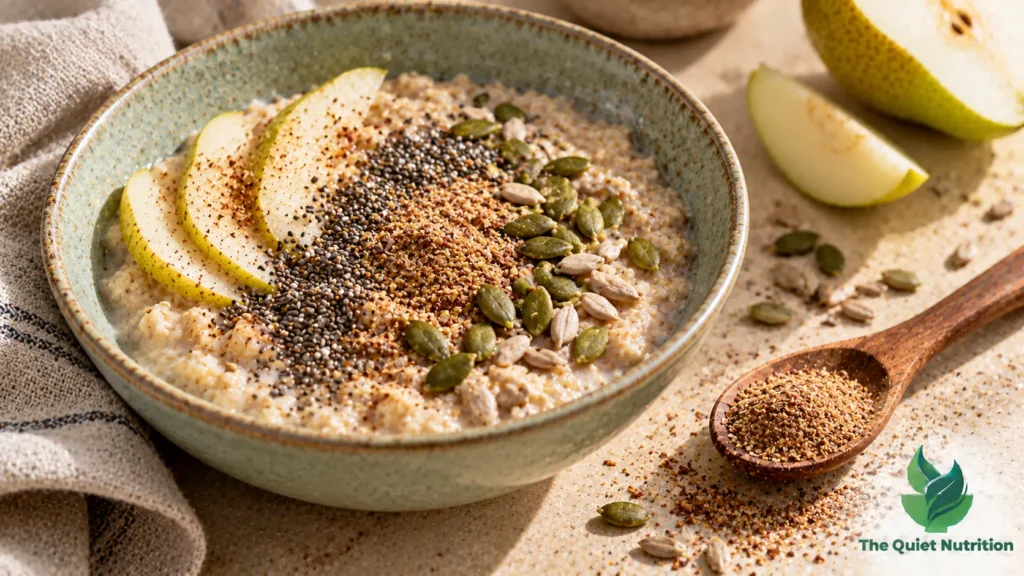
Try stirring a small amount of ground flaxseed into oatmeal, yogurt, or a smoothie. Increase the quantity gradually rather than starting with a large dose.
If constipation persists despite dietary changes, seek medical advice rather than relying on seeds alone.
4. Fiber Provides Food for Gut Microbes
The gut contains a community of microorganisms, including bacteria, that help break down components of food the human body cannot fully digest.
Certain fibers reach the large intestine and are fermented by these microbes. This process produces short-chain fatty acids, including acetate, propionate, and butyrate.
These substances are involved in the gut environment. For example, butyrate is an important energy source for cells lining the colon, while short-chain fatty acids more broadly participate in interactions between the gut, metabolism, and immune function.
This is one reason dietary fiber matters beyond simply helping with bowel movements. It can influence which microbial groups thrive and what substances they produce.
Seeds can contribute to this process, but they are only one source of fermentable or partially fermentable material. Beans, oats, barley, vegetables, fruit, and other plant foods also supply different types of fiber.
Researchers are still studying how specific foods affect the gut microbiome and whether particular microbial changes translate into lasting health improvements.
A diverse, plant-rich diet is therefore a more sensible goal than relying on one seed to increase a particular bacterium or transform the microbiome overnight.
5. They May Help Maintain Softer, More Regular Stools
Fiber can help regulate stool consistency, but its effects depend on the type of fiber, the amount consumed, hydration, and the individual’s digestive health.
Fiber that holds water can help soften stool, while some insoluble fibers add bulk. These actions can make bowel movements easier for many people when low fiber intake is contributing to constipation.
Seeds can fit into this picture, particularly chia and flaxseed. However, increasing fiber too quickly can produce the opposite of the experience people expect. A sudden increase may cause gas, abdominal discomfort, or bloating, especially in people who are sensitive to certain fibers.
For this reason, gradual changes are usually preferable. Begin with a small serving, maintain adequate fluid intake, and increase it according to tolerance.
Water matters because it helps fiber work effectively. Adding more fiber while consistently drinking too little may not improve constipation and can make symptoms worse for some people.
If you have been advised to restrict fluids or follow a specialized diet because of a medical condition, follow your healthcare professional’s guidance.
6. Different Seeds Offer Different Digestive Advantages
Not all seeds affect the diet in the same way. Their nutritional profiles, fiber content, and typical serving sizes vary.
Chia seeds: Particularly rich in fiber and known for forming a gel when hydrated. They are easy to add to porridge, yogurt, and puddings.
Flaxseeds: Provide fiber and plant-based omega-3 fatty acids. Ground flaxseed is convenient for adding to everyday meals.
Pumpkin seeds: Supply protein, unsaturated fats, and minerals, along with some fiber. Shelled kernels have a different fiber profile from whole seeds eaten with their shells.
Sunflower seeds: Provide unsaturated fats, vitamin E, and other nutrients. Their fiber contribution depends on the form and serving.
Sesame seeds: Add fiber, unsaturated fats, and minerals, although a typical sprinkle contributes less fiber than a substantial serving of chia seeds.
These differences are useful when planning meals. If your main aim is to increase fiber, chia or ground flaxseed may be a more concentrated choice than a small sprinkle of sesame seeds. If you want extra protein or minerals, pumpkin and sunflower seeds offer other advantages.
No single seed is essential. Variety allows you to enjoy different flavors and nutrients while avoiding dependence on one ingredient.
7. Seeds Can Make Meals More Satisfying
Seeds contain combinations of fiber, fat, and protein. Together, these nutrients can contribute to a more substantial meal or snack.
For example, adding chia or ground flaxseed to oatmeal increases its fiber content. Sprinkling pumpkin seeds over a vegetable bowl adds texture, protein, and unsaturated fats. Mixing seeds into plain yogurt or pairing them with fruit can also make a snack more varied.
This can be useful when building eating habits around whole or minimally processed foods.
However, seeds should not be described as guaranteed appetite suppressants or weight-loss aids. Feelings of fullness depend on the complete meal, portion size, individual needs, and other factors.
Seeds are also energy-dense. Adding large quantities to every meal can increase calorie intake even when the ingredients are nutritious.
A small, consistent serving is often more practical than assuming that more seeds will always produce better digestive health.
8. Increasing Seed Intake Too Quickly Can Cause Bloating
Fiber is beneficial, but digestive comfort matters too.
When you suddenly introduce much more fiber than your body is accustomed to, gut microbes may ferment additional material and produce more gas. This can lead to bloating, flatulence, or abdominal discomfort.
Some people tolerate chia and flaxseed well, while others notice symptoms even at relatively modest amounts. People with irritable bowel syndrome or other gastrointestinal sensitivities may need to be more cautious about the types and quantities of fiber they eat.
The answer is not necessarily to avoid seeds. Instead, introduce them gradually and observe how your body responds.
For example, start with a small amount of ground flaxseed or hydrated chia, then increase the serving over several days or weeks if it feels comfortable. Avoid increasing several high-fiber foods at once, since that makes it harder to identify what is causing discomfort.
If a particular seed consistently triggers symptoms, reduce or stop it and consider advice from a registered dietitian or healthcare professional.
Persistent abdominal pain, blood in the stool, unexplained weight loss, or a sustained change in bowel habits warrants medical evaluation rather than continued dietary experimentation.
How to Add Seeds to Your Diet
You do not need a special recipe or complicated routine to include seeds. Small additions to familiar foods are often the easiest way to build the habit.
- Breakfast: Add ground flaxseed or hydrated chia to oatmeal, yogurt, or a smoothie.
- Lunch: Sprinkle pumpkin or sunflower seeds over salads and grain bowls.
- Dinner: Add sesame seeds to cooked vegetables, rice dishes, or homemade dressings.
- Snacks: Combine a modest portion of seeds with fruit or plain yogurt.
- Baking: Mix ground flaxseed into homemade whole-grain bread or savoury muffins.
Start with a modest amount and increase gradually. If you are using chia seeds, mix them into enough liquid or moist food rather than swallowing them dry.
It is also worth checking labels on packaged seed mixes. Salted, sweetened, or heavily seasoned products can contain added sodium, sugar, or other ingredients that change the overall nutritional profile.
The Bottom Line
Seeds can support gut health and digestion chiefly by helping you obtain more dietary fiber. Chia seeds absorb water and form a gel, flaxseeds contribute fiber that can support bowel regularity, and other seeds add varying amounts of fiber alongside protein, unsaturated fats, and minerals.
Fiber also provides material that certain gut microbes ferment, producing short-chain fatty acids involved in the intestinal environment. But the effects of individual seeds on gut bacteria and digestive symptoms are not equally well established.
Start with small portions, increase fiber gradually, and drink enough fluid to help it work effectively. Combine seeds with other fiber-rich plant foods rather than relying on one ingredient.
The best approach is not to treat seeds as a digestive cure. It is to use them as part of a varied eating pattern that helps your gut do its ordinary work.
Research sources
- Harvard T.H. Chan School of Public Health — Fiber — explains soluble and insoluble fiber, bowel function, and how fiber fits into a varied diet.
- National Institute of Diabetes and Digestive and Kidney Diseases — Eating, Diet, and Nutrition for Constipation — adult fiber intake guidance, gradual increases, and fluid intake.
- Harvard T.H. Chan School of Public Health — The Microbiome — dietary fiber fermentation, short-chain fatty acids, and the importance of increasing fermentable foods gradually.
- Effects of Flaxseed Supplementation on Functional Constipation: A Randomized Trial — a 4-week study in 90 adults with functional constipation; results concern a specific flaxseed-flour dose, not all seed servings.
- Nuts and Their Effect on Gut Microbiota, Gut Function and Symptoms in Adults: A Systematic Review and Meta-Analysis — helpful context on gut microbiome research; because this review focuses on nuts, it should not be treated as direct proof of effects from all seeds.

Aarti Solanki, B.Sc. (Food Science), is a food science writer passionate about making nutrition simple and evidence-based. She creates well-researched, easy-to-understand articles on healthy eating, food science, and nutrition, using information from trusted scientific and public health sources.