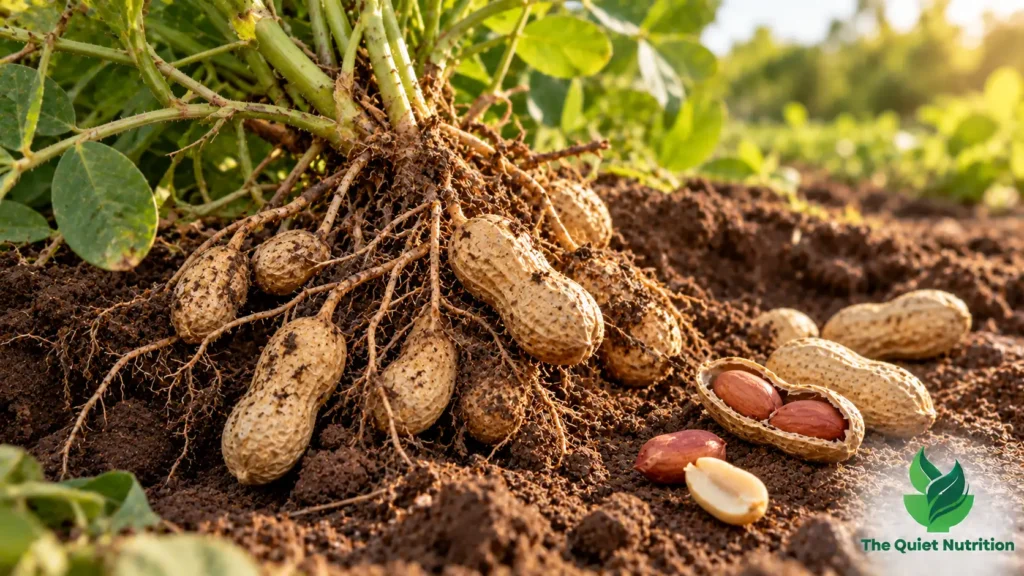
Peanuts are often treated as an inexpensive snack, something to eat between meals or spread on toast. Their nutritional value is easy to underestimate, partly because they cost less than many tree nuts and are widely available in ordinary grocery stores.
Yet peanuts provide a combination that nutrition researchers pay close attention to: plant protein, unsaturated fats, fiber, B vitamins and several minerals. They can also fit into dietary patterns associated with better cardiovascular health.
There is another interesting detail. Despite their name and the way we eat them, peanuts are not technically tree nuts. They are legumes, related botanically to beans, lentils and peas. Their nutritional profile, however, shares several important features with almonds, walnuts and other nuts.
The real story is not that peanuts are a miracle food. It is that this familiar, affordable ingredient can contribute considerably more to a balanced diet than its reputation suggests.
What makes peanuts nutritionally impressive?
A one-ounce (28-gram) serving of plain peanuts provides approximately 160–170 calories, depending on the variety and preparation method.
That serving typically contains around 7 grams of protein, 14 grams of fat and 2–3 grams of fiber. Most of the fat is unsaturated, while the protein makes peanuts a useful plant-based option for everyday meals and snacks.
Peanuts also provide niacin, vitamin E, folate, magnesium, phosphorus and other nutrients involved in normal body function.
The important point is that these nutrients occur together in a compact food. Peanuts are not simply a source of calories from fat; they also provide protein, fiber and micronutrients that many less nutritious snack foods supply in smaller amounts.
1. Peanuts provide substantial plant protein
Protein helps build and maintain muscle, repair tissues and produce enzymes and other substances needed for normal body function.
Peanuts are a useful source of plant protein, supplying approximately 7 grams per ounce. That is a meaningful amount for a small snack, particularly for people who eat relatively little meat or are trying to include more plant-based foods.
Their protein content also makes them useful in combinations that provide a wider range of nutrients.
For example, peanut butter on whole-grain toast supplies protein and unsaturated fats alongside carbohydrates and additional fiber. A small handful of peanuts with fruit can make a snack more substantial than fruit alone.
Peanuts contain all nine essential amino acids, but their proportions do not make peanut protein equivalent to every other protein source in nutritional quality. Combining different protein-containing foods throughout the day can help meet overall needs.
There is no need to create a perfect protein combination at every meal. Variety across the day is the more practical goal.
2. Their unsaturated fats can support a heart-conscious diet
One of the most valuable features of peanuts is their fat composition.
Although peanuts are relatively high in fat, much of it consists of monounsaturated and polyunsaturated fatty acids. Replacing some saturated fat in the diet with unsaturated fat can help improve blood cholesterol levels.
This matters because elevated LDL cholesterol contributes to the buildup of plaque in arteries, increasing cardiovascular risk over time.
Peanuts are not unique in this respect. Almonds, walnuts, seeds, olive oil and other foods also provide unsaturated fats. Their value comes from how they fit into an overall dietary pattern.
A 2023 systematic review and meta-analysis examined randomized controlled trials involving tree nuts and peanuts. Across the combined evidence, nut consumption was associated with improvements in several cardiovascular risk markers, including LDL cholesterol, total cholesterol and triglycerides.
However, the researchers also highlighted limitations in the evidence. Study results varied, and the certainty of evidence differed between outcomes. Because the review combined different nuts and nut products, its overall findings should not be interpreted as proof that peanuts alone produce every observed benefit.
For everyday eating, a sensible strategy is to use plain peanuts or natural peanut butter in place of some snacks rich in saturated fat or added sugar.
3. Peanuts contain fiber that contributes to digestive health
Fiber is another reason peanuts deserve more attention.
A one-ounce serving provides roughly 2–3 grams of dietary fiber. That is not an enormous amount, but it contributes to daily intake while supplying protein and unsaturated fats at the same time.
Dietary fiber supports normal bowel function and can help make meals more satisfying. Certain types of fiber also influence cholesterol absorption and the way food moves through the digestive system.
Peanuts should not be your only source of fiber, however. Beans, lentils, oats, whole grains, vegetables and fruit provide other useful forms and amounts of fiber.
Consider adding crushed peanuts to oatmeal or sprinkling them over a vegetable stir-fry. These simple combinations increase the nutritional variety of the meal without requiring peanuts to do all the work.
If you are increasing your fiber intake, do so gradually and drink enough fluid, especially if your usual diet is low in fiber.
4. They supply nutrients involved in energy metabolism
Peanuts are particularly notable for their niacin content.
Niacin, also known as vitamin B3, helps the body convert nutrients into usable energy. It is involved in cellular processes that allow carbohydrates, fats and proteins to be metabolized.
Peanuts also contain folate, which is required for DNA synthesis and normal cell division, as well as magnesium, which supports hundreds of enzyme reactions involved in energy metabolism, nerve function and muscle function.
These nutrients are not stimulants. Eating peanuts does not produce an immediate energy boost in the way caffeine can make someone feel more alert.
Instead, they help supply the materials the body needs to carry out normal physiological processes.
The broader lesson is that the nutritional value of a food cannot be judged only by its calorie count. A portion of peanuts supplies energy alongside several vitamins, minerals and other useful nutrients.
5. Peanuts contain vitamin E and other plant compounds
Peanuts provide vitamin E, a fat-soluble vitamin that helps protect cell membranes from oxidative damage.
They also contain naturally occurring plant compounds, including polyphenols. Peanut skins are particularly rich in some of these compounds, although the amount retained depends on the variety and processing method.
Researchers have investigated the antioxidant properties of these substances and their potential relationship with cardiovascular and metabolic health.
It is important, however, to distinguish a biological mechanism from a proven health outcome. Demonstrating that a compound has antioxidant activity in a laboratory does not establish that eating peanuts prevents chronic disease.
Peanuts can contribute vitamin E and plant compounds to the diet, but there is insufficient evidence to claim that they independently prevent cancer, reverse aging or act as a treatment for inflammation.
Their nutritional value is meaningful without making those claims.
6. Eating peanuts does not automatically lead to weight gain
Peanuts are energy-dense, providing roughly 160–170 calories per ounce. This can make people cautious about including them in a weight-conscious diet.
But calorie density alone does not determine whether a food causes weight gain.
Peanuts contain protein, fiber and fat, which can contribute to fullness. Their texture also requires chewing, and whole peanuts may be eaten more slowly than some highly processed snack foods.
Research examining peanut consumption and cardiovascular risk factors has generally not found a consistent adverse effect on body weight. A 2020 systematic review and meta-analysis of 13 randomized controlled trials found no statistically significant overall effect of peanut consumption on body weight, BMI or waist circumference.
That finding does not mean unlimited peanut consumption cannot contribute to excess energy intake. The trials varied in their interventions, and individual eating habits still matter.
A useful approach is to consider what the peanuts replace. A measured portion instead of a less satisfying snack may fit comfortably into a balanced diet. Adding several handfuls on top of an already sufficient diet is a different situation.
You do not need to avoid peanuts because they contain fat. Portion size and overall eating patterns are more useful considerations.
7. They are an affordable way to add nutritional variety
Nutrition advice often emphasizes foods that can be expensive or inconvenient to obtain regularly. Peanuts offer a practical alternative.
They are widely available, generally shelf-stable when stored properly, and can be eaten with little preparation. Peanut butter also provides a convenient option for people who want a spread that supplies protein and unsaturated fats.
Affordability matters because healthy eating is not just about identifying nutritious foods. It is also about choosing foods that people can realistically buy, prepare and enjoy over time.
Peanuts can be added to rice dishes, salads, oatmeal, yogurt, sauces and vegetable stir-fries. They can also be combined with beans, whole grains and vegetables in meals that provide a broad range of nutrients.
The best nutritional routine is often one that is simple enough to maintain.
Are peanuts as healthy as almonds or walnuts?
Peanuts compare favourably with many tree nuts, but each has a slightly different nutritional profile.
| Food | Notable nutritional features |
|---|---|
| Peanuts | Plant protein, niacin, folate and unsaturated fats |
| Almonds | Vitamin E, fiber and magnesium |
| Walnuts | Alpha-linolenic acid, a plant-based omega-3 fat |
| Pistachios | Protein, fiber, vitamin B6 and carotenoids |
| Cashews | Magnesium, copper and unsaturated fats |
These differences do not establish that one nut is universally healthiest. The most appropriate choice depends on your preferences, nutritional needs, budget and how the food fits into your overall diet.
Peanuts have one practical advantage: they can provide many of the nutritional features associated with nuts at a relatively accessible price.
You can rotate peanuts with other nuts and seeds rather than committing to a single variety.
Does roasting change the nutritional value of peanuts?
Roasting changes the flavour, texture and aroma of peanuts. Depending on the method, it can also affect the amounts of certain heat-sensitive compounds.
Plain roasted peanuts remain a nutritious option. Dry-roasted and oil-roasted varieties differ in preparation, but neither should automatically be considered unhealthy.
The more important distinction is often what is added during processing.
Salted peanuts can contribute substantial sodium, while some flavoured varieties contain added sugar, coatings or additional oils. These ingredients do not make every flavoured product unsuitable, but they are worth checking on the label.
Peanut butter deserves similar attention. Products made primarily from peanuts may contain little or no added sugar or salt, whereas other varieties include additional ingredients.
Choose the version that fits your dietary preferences and needs. There is no requirement to eat peanuts raw to obtain their nutritional benefits.
How much peanuts should you eat?
A practical serving for many adults is around 1 ounce (28 grams), or a small handful of shelled peanuts.
This is a convenient portion rather than a medically established dose that guarantees a specific health outcome.
You can include peanuts in several everyday ways:
- Eat a small handful of plain or unsalted peanuts as a snack.
- Spread peanut butter on whole-grain toast.
- Add crushed peanuts to a vegetable stir-fry.
- Stir a spoonful of peanut butter into oatmeal.
- Use chopped peanuts to add texture to salads or grain bowls.
Peanut butter can be particularly convenient, but remember that a generous spoonful may contain more than one serving. If you are monitoring calorie intake, measuring the portion can help.
There is no special time of day when peanuts must be eaten. The quality and overall balance of your diet matter more than precise timing.
Who should be careful with peanuts?
Peanuts are nutritious for many people, but there are important exceptions.
People with peanut allergies: Peanut allergy can cause severe, potentially life-threatening reactions. Anyone with a diagnosed peanut allergy should avoid peanuts and follow their prescribed allergy-management plan.
People managing sodium intake: Choose unsalted or lower-sodium varieties when appropriate, and check the nutrition label.
People managing calorie intake: Peanuts are energy-dense, so portion size matters if you are trying to maintain a particular energy intake.
People choosing peanut butter: Check the ingredients for added sugar, salt and oils if these are relevant to your dietary goals.
There is no general reason for healthy adults to avoid peanuts simply because they contain fat or calories. For people who tolerate them, moderate portions can fit into a varied diet.
The bottom line
Peanuts deserve more recognition than they often receive. They provide plant protein, mostly unsaturated fats, fiber, niacin, folate, magnesium and other nutrients in an affordable, convenient food.
Research on peanuts and nuts more broadly suggests potential benefits for cardiovascular risk markers, although the evidence varies by outcome and does not establish that peanuts alone prevent heart disease.
The simplest way to benefit from their nutritional profile is to include a modest portion as part of a balanced diet, ideally replacing a less nutritious snack rather than automatically adding extra calories.
Peanuts do not need to be expensive, exotic or marketed as a superfood to be worthwhile. Their real advantage is that they make nutrient-rich eating accessible, practical and easy to maintain.
Scientific sources
1. Harvard T.H. Chan School of Public Health — Peanuts. Explains why peanuts are legumes, their nutritional composition and their place in a balanced diet. Read Harvard’s overview.
2. Houston et al. (2023) — “Tree Nut and Peanut Consumption and Risk of Cardiovascular Disease: A Systematic Review and Meta-Analysis of Randomized Controlled Trials.” Reviews cardiovascular risk markers across randomized trials involving tree nuts and peanuts. Read the full review.
3. Jafari Azad et al. (2020) — “Peanut and cardiovascular disease risk factors: A systematic review and meta-analysis.” Examines randomized trials of peanut consumption and outcomes including cholesterol, blood pressure and body weight. Read the study on PubMed.
4. Parilli-Moser et al. (2022) — “Effect of Peanut Consumption on Cardiovascular Risk Factors: A Randomized Clinical Trial and Meta-Analysis.” Assesses evidence relating peanut intake to cardiovascular risk factors and discusses limitations in the evidence. Read the full study.
5. USDA FoodData Central. Official nutrient composition database for peanuts and peanut butter, including energy, protein, fats, fiber and micronutrients. Search the USDA database.

Aarti Solanki, B.Sc. (Food Science), is a food science writer passionate about making nutrition simple and evidence-based. She creates well-researched, easy-to-understand articles on healthy eating, food science, and nutrition, using information from trusted scientific and public health sources.