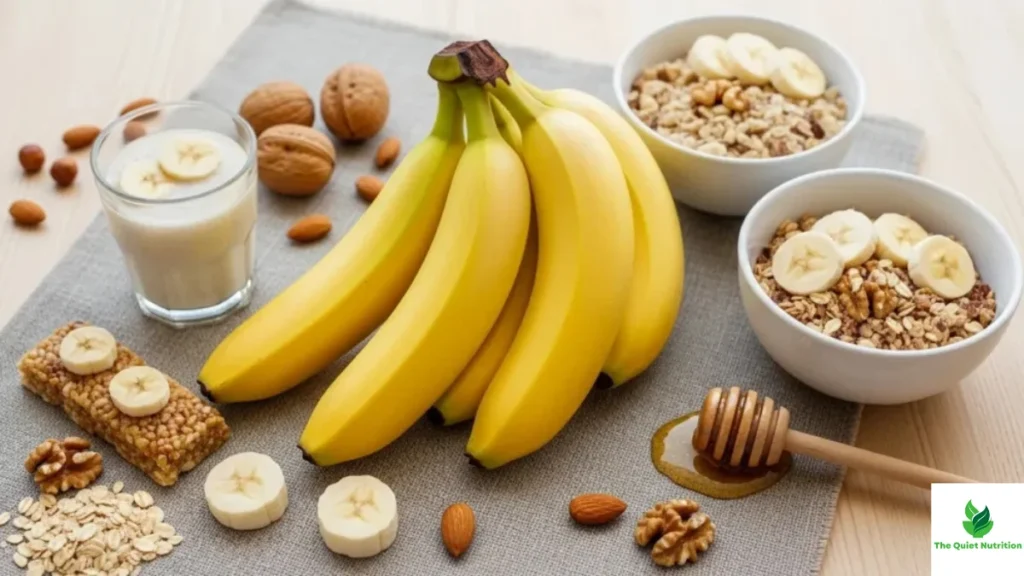
Reach for a banana and you’re grabbing more than a quick snack. This unassuming fruit is one of the most researched natural energy sources on the planet — used by elite athletes, sleep scientists, and dietitians alike. Here’s what actually happens in your body when you eat one, and why it might outperform the sports drink in your gym bag.
Your Body Gets Fast-Acting, Steady Fuel
A medium banana delivers around 27 grams of carbohydrates, mostly in the form of natural sugars balanced by fiber. Unlike refined sugar, which spikes and crashes your blood sugar, the fiber in bananas slows that release, giving you a steadier stream of energy rather than a jolt followed by a slump.
This is why bananas are a go-to pre-workout snack for endurance athletes. The carbohydrates help top off glycogen stores — your muscles’ primary fuel reserve — which can reduce the risk of hitting a wall during long bouts of exercise.
Your Muscles Get Direct Support From Potassium
Bananas are famous for their potassium content, and for good reason. A medium banana provides roughly 320 to 420 milligrams of potassium, an electrolyte essential for muscle contraction, nerve signaling, and preventing cramps during exercise. This is part of why bananas are handed out at marathon finish lines and packed into gym bags worldwide.
Potassium also plays a role in heart health. Diets rich in potassium have been linked to lower blood pressure, and some research suggests high-potassium eating patterns may lower heart disease risk by roughly a quarter.
Your Recovery Speeds Up After Exercise
The energy benefits of bananas don’t stop when your workout ends. After intense activity, your muscles use the carbohydrates in bananas to rebuild glycogen stores and begin repairing muscle fibers. One study on cyclists found that eating bananas during a long-distance race performed comparably to a popular sports drink for maintaining performance, while also boosting antioxidant capacity thanks to natural compounds in the fruit.
Your Brain Gets a Boost, Too
Bananas contain vitamin B6, a nutrient your body uses to help produce energy and regulate mood-related brain chemicals like serotonin and dopamine. This is part of the reason bananas are often described as a natural mood-support food, not just a muscle-fuel one. The magnesium in bananas adds to this effect, supporting healthy brain and nervous system function alongside heart health.
Your Gut Bacteria Benefit From What You Can’t Digest
Depending on ripeness, bananas contain resistant starch — a type of fiber your body can’t break down in the small intestine. Instead, it travels to the colon, where it feeds beneficial gut bacteria and helps produce short-chain fatty acids that support gut health. Green, less-ripe bananas contain the most resistant starch, while ripe bananas trade some of that starch for easily digestible natural sugar — which is part of why a green banana feels different in your body than a ripe one.
Your Hunger Stays More Controlled
The fiber and resistant starch in bananas slow digestion, which helps you feel fuller for longer. That combination of steady energy release and appetite control is one reason bananas are frequently recommended as a weight-management-friendly snack, despite their natural sugar content.
The Timing Twist Most People Miss
Here’s the overlooked detail: when you eat your banana matters. Because bananas can raise blood glucose and insulin levels, eating one too close to bedtime may work against good sleep for people sensitive to blood sugar swings. Sleep researchers generally recommend saving bananas for earlier in the day or right before physical activity, when your body can immediately put that energy to use, rather than as a late-night snack.
So, Why Are Bananas the “Perfect” Energy Food?
It’s the combination that makes bananas stand out — fast and steady carbohydrates, muscle-supporting potassium, mood-related B vitamins, gut-friendly resistant starch, and portability that beats almost any other whole food. Few snacks pack that much functional benefit into something you can eat in under a minute, no prep required.
Sources
- Cleveland Clinic – Are Bananas Good for You? 6+ Health Benefits
- Healthline – Bananas: Nutrition Facts and Health Benefits
- Live Science – Bananas: Facts, Benefits and Nutrition
- NASM – Banana Nutrition Facts: Get Your Potassium Today
- Tuasaude – Are Bananas Good For You? 12 Benefits, Nutrition & Recipes
- HealthifyMe – Health Benefits of Bananas

Aarti Solanki, B.Sc. (Food Science), is a food science writer passionate about making nutrition simple and evidence-based. She creates well-researched, easy-to-understand articles on healthy eating, food science, and nutrition, using information from trusted scientific and public health sources.


Pingback: What Happens When You Eat Papaya Every Week (The Health Benefits Surprise Most People)
Pingback: Almonds Are a Daily Superfood — Here’s Why Your Body Loves Them