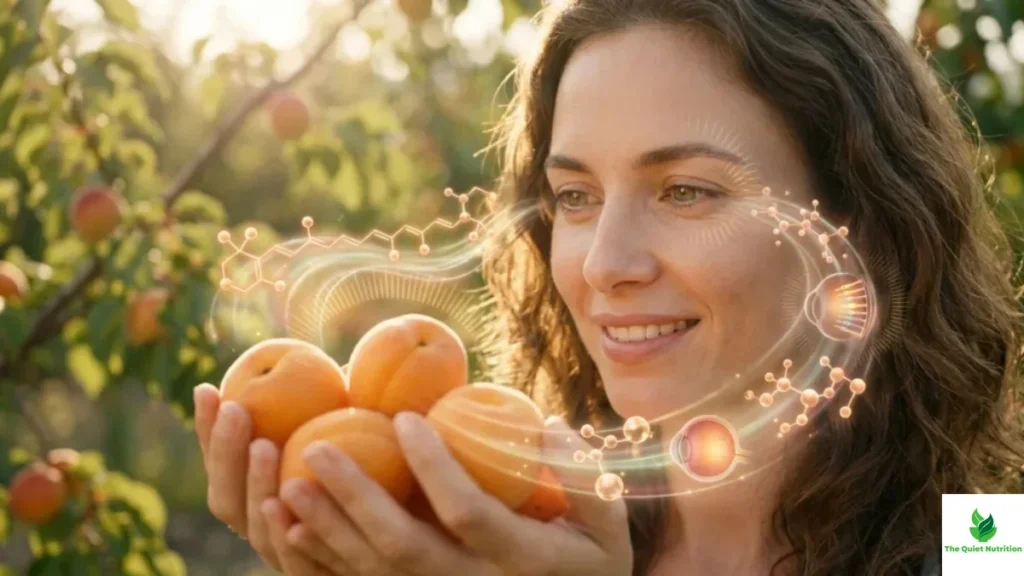
You protect your eyes with sunglasses. You reduce screen time (or try to). But one of the most powerful things you can do for your vision might already be at your local market — blushing orange, sweet, and wildly underrated.
Most people reach for carrots when they think about eye-friendly foods. That’s fair. But if you’ve been overlooking apricots, your eyes have been missing out on a nutritional powerhouse that science is only beginning to fully appreciate.
This isn’t just about vitamins. It’s about protecting your vision now — and for decades to come.

Why Your Eyes Need More Than Just Rest
Every day, your eyes process millions of images, manage dramatic shifts in light, and fight off free radical damage caused by UV rays and screen exposure. That’s an enormous physiological workload.
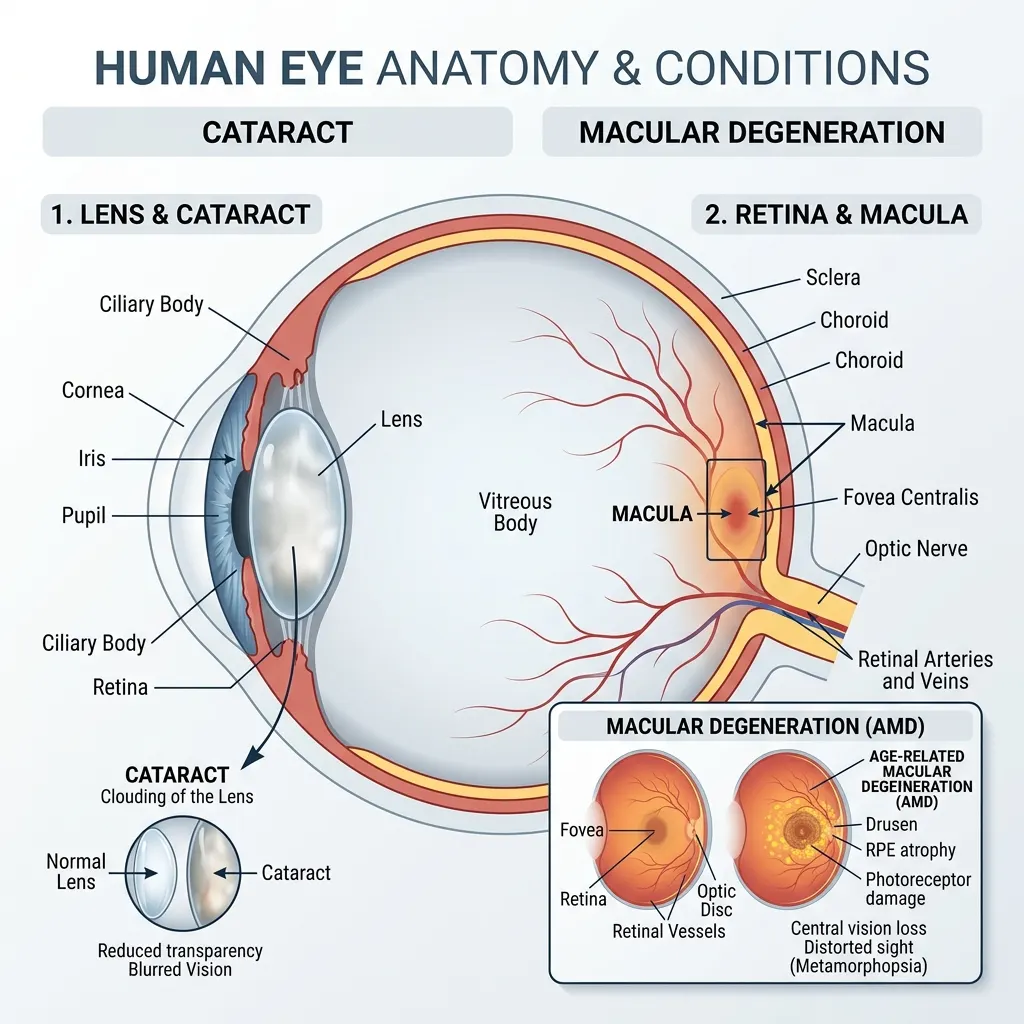
Over time, this oxidative stress accumulates. It’s one of the primary drivers behind:
- Age-related macular degeneration (AMD) — the leading cause of vision loss in adults over 50
- Cataracts — clouding of the eye’s lens that affects over 24 million Americans
- Dry eye syndrome — chronic discomfort that worsens with age and screen use
- Night blindness — reduced ability to see in low light conditions
Here’s where apricots quietly walk in and change everything.
“3 apricots provide roughly 50% of your recommended daily intake of beta-carotene — the primary precursor to vitamin A, critical for retinal health.”
The Eye-Protective Nutrients Packed Inside Every Apricot
Apricots are small, but their nutritional profile is extraordinary. What makes them especially relevant to eye health is a specific cluster of nutrients that work both independently and synergistically.
1. Beta-Carotene: Your Retina’s Best Friend
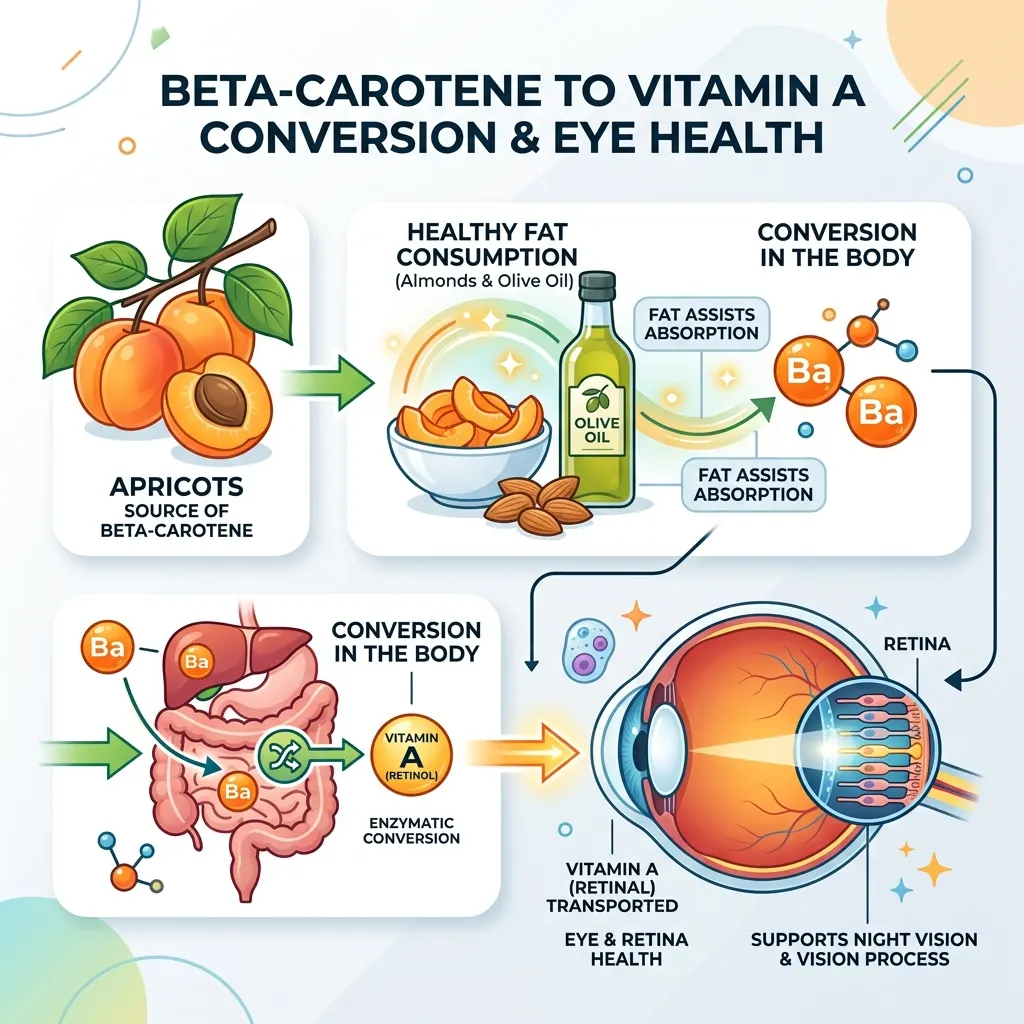
Beta-carotene is the orange pigment that gives apricots their distinctive color. In the body, it converts to vitamin A — an essential nutrient for the production of rhodopsin, the pigment in your eyes that enables vision in dim light.
Without adequate vitamin A, the first thing you lose is your ability to see well at night. Over time, deficiency can lead to more serious conditions including corneal damage and complete blindness in severe cases.
Hidden TipPair apricots with a small amount of healthy fat — like a few almonds or a drizzle of olive oil — to maximize beta-carotene absorption. It’s a fat-soluble nutrient, which means fat dramatically improves how much your body actually uses.
2. Lutein and Zeaxanthin: The Macular Guardians
These two carotenoids are found in high concentrations in the macula — the central part of your retina responsible for sharp, detailed vision. Think of them as internal sunglasses for your eyes.
Research published in journals including JAMA Ophthalmology and studies by the National Eye Institute have consistently linked higher dietary intake of lutein and zeaxanthin with a reduced risk of age-related macular degeneration and cataracts.
Apricots contain both — and unlike some supplements, they come packaged with the cofactors your body needs to use them effectively.
3. Vitamin C: Antioxidant Armor
The lens of your eye is particularly vulnerable to oxidative damage. Vitamin C is one of the primary antioxidants concentrated in ocular fluid, helping neutralize free radicals before they cloud your lens or damage the retina.
Studies have shown that people with higher vitamin C intake have significantly lower rates of cataract progression. One medium apricot delivers a modest but meaningful contribution — and when eaten regularly, it adds up.
4. Vitamin E: The Long-Game Protector
While apricots aren’t the richest source of vitamin E, they do contribute to your daily intake. This fat-soluble antioxidant works synergistically with vitamin C and beta-carotene to create multi-layered protection against the oxidative stress that damages eye tissue over decades.
5. Potassium and Hydration Support
Apricots are approximately 86% water by weight and are a good source of potassium. Hydration plays a direct role in tear production — and adequate tear film is what stands between you and the growing epidemic of dry eye syndrome.
Apricots vs. Other Eye-Health Foods: How Do They Compare?
| Food | Key Eye Nutrient | Strength | What Apricots Add |
|---|---|---|---|
| Carrots | Beta-carotene | High beta-carotene content | Apricots match well + add lutein & zeaxanthin |
| Spinach / Kale | Lutein & zeaxanthin | Richest known source | Apricots complement with vitamin C & hydration |
| Blueberries | Anthocyanins | Circulation & night vision | Apricots offer beta-carotene blueberries lack |
| Eggs | Lutein & zeaxanthin (bioavailable) | Highly bioavailable lutein | Eating apricots with eggs boosts absorption |
| Sweet Potatoes | Beta-carotene | Very high beta-carotene | Apricots are lower calorie, portable, raw-ready |
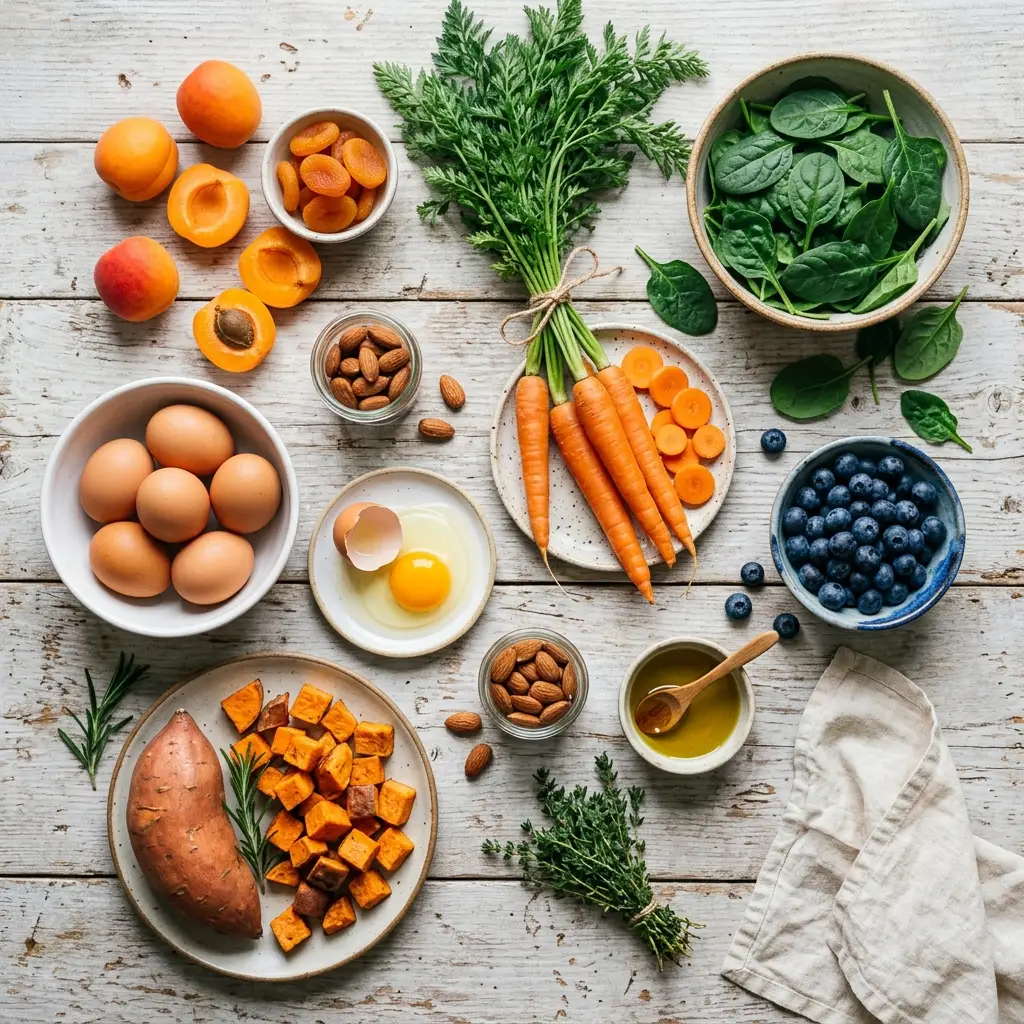
The takeaway? Apricots aren’t trying to replace anything. They’re one of the most versatile additions to an eye-protective diet — fresh, dried, or cooked.
The Real-Life Picture: What Happens When You Eat Them Consistently
Consider someone who switches from a mid-morning snack of crackers to 3–4 fresh apricots daily. Over weeks and months, the cumulative beta-carotene and antioxidant load starts to meaningfully shift. It’s not a dramatic overnight transformation — eye health rarely is. But the steady, compounding protection is exactly the kind of thing that matters at 60, 70, and beyond.
Nutritionists often describe this as “dietary banking” — small, consistent deposits of the right nutrients that pay dividends in long-term organ health.
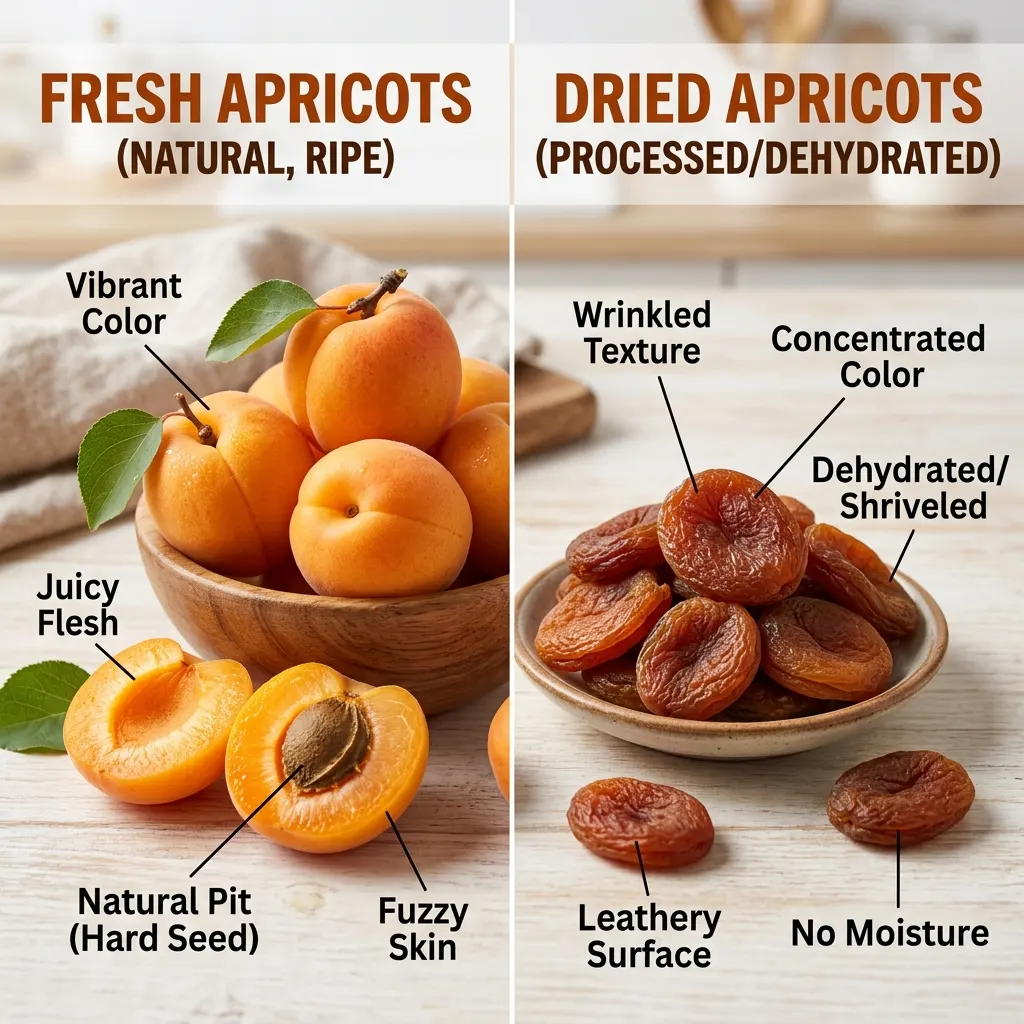
Dried Apricots: A Word of Caution
Dried apricots can be a concentrated source of beta-carotene, but they also come with significantly more sugar per gram — and many commercial varieties are treated with sulfur dioxide (a preservative) that some people are sensitive to. Choose unsulfured dried apricots where possible, and keep portion sizes to about 4–5 pieces.
Mistake to Avoid: Don’t assume dried apricots are always healthier. Some have added sugars and preservatives. When fresh apricots are in season, always prioritize them. Off-season, unsulfured dried apricots are your next best choice.
5 Simple Ways to Eat More Apricots for Eye Health
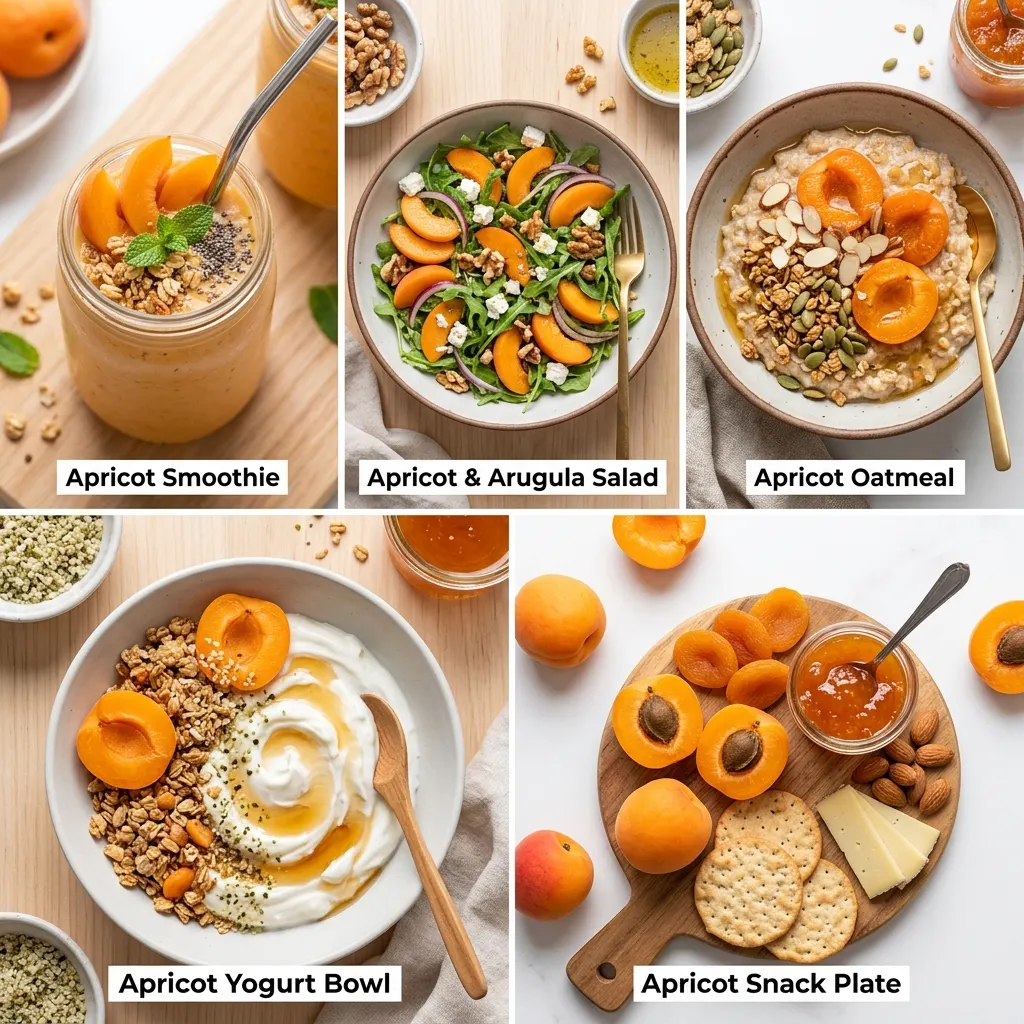
- Morning smoothie: Blend 3 fresh apricots with spinach, a tablespoon of flaxseed, and almond milk — you’re combining multiple eye-protective nutrients in one glass.
- Mid-day snack: Eat 3–4 fresh apricots with a small handful of walnuts. The healthy fat improves beta-carotene absorption instantly.
- Salad topping: Slice dried apricots into a kale or arugula salad with olive oil dressing — lutein, zeaxanthin, fat-soluble vitamins, all working together.
- Oatmeal add-in: Chop fresh or dried apricots into oatmeal with a sprinkle of turmeric — a warm, anti-inflammatory breakfast that supports eye tissue.
- Evening snack: A small bowl of plain yogurt with diced apricots and a drizzle of honey provides vitamin C, probiotics, and natural hydration before bed.
Actionable Tip: Aim for 3–5 fresh apricots three to four times a week as part of a varied diet. Consistency over months — not days — is what builds meaningful eye health protection.
Why This Matters More Now Than Ever
Screen time is at an all-time high. UV exposure continues to rise. And age-related eye conditions are becoming more prevalent across younger demographics than ever before.
At the same time, ultra-processed foods have displaced nutrient-rich produce from many people’s daily diets. The gap between what our eyes need and what we’re feeding them has quietly widened.
Apricots aren’t a cure. No single food is. But they represent something powerful: an accessible, affordable, delicious way to start closing that gap — today, not someday.
The best time to start protecting your vision with food was decades ago. The second best time is your next grocery run.
Key Takeaways
- Apricots are rich in beta-carotene, which the body converts to vitamin A — essential for retinal health and night vision.
- Their lutein and zeaxanthin content helps protect the macula against age-related degeneration.
- Vitamin C in apricots fights oxidative damage to the eye’s lens, reducing cataract risk over time.
- Pairing apricots with healthy fats significantly boosts absorption of fat-soluble eye nutrients.
- Fresh apricots are preferable to dried — choose unsulfured dried varieties if fresh aren’t available.
- Consistent intake over months — not days — is what builds meaningful long-term eye protection.
Frequently Asked Questions
1. How many apricots should I eat per day for eye health benefits?
Three to five fresh apricots per day is a reasonable target. This provides a meaningful dose of beta-carotene without excessive sugar intake. Pair them with a small amount of healthy fat for maximum nutrient absorption.
2. Are dried apricots as good as fresh ones for your eyes?
Dried apricots retain most of the fat-soluble nutrients like beta-carotene, but they’re more calorie-dense and often contain added sugars or sulfur dioxide preservatives. Fresh apricots are preferable. If using dried, choose unsulfured varieties and limit to 4–6 pieces per serving.
3. Can apricots help with macular degeneration specifically?
Apricots contain lutein and zeaxanthin, which are the two carotenoids most directly linked to macular protection in research studies. While apricots alone can’t prevent or reverse AMD, including them as part of a diet rich in colorful fruits and vegetables is consistently associated with lower risk of progression.
4. What’s the best way to eat apricots to maximize eye health benefits?
Eat them fresh, at room temperature (cold can slightly suppress flavor and bioavailability), and alongside a source of healthy fat — walnuts, almonds, avocado, or olive oil all work well. This combination significantly improves the absorption of fat-soluble nutrients like beta-carotene and vitamin E.
5. Do apricots help with dry eyes?
Indirectly, yes. Apricots support hydration due to their high water content and potassium, both of which contribute to adequate tear production. Vitamin A deficiency is also a known driver of dry eye, and apricots help maintain healthy vitamin A levels through their beta-carotene content.
Final Thought
There’s something quietly remarkable about foods that take care of us without asking for attention. Apricots have been nourishing human bodies for thousands of years — and modern nutritional science keeps confirming what ancient wisdom already seemed to know.
Your eyes don’t announce their needs loudly. They just do their work, every waking hour, for your entire life. Feeding them well — with foods like apricots — is one of the most respectful things you can do for them.
Start small. Add three apricots to your next grocery list. Your future self — especially the one who still wants to read fine print and recognize faces across a room — will thank you.

Aarti Solanki, B.Sc. (Food Science), is a food science writer passionate about making nutrition simple and evidence-based. She creates well-researched, easy-to-understand articles on healthy eating, food science, and nutrition, using information from trusted scientific and public health sources.

Pingback: Spinach Is More Powerful Than You Think — The Hidden Nutrients Inside Every Leaf