
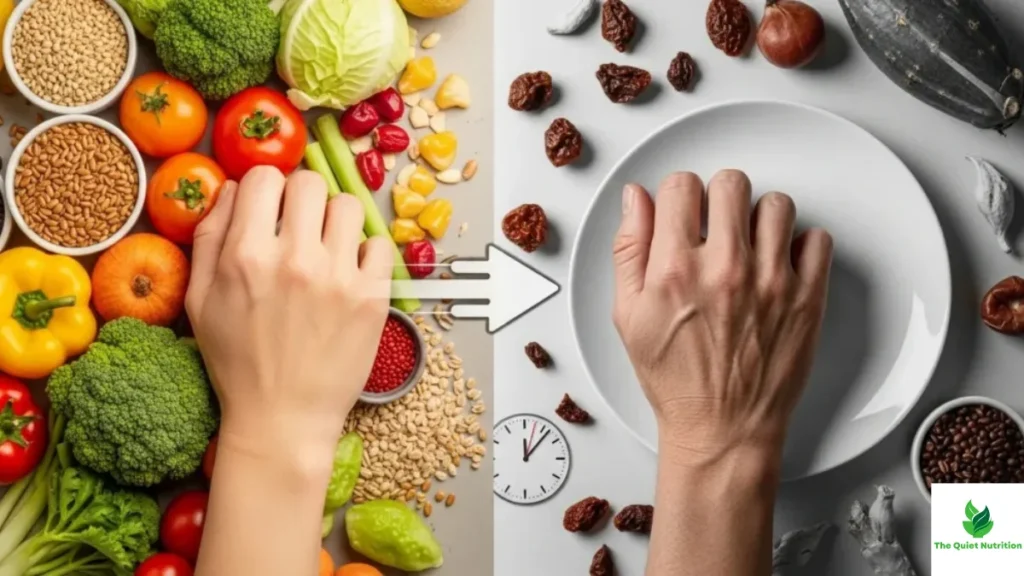
Most people picture aging as something that shows up later in life — gray hair in your 50s, aching knees in your 60s, maybe a few more doctor visits after that. But here’s the part almost nobody tells you: the biological process of aging doesn’t wait for a milestone birthday. It starts quietly in your 20s and 30s, long before you feel any different.
That gap between when aging begins and when you actually notice it is exactly why so many people feel blindsided later in life. The changes were happening the whole time. You just couldn’t see them yet.
Aging Isn’t an Event — It’s a Slow Drift
There’s no single switch that flips and turns a young, resilient body into an aging one. Instead, aging is better understood as a gradual drift — small, almost invisible shifts that accumulate over decades.
Scientists studying longevity often describe this using the idea of “hallmarks of aging” — things like slower cell repair, gradual loss of muscle mass, reduced efficiency in how the body handles stress and inflammation, and subtle changes in hormone levels. None of these show up as symptoms at first. They just quietly chip away at your body’s baseline resilience.
This is why someone can look and feel perfectly fine at 28 while, biologically, some of these processes have already been in motion for years.
Muscle Loss Starts Way Earlier Than People Assume
One of the clearest examples is muscle. Most people associate muscle loss with old age, but research shows adults can begin losing muscle mass gradually starting around their 30s, with the rate slowly increasing over time if there’s no strength training or adequate protein intake to counter it.
At first, this loss is so slow it’s basically unnoticeable. You don’t wake up one day noticeably weaker. But it adds up — which is part of why physical tasks that felt effortless in your 20s can start requiring more intention decades later.
The encouraging part? Muscle responds to effort at any age. This isn’t a decline you’re powerless against — it’s one that resistance training and enough protein can meaningfully slow down.
Your Skin, Joints, and Metabolism Are Already Changing Too
Skin is one of the most visible examples once you know what to look for. Collagen production — the protein that keeps skin firm and elastic — starts gradually declining in your mid-20s, well before any visible lines appear. The visible signs come later, but the underlying shift starts earlier than most people expect.
Metabolism follows a similar quiet pattern. Rather than a dramatic slowdown at a specific age, research increasingly suggests metabolic rate stays fairly stable through most of adulthood and only meaningfully declines much later in life — but the way your body uses that energy, including how efficiently it manages blood sugar and fat storage, can start shifting earlier depending on activity levels, sleep, and diet.
Joints, too, undergo slow structural changes long before any stiffness is felt, as cartilage gradually becomes less resilient to daily wear.
Why This Actually Matters (And Isn’t Meant to Scare You)
None of this is meant to sound alarming. It’s meant to reframe how you think about aging. If the process starts decades earlier than symptoms appear, that means you have a much longer window to influence how it unfolds than most people assume.
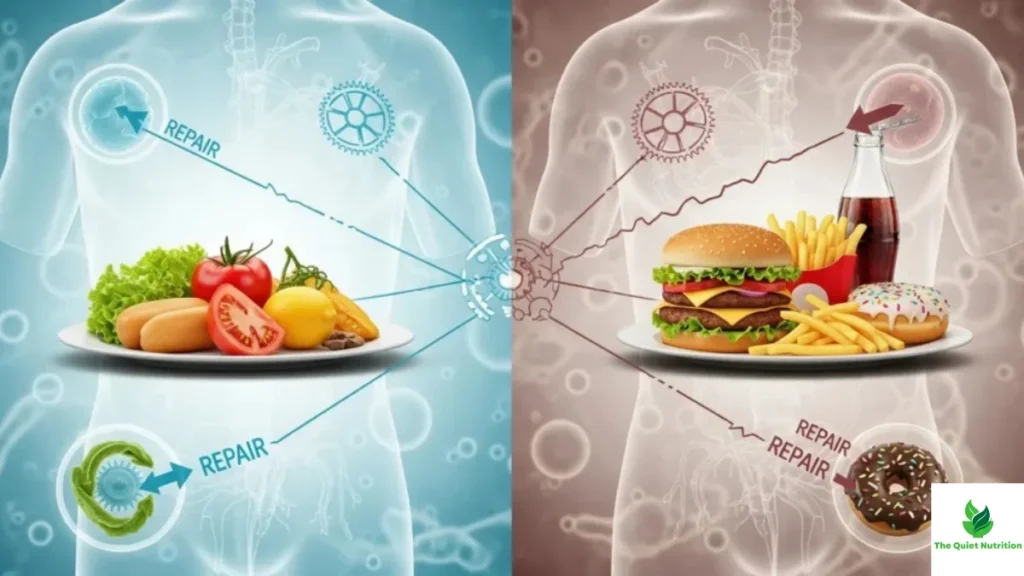
The habits that protect long-term function — regular movement, strength training, enough protein and micronutrients, quality sleep, and stress management — work best when they start before you notice any decline, not after. Waiting until your knees hurt or your energy drops to start caring about these basics means you’re already playing catch-up on changes that began years earlier.
This is essentially the difference between prevention and damage control. Prevention is quieter, less dramatic, and far more effective.
The Real Takeaway
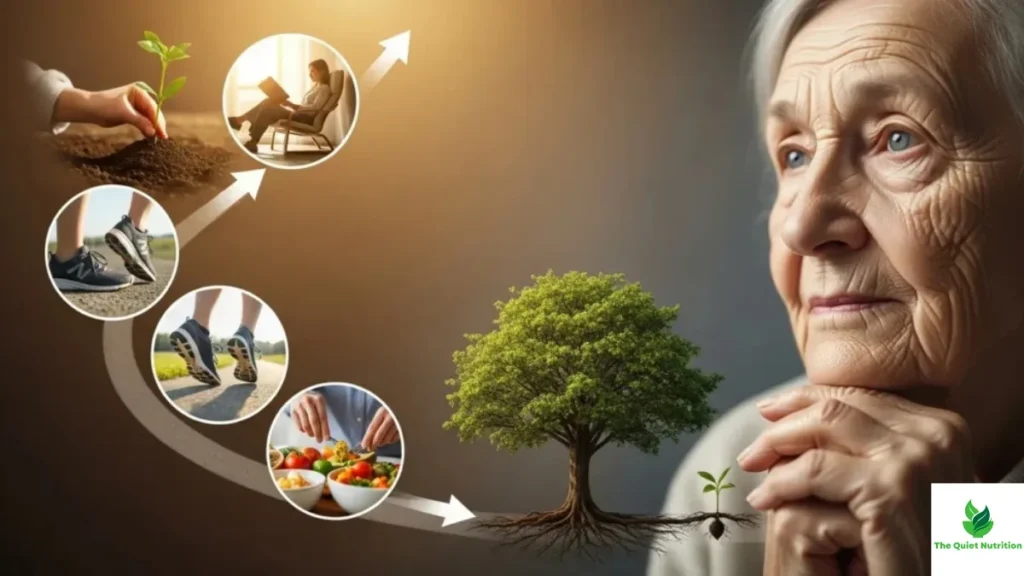
Aging isn’t something that suddenly begins when you hit a certain age — it’s something that’s been unfolding in the background your whole adult life. The people who tend to feel strongest and most capable later in life usually aren’t the ones who found a secret in their 60s. They’re the ones who treated their 30s and 40s as the actual starting line.
You don’t need to overhaul your life overnight. You just need to stop waiting for symptoms to show up before you start paying attention. By the time you feel “old,” the groundwork was laid decades earlier — which means the groundwork for aging well can start today, regardless of what age you’re starting from.
Source: National Institute on Aging – What Causes Aging?

Aarti Solanki, B.Sc. (Food Science), is a food science writer passionate about making nutrition simple and evidence-based. She creates well-researched, easy-to-understand articles on healthy eating, food science, and nutrition, using information from trusted scientific and public health sources.





Pingback: How Nutrition Shapes the Body’s Baseline Health — The Invisible Foundation That Determines How You Feel Every Day