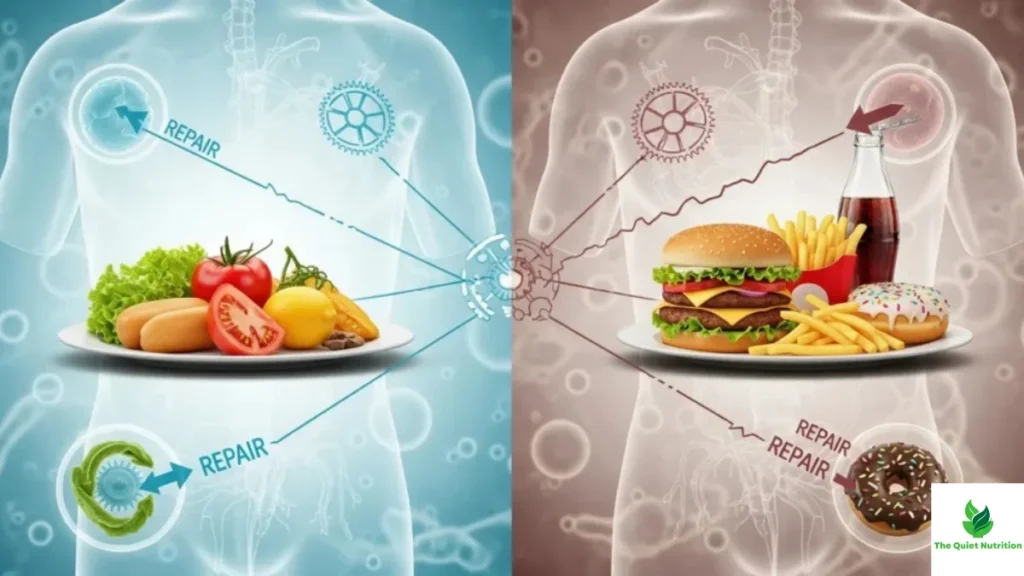
A diagnosis often arrives like a plot twist. One day you feel fine; the next, a blood test or a scan reveals high cholesterol, prediabetes, or something worse. It’s natural to think of it as sudden — a switch that flipped. But the science tells a very different story. Almost none of these conditions actually start on the day they’re found. They’ve usually been building, quietly, for years or decades.
Heart Disease Starts Astonishingly Early
The clearest evidence for this comes from one of the most striking findings in cardiovascular research: atherosclerosis — the buildup of fatty deposits in artery walls that eventually causes heart attacks and strokes — begins far earlier than almost anyone expects.
The Bogalusa Heart Study, a landmark project that followed nearly 14,000 people from birth through adulthood, established that the major adult cardiovascular diseases actually begin in childhood, with autopsy data showing coronary lesions present in early life. A companion effort, the Pathobiological Determinants of Atherosclerosis in Youth (PDAY) Study, examined arteries from around 3,000 people aged 15 to 34 who had died of unrelated causes — and found intimal lesions, the earliest stage of atherosclerosis, present in essentially all of their aortas and in more than half of their right coronary arteries, in some cases in subjects as young as 7 to 9 years old.
As one review summarized it, the atherosclerotic process evolves over decades and begins as early as childhood — long before cholesterol numbers or symptoms would ever prompt a doctor’s visit.
Deficiencies Hide Below the Radar for Years
A similar pattern shows up with nutrient status. Researchers distinguish between clinical deficiencies — the kind severe enough to cause visible symptoms — and subclinical deficiencies, where nutrient levels sit within a technically normal lab range but aren’t sufficient for the body to function optimally. A population-based study of older adults in Germany found that subclinical deficiencies in vitamin D, folate, vitamin B12, and iron were common enough to be described as a form of “hidden hunger” affecting an estimated 2 billion people worldwide, with meaningful links to age-related chronic disease.
The insidious part is how long these deficiencies can operate unnoticed. One clinical review focused on medication-related nutrient depletion noted that this kind of gradual micronutrient loss can develop over months or even years, often without ever presenting in the way textbooks describe — which is part of why it goes undiagnosed for so long even by attentive clinicians.
Even “Sudden” Cardiovascular Symptoms Have a Backstory
This pattern extends into young adulthood too. A recent study examining vitamin D deficiency in young adults in Pakistan found associations between low vitamin D levels and subclinical cardiovascular symptoms — issues like palpitations, shortness of breath, and unexplained fatigue that show up before any diagnosable heart disease exists. The researchers noted that this age group is specifically important because early cardiovascular risk factors can develop well before they become clinically diagnosed, while people are still establishing the diet and lifestyle habits that will shape their long-term risk.
That’s the throughline across this research: the body tends to send early, quiet signals — a symptom here, a lab value drifting slightly, a level of fatigue that seems to have no clear cause — long before it produces something a standard diagnostic test flags as abnormal.
Why This Matters More Than It Seems
If chronic disease and deficiency both build slowly and silently, it reframes a few common assumptions people carry about their own health:
A clean bill of health today isn’t necessarily a guarantee about tomorrow’s trajectory. The Bogalusa and PDAY findings show that the underlying process behind heart disease can already be present in people who look and feel completely healthy, sometimes for decades before any symptom appears.
Normal lab values don’t rule out functional problems. Subclinical deficiency, by definition, exists inside a normal-looking blood panel. A single healthy-looking lab result is a snapshot, not proof that everything happening at the cellular level is optimal.
Prevention has to happen before symptoms do, because that’s when the disease process is already underway. Researchers behind the childhood atherosclerosis studies explicitly argued that long-range prevention of coronary artery disease should begin in childhood, specifically because the earliest lesions form so long before any warning signs would otherwise prompt action.
What This Doesn’t Mean
None of this is meant to be alarming for its own sake, and it isn’t a reason to assume every ache or lab result signals a hidden crisis. Most subclinical changes are a normal, gradual part of aging and everyday biological variation, and plenty of people carry mild fatty streaks or minor nutrient fluctuations for years without ever developing meaningful disease. The point isn’t that something is secretly wrong — it’s that health isn’t a single-day event, in either direction. Just as damage accumulates slowly, so does the benefit of consistent, healthy patterns over time.
The Bottom Line
The idea that illness arrives “suddenly” is mostly an illusion created by when we happen to look for it, not by when the underlying process actually started. Heart disease, nutrient deficiency, and many other chronic conditions are typically the visible endpoint of a story that’s been unfolding for years, written one meal, one lab value, and one quiet cellular change at a time. Understanding that timeline doesn’t just explain the diagnosis — it’s the strongest argument for treating everyday nutrition as a long game rather than a short-term fix.
Sources
- American College of Cardiology — Bogalusa Heart Study
- ClinicalTrials.gov — Bogalusa Heart Study (NCT00005129)
- American Journal of Clinical Nutrition — Origin of Atherosclerosis in Childhood and Adolescence
- Korean Circulation Journal — Atherosclerotic Cardiovascular Disease Beginning in Childhood
- NCBI/PMC — Prevalence and Predictors of Subclinical Micronutrient Deficiency in German Older Adults (KORA-Age Study)
- NCBI/PMC — Evidence of Drug–Nutrient Interactions with Chronic Use of Commonly Prescribed Medications
- NCBI/PMC — Association Between Vitamin D Deficiency and Subclinical Cardiovascular Symptoms Among Young Adults
Disclaimer: This article is for general informational purposes and is not a substitute for professional medical advice. If you’re experiencing unexplained symptoms, consult a healthcare provider for proper evaluation rather than relying on general information.

Aarti Solanki, B.Sc. (Food Science), is a food science writer passionate about making nutrition simple and evidence-based. She creates well-researched, easy-to-understand articles on healthy eating, food science, and nutrition, using information from trusted scientific and public health sources.