Walk through any grocery store and you’ll see it everywhere.
“High protein.”
“Low fat.”
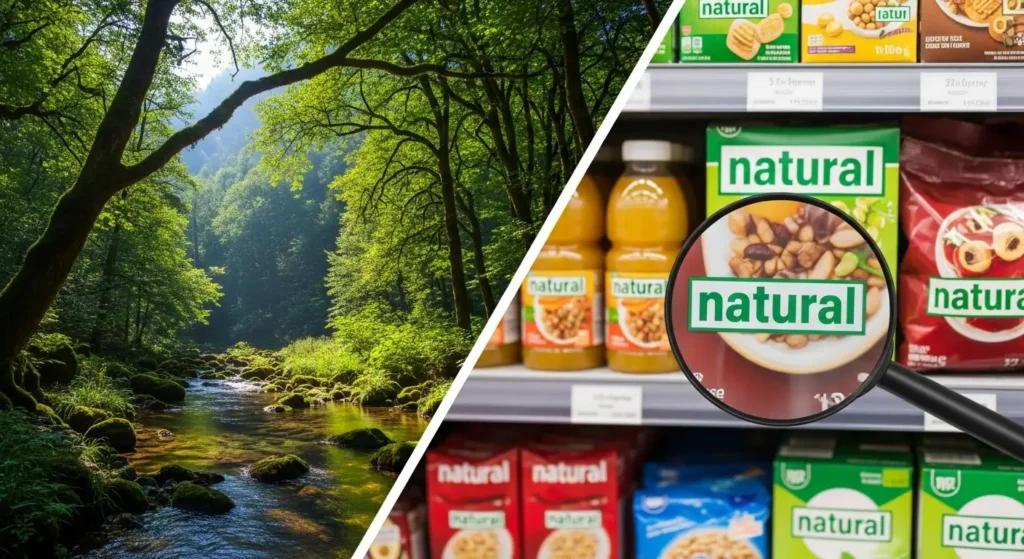
“Natural.”
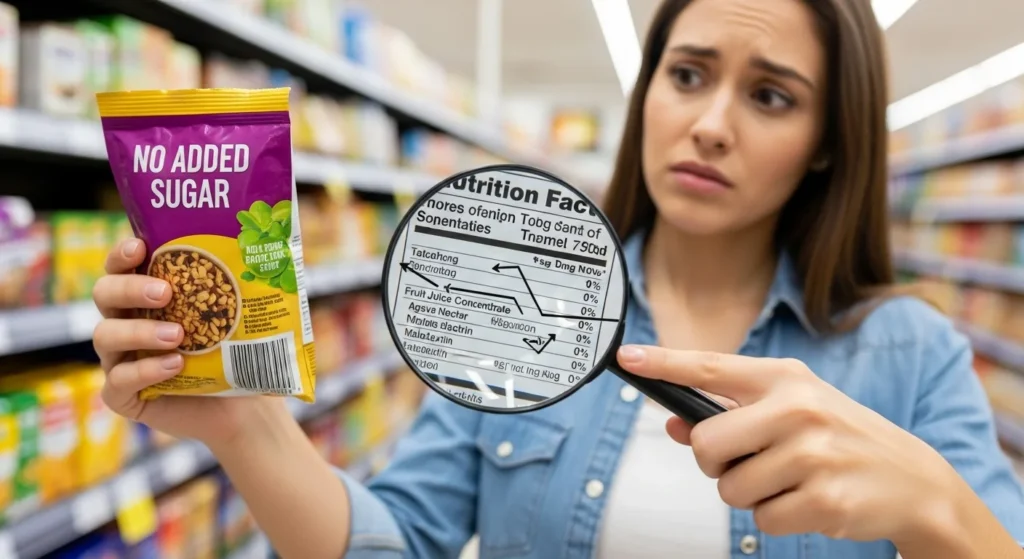
“No added sugar.”
At first glance, food labels feel like your personal health guide—clear, helpful, reassuring.
But here’s the quiet truth most people never hear:
Food labels are not designed to make you healthy. They’re designed to help you choose—within rules that protect manufacturers, not optimize nutrition.
Understanding this difference can completely change how you shop, eat, and trust what’s on your plate.
Let’s unpack what food labels actually do, what they don’t do, and how to read them without falling into the most common traps.
Why Food Labels Exist in the First Place
Food labels were never meant to be nutrition coaches.
Their original purpose was simpler—and narrower.
Food labeling regulations exist to:
- Provide standardized information
- Prevent outright deception
- Allow basic product comparison
- Reduce legal risk and ambiguity
In many countries, guidelines are shaped by organizations like the Food and Drug Administration and supported by global bodies such as the World Health Organization.
These rules ensure consistency, not clarity.
And that distinction matters more than most people realize.
What Food Labels Are Designed to Do (Very Well)
Food labels do serve some important roles—when understood correctly.
1. Create Standardized Comparisons
Labels allow you to compare:
- Calories per serving
- Protein, fat, carbs
- Sodium and sugar levels
This standardization helps when choosing between similar products, like two breakfast cereals or two yogurts.
But comparison only works if you understand the context—something labels don’t explain for you.
2. Meet Legal Disclosure Requirements
Labels are designed to:
- List ingredients in descending order by weight
- Declare major allergens
- Show nutrition facts in a fixed format
This protects consumers from hidden allergens and protects companies from lawsuits.
It does not mean the product is nutritionally balanced.
3. Communicate Marketing-Friendly Signals
Front-of-pack phrases are carefully chosen to:
- Reduce hesitation
- Create quick emotional reassurance
- Align with health trends
Examples include:
- “Plant-based”
- “Protein-rich”
- “Gluten-free”
These terms often sound healthier than they are, yet remain legally acceptable.
4. Encourage Quick Decisions, Not Deep Understanding
Food labels are designed for:
- Fast scanning
- Shelf-level decisions
- Visual impact
They are not designed for education, metabolic insight, or long-term health planning.
What Food Labels Are NOT Designed to Do (But Many People Assume)
This is where most confusion—and frustration—comes from.
1. They Do NOT Guarantee Health
A product can be:
- Low in fat
- Sugar-free
- Fortified with vitamins
…and still be highly processed, low in fiber, and metabolically disruptive.
Labels do not evaluate:
- Ingredient quality
- Processing intensity
- Long-term health impact
2. They Do NOT Reflect How Food Acts in Your Body
Nutrition labels show numbers, not outcomes.
They don’t tell you:
- How full you’ll feel
- How fast glucose spikes
- How insulin responds
- How hunger hormones react later
Two foods with the same calories can behave very differently inside your body.
3. They Do NOT Explain Trade-Offs
When fat is reduced, something else usually increases:
- Sugar
- Starches
- Additives
When sugar is removed, alternatives appear:
- Sugar alcohols
- Artificial sweeteners
Labels rarely explain what was added back.
4. They Do NOT Protect Against Overconsumption
A label can look “light” or “healthy,” encouraging:
- Larger portions
- Frequent snacking
- Mindless eating
This is how people overeat “healthy” foods without realizing it.
The Psychology Behind Food Labels (The Part No One Talks About)
Food labels don’t just inform—they influence behavior.
Here’s how.
The “Health Halo” Effect
When a product highlights one positive trait, people unconsciously assume:
- Lower calories
- Better nutrition overall
- Guilt-free consumption
A “low-fat” cookie often leads to eating more cookies, not fewer.
Color, Fonts, and Placement Matter
- Green = natural, clean, safe
- White space = purity
- Bold numbers = confidence
None of this reflects nutritional value—but it strongly affects perception.
Familiar Buzzwords Create Trust
Words like:
- “Wholesome”
- “Real”
- “Farm-style”
Often have no strict nutritional definition—yet increase credibility instantly.
Nutrition Facts Panel vs Marketing Claims
Here’s a simple comparison most shoppers never make:
| Feature | Nutrition Facts Panel | Front Label Claims |
|---|---|---|
| Regulated | Yes | Often loosely |
| Objective data | Yes | No |
| Emotional language | No | Yes |
| Shows trade-offs | Partially | Rarely |
| Requires interpretation | Yes | Designed to avoid it |
The real information is usually on the back.
The persuasion is almost always on the front.
Common Food Label Mistakes to Avoid
Even smart shoppers fall into these traps.
❌ Focusing Only on Calories
Calories don’t show satiety, nutrient density, or metabolic impact.
❌ Ignoring Serving Size
Some labels quietly shrink serving sizes to make numbers look better.
❌ Trusting “Free-From” Claims Blindly
“Sugar-free” doesn’t mean healthy—it often means replaced, not removed.
❌ Skipping the Ingredient List
The ingredient list reveals more truth than any claim.
How to Read Food Labels the Smart Way (Step-by-Step)
Use this simple approach:
- Start with ingredients, not claims
- Fewer ingredients usually means less processing
- Check protein and fiber together
- These predict fullness better than calories
- Watch added sugars, not total sugars
- Especially in sauces, cereals, and snacks
- Treat front labels as ads
- Not instructions
- Ask one key question:
Would I recognize this food without the packaging?
That question alone filters out many misleading choices.
Why This Matters Today (More Than Ever)
Food environments have changed faster than human biology.
- More packaged foods
- More health messaging
- More conflicting advice
Food labels give partial truth, not full context.
Understanding their role:
- Reduces anxiety around eating
- Prevents overcorrection
- Builds long-term trust in your choices
You don’t need perfection.
You need clarity.
Key Takeaways
- Food labels are designed to inform and protect legally, not optimize health
- Front-of-pack claims are marketing tools, not guarantees
- Nutrition facts require interpretation—not blind trust
- Ingredient lists often tell the real story
- Smart label reading builds confidence, not restriction
Frequently Asked Questions (FAQs)
1. Are food labels misleading on purpose?
Not exactly. They follow legal rules, but those rules allow marketing-friendly language that can easily be misunderstood.
2. Should I trust “natural” or “organic” labels?
They can indicate sourcing, but they don’t automatically mean the product is nutritious or minimally processed.
3. Why do “healthy” foods sometimes cause weight gain?
Because labels don’t reflect satiety, insulin response, or portion control—factors that drive real outcomes.
4. Is the Nutrition Facts Panel always accurate?
It’s standardized and regulated, but it doesn’t show food quality, processing, or biological response.
5. What’s the single most important part of a food label?
The ingredient list—because it reveals what the food truly contains, not how it’s marketed.
Conclusion: Labels Are Tools, Not Truth
Food labels are not villains—and they’re not saviors.
They are tools, shaped by regulation, marketing, and human psychology.
Once you understand what they’re designed to do—and what they aren’t—you stop feeling confused, guilty, or manipulated.
And that’s when eating becomes calmer, smarter, and more intuitive.
Disclaimer: This article is for general educational purposes only and does not replace personalized nutrition or medical advice.

Pingback: How Nutrition Labels Turn Complicated Food Science Into Simple Everyday Choices
Pingback: Why Bright Health Claims Trigger Trust — And Why Your Brain Falls for Them Instantly
Pingback: How Packaging Influences Food Choices — The Silent Persuasion You Rarely Notice
Pingback: Why “Low Fat” Became a Marketing Shortcut — And How It Quietly Changed the Way We Eat
Pingback: Why Food Labels Highlight What Sells — Not What Truly Nourishes You