Most people treat mushrooms like a background actor — something you toss into a stir-fry or pile onto a pizza without giving it a second thought. But here’s the twist nobody tells you at the grocery store: this humble fungus might be one of the most quietly powerful foods sitting in your produce aisle. It isn’t a plant. It isn’t a vegetable in the traditional sense. It’s technically its own kingdom of life — and that’s exactly why it behaves so differently in your body than the broccoli sitting next to it.
Once you start digging into the research, mushrooms stop looking like a garnish and start looking like a genuine health strategy. Here are ten benefits that might make you rethink what’s on your plate.
1. They’re one of the only natural food sources of vitamin D
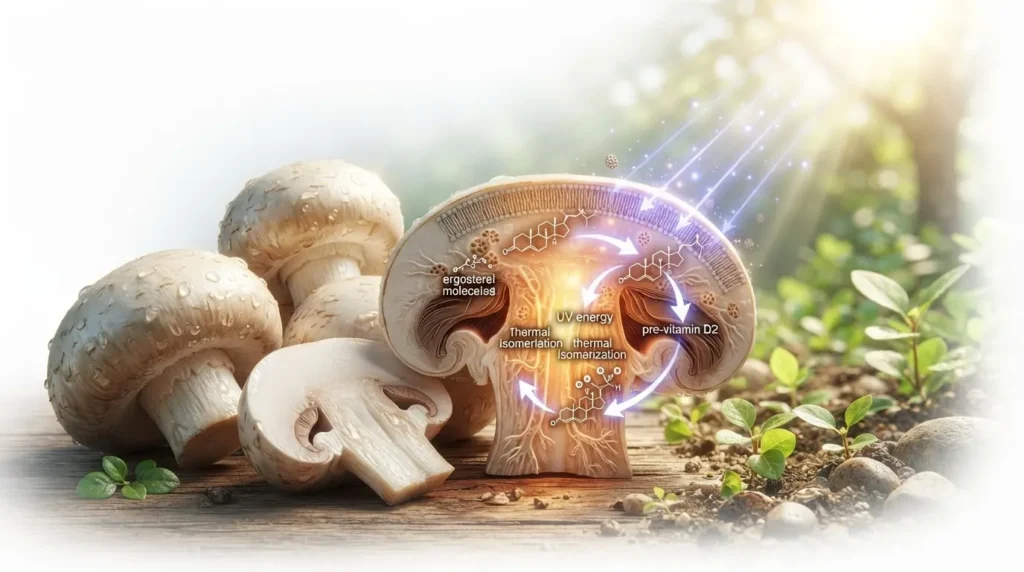
Ask most people where vitamin D comes from and they’ll say sunlight, salmon, or a supplement bottle. Almost nobody says mushrooms — yet certain varieties are one of the few non-animal foods capable of producing meaningful amounts of it. When mushrooms are exposed to UV light, a compound called ergosterol converts into vitamin D2, the same way human skin converts sunlight into vitamin D3. That’s why you’ll sometimes see “UV-treated” labels on packaged mushrooms — it isn’t a gimmick, it’s a legitimate nutritional upgrade, and it makes mushrooms especially valuable for vegans, vegetarians, and anyone living somewhere the sun doesn’t show up often, according to Cleveland Clinic.
2. They contain an antioxidant your body can’t make on its own
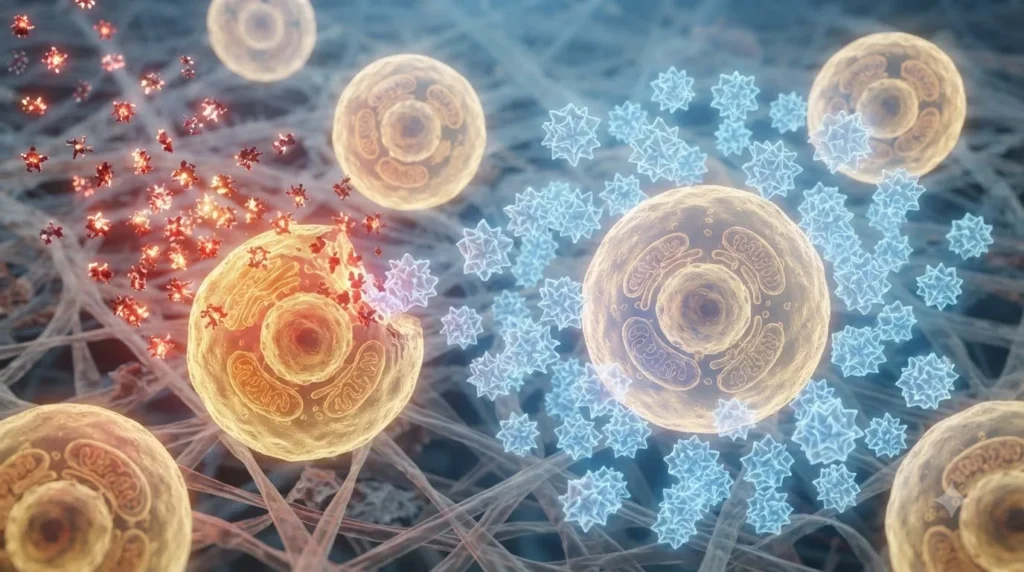
Mushrooms are one of the richest dietary sources of ergothioneine, a sulfur-based antioxidant that human cells absolutely cannot synthesize — it has to come from food. Researchers have started calling it a “longevity vitamin” because of how it appears to protect cells from oxidative stress, the slow wear-and-tear process linked to aging and chronic disease. Shiitake, oyster, maitake, and king oyster mushrooms carry the highest concentrations of it, per Harvard Health Publishing.
3. Regular mushroom eaters may face a lower cancer risk
This one tends to surprise people. A large prospective study tracking two major U.S. cohorts found that higher mushroom intake was associated with a reduced risk of total cancer, according to research summarized by the Harvard T.H. Chan School of Public Health’s Nutrition Source. Scientists point to those same non-nutritive plant compounds — polysaccharides, polyphenols, and antioxidants — as the likely reason mushrooms show up so consistently in cancer-prevention research.
4. They’ve been specifically linked to lower prostate cancer risk in men
Digging deeper into that same body of research, one study following more than 36,000 men over more than a decade found that those who ate mushrooms once or twice a week had a meaningfully lower risk of developing prostate cancer compared to men who skipped them entirely. Scientists suspect ergothioneine’s antioxidant activity plays a direct role here.

5. Mushrooms may support better mental health
Here’s the one nobody expects: your dinner plate might have something to do with your mood. Researchers at Penn State analyzed diet and mental health data from more than 24,000 U.S. adults and found that people who regularly ate mushrooms had lower odds of depression. The leading theory again comes back to ergothioneine, which is believed to protect brain cells from the kind of oxidative damage linked to mood disorders, as reported by Penn State’s research news.

6. They fight inflammation from the inside out
Chronic, low-grade inflammation is the quiet driver behind an unsettling list of conditions — heart disease, autoimmune issues, and even neurodegenerative disease. Mushrooms consistently rank among the more anti-inflammatory whole foods you can eat, and that effect is thought to come from their unique combination of antioxidants and polysaccharides working together rather than any single “miracle” nutrient.
7. They may help regulate blood sugar
Mushrooms have a naturally low glycemic index, meaning they don’t spike blood sugar the way starchy or sugary foods do. Combined with their vitamin D content — a nutrient increasingly linked to healthy insulin function — some research suggests regular mushroom consumption could play a supporting role in lowering diabetes risk over time.
8. They can genuinely help with weight management
If you’re trying to eat more without eating more calories, mushrooms are almost unfair in your favor. They’re low in fat and calories but surprisingly filling thanks to their fiber content and umami flavor — that deep, savory taste created by naturally occurring glutamate. Swapping mushrooms into a dish where you’d normally use higher-calorie ingredients (think mushroom “bacon,” mushroom-blended burgers, or a mushroom-based gravy) is a simple way to eat a fuller plate for fewer calories.

9. They support gut health
A healthy gut microbiome depends on diversity, and mushrooms bring fiber types your gut bacteria don’t always get from typical fruits and vegetables. That fiber acts as a prebiotic, feeding beneficial bacteria and potentially supporting everything from digestion to immune signaling that originates in the gut.
10. Certain varieties may support brain function and focus
This is where the research gets genuinely exciting, even if it’s still early. Lion’s mane mushroom, in particular, has become a focus of clinical interest for its potential to support cognitive performance. A randomized, placebo-controlled study published in Nutrients found that a single dose improved participants’ speed on a cognitive test, with a trend toward reduced stress after 28 days of regular use, according to research indexed on the National Institutes of Health’s PubMed database. Scientists are careful to note the studies so far are small, but it’s a promising enough signal that lion’s mane has become one of the most talked-about mushrooms in wellness circles today.

The takeaway
Mushrooms don’t ask for much — no elaborate prep, no expensive supplement stack, no dramatic diet overhaul. Just a regular spot on your plate. Between the vitamin D, the one-of-a-kind antioxidant, and the growing pile of research connecting them to lower cancer risk, better mood, and sharper focus, it’s fair to say mushrooms have been quietly outperforming their reputation for years. Sauté them, roast them, blend them into a sauce — however they end up on your plate, the science suggests it’s worth making them a habit rather than an afterthought.
Sources
- Cleveland Clinic — Explore the Many Benefits of Mushrooms
- Harvard Health Publishing — Mushrooms May Protect Against Prostate Cancer
- Harvard T.H. Chan School of Public Health — The Nutrition Source: Mushrooms
- Penn State — Mushroom Consumption May Lower Risk of Depression
- PubMed / National Institutes of Health — Acute Effects of Lion’s Mane Mushroom on Cognition and Mood

Aarti Solanki, B.Sc. (Food Science), is a food science writer passionate about making nutrition simple and evidence-based. She creates well-researched, easy-to-understand articles on healthy eating, food science, and nutrition, using information from trusted scientific and public health sources.