Pick up almost any packaged food.
The front tells a confident story.
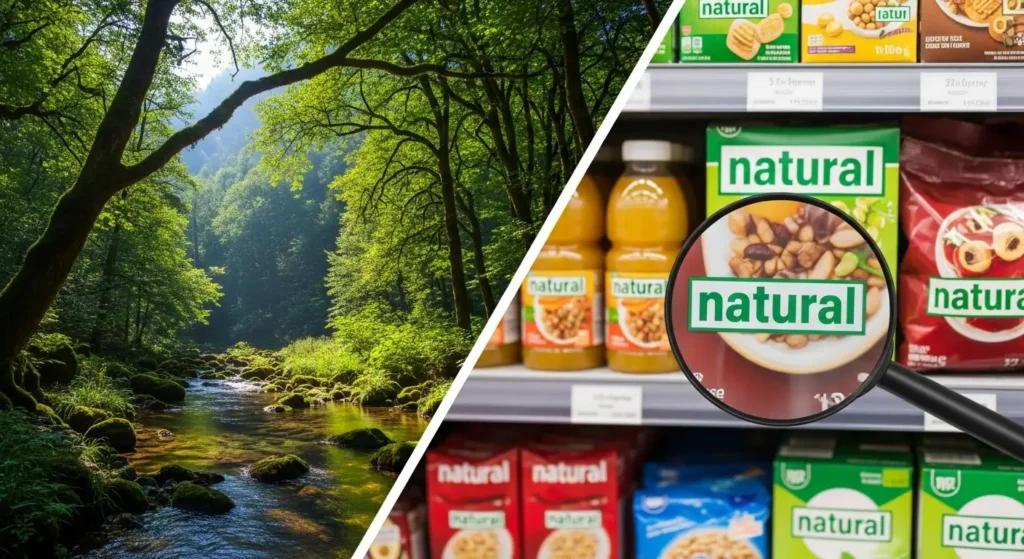
Healthy. Natural. High protein. Made with whole grains.
Flip it over—and suddenly the story changes.
Long words.
Unfamiliar names.
Sugar appearing three different ways.
That contrast isn’t accidental.
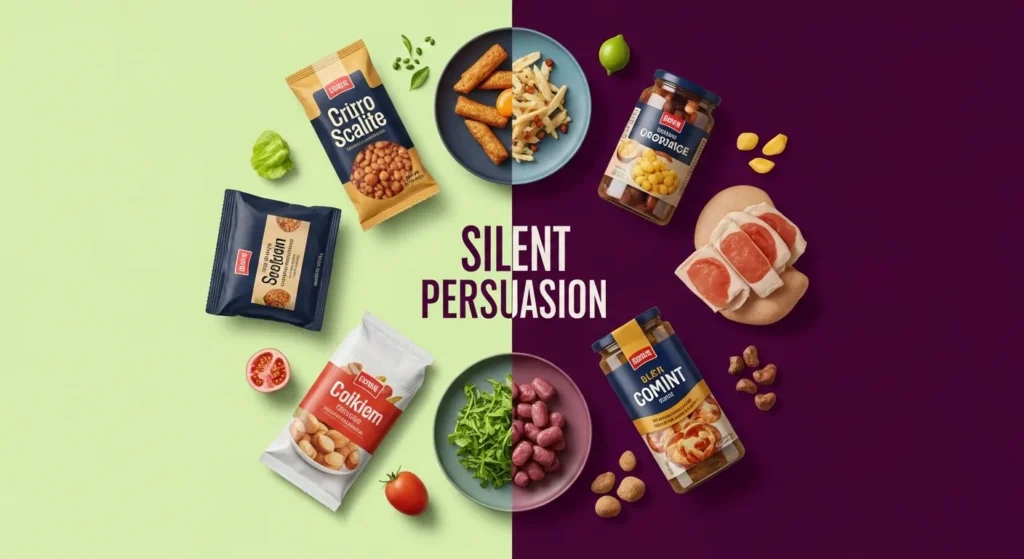
Front labels are designed to persuade. Ingredient lists are designed to disclose.
And understanding the difference is one of the most powerful nutrition skills you can develop.
Why Front Labels Get All the Attention
Front-of-package labels exist for one reason: speed.
They’re designed to:
- Catch your eye in seconds
- Reduce hesitation
- Trigger positive emotions
- Fit health trends
This is why your brain trusts them so quickly.
They use:
- Color psychology (greens, whites, earth tones)
- Simplified claims
- Emotional language
But speed and accuracy rarely coexist.
The Purpose of Ingredient Lists (And Why They’re Less “Friendly”)
Ingredient lists aren’t meant to feel comforting.
They exist because of regulation—guided by authorities like the Food and Drug Administration and aligned with global standards from the World Health Organization.
Their role is to:
- Disclose what’s actually inside
- Rank ingredients by weight
- Reveal additives, sugars, and processing
They don’t sell.
They inform.
And that’s exactly why they matter more.
One Rule That Changes Everything: Order Matters
Here’s the most important thing most shoppers don’t know:
Ingredients are listed from highest to lowest by weight.
This single rule tells you more than any front claim ever could.
If sugar is listed first, it’s the main component—even if the front says “healthy.”
If refined flour appears before whole grains, that matters.
The ingredient list quietly reveals the truth hierarchy of the food.
Front Labels Tell a Story. Ingredient Lists Tell the Structure.
Think of it this way:
- Front label = the headline
- Ingredient list = the full article
Headlines are designed to attract.
Articles reveal substance.
This is why a product can say:
- “Made with real fruit”
…but contain more sugar and flavoring than fruit itself.
The ingredient list confirms what percentage actually matters.
Real-Life Example: The “Healthy Snack” Illusion
Imagine a snack bar that claims:
- Plant-based
- High fiber
- Naturally sweetened
Sounds ideal.
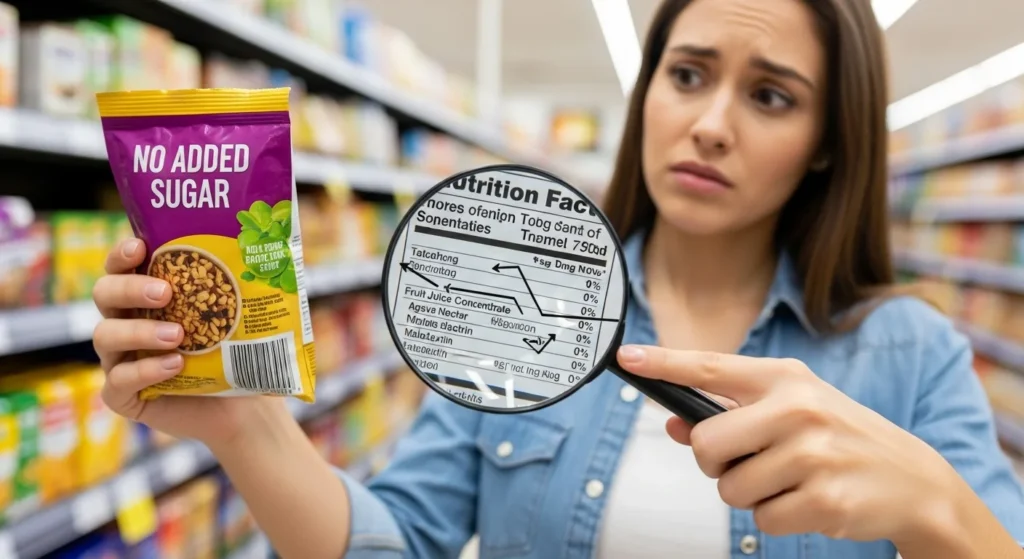
Now check the ingredient list:
- Syrup-based sweeteners listed first
- Fiber added as an isolated ingredient
- Minimal whole food content
The front wasn’t lying—but it was selective.
Ingredient lists remove selectivity.
Why Ingredient Lists Reveal Processing Level
Processing is one of the biggest drivers of health outcomes—and front labels rarely mention it.
Ingredient lists quietly show:
- How many steps food has gone through
- Whether nutrients are intrinsic or added later
- How much manipulation occurred
A shorter, recognizable list usually means:
- Less processing
- Fewer additives
- More intact food structure
Not always—but often enough to matter.
The Psychology Trick Front Labels Use (That Ingredients Don’t)
Front labels rely on the health halo effect.
One positive word creates a cascade of assumptions:
- “Low fat” → must be good
- “Organic” → must be balanced
- “Protein-rich” → must be filling
Ingredient lists don’t trigger emotion.
They trigger analysis.
And analysis is where better decisions live.
Ingredient Lists vs Front Labels: A Clear Comparison
| Front Labels | Ingredient Lists |
|---|---|
| Designed to persuade | Designed to disclose |
| Emotion-driven | Fact-driven |
| Highlight positives | Show full composition |
| Selective | Comprehensive |
| Fast decisions | Informed decisions |
When the two conflict, trust the ingredient list.
Common Mistakes People Make When Reading Ingredients
Even careful shoppers fall into these traps.
❌ Only Scanning for One “Bad” Ingredient
Context matters more than single villains.
❌ Ignoring Multiple Names for Sugar
Sugar can appear as syrups, concentrates, or nectars.
❌ Assuming Long Lists Are Always Bad
Some whole-food products naturally have more ingredients.
❌ Forgetting Portion Reality
Ingredients show composition—not how much you eat.
How to Read Ingredient Lists the Smart Way
Use this simple step-by-step method.
Step 1: Look at the First 3 Ingredients
They dominate the product.
Step 2: Identify Whole vs Refined Sources
Whole grains, legumes, nuts vs isolates and starches.
Step 3: Notice Added Sugars and Fats
Especially if they appear early.
Step 4: Count Additives, Not Fear Them
Additives aren’t evil—but patterns matter.
This takes under 15 seconds with practice.
Hidden Tip: Ingredient Lists Predict Satiety Better Than Calories
Labels can’t show fullness—but ingredients hint at it.
Foods higher in:
- Protein
- Fiber
- Intact structure
Tend to keep you full longer.
Ingredient lists reveal whether these come naturally—or were added artificially.
That difference matters for appetite control.
Why This Matters Today
Modern grocery stores are crowded with:
- Health claims
- Conflicting nutrition advice
- Time pressure
Ingredient lists cut through noise.
They:
- Reduce confusion
- Build trust in your judgment
- Shift focus from fear to understanding
When you learn to read ingredients, food stops feeling like a guessing game.
Key Takeaways
- Front labels are marketing tools, not health guarantees
- Ingredient lists reveal what food is actually made of
- Order of ingredients matters more than claims
- Processing level is easier to see in ingredients than nutrition panels
- Trust grows when you prioritize disclosure over persuasion
Frequently Asked Questions (FAQs)
1. Are ingredient lists always accurate?
They are regulated and legally required, making them more reliable than marketing claims.
2. Is a shorter ingredient list always better?
Often, but context matters—some nutritious foods naturally have longer lists.
3. Should I ignore front labels completely?
Not entirely, but never trust them without checking the ingredients.
4. What’s the fastest way to judge a product?
Read the first three ingredients—they usually tell the story.
5. Do ingredient lists matter if calories fit my diet?
Yes, because calories don’t show processing, satiety, or food quality.
Conclusion: The Truth Is on the Back, Not the Front
Food packaging is designed to make decisions easy.
Ingredient lists are designed to make them honest.
When you shift your attention from the front to the back, you stop reacting—and start choosing.
And that quiet shift is where real nutrition confidence begins.
Disclaimer: This article is for general educational purposes only and does not replace personalized nutrition or medical advice.

Pingback: Why “Healthy” on a Food Package Rarely Means What You Think It Does
Pingback: Why Bright Health Claims Trigger Trust — And Why Your Brain Falls for Them Instantly
Pingback: How Food Labels Downplay Processing — And Why “Healthy-Looking” Foods Aren’t Always What They Seem
Pingback: Why Nutrition Labels Were Created — And How They Quietly Shape Your Choices
Pingback: How Packaging Creates the Illusion of “Clean Ingredients” Without Full Disclosure
Pingback: “I Chose the Healthy One”… Or Did I? How Labels Manipulate Your Sense of Control