You Trust It Before You Know Why
You’re walking down a grocery aisle.
Your eyes land on a package that feels calm.
Muted colors.
Simple fonts.
Plenty of space.
You pause.
Without reading a word, something clicks:
“This feels honest.”
“This feels safe.”
“This feels better.”
That reaction happens quietly, automatically, and far faster than conscious thought.
It’s not about nutrition.
It’s not about ingredients.
It’s about trust—and how clean-looking packaging creates it instantly.
Trust Is Emotional Before It’s Logical
Human trust doesn’t begin with facts.
It begins with signals.
Our brains evolved to assess safety quickly, using visual shortcuts:
- Order vs chaos
- Simplicity vs clutter
- Calm vs noise
Clean packaging sends a powerful signal:
“There’s nothing to hide.”
That feeling of transparency builds trust before logic enters the room.
What “Clean” Packaging Actually Means
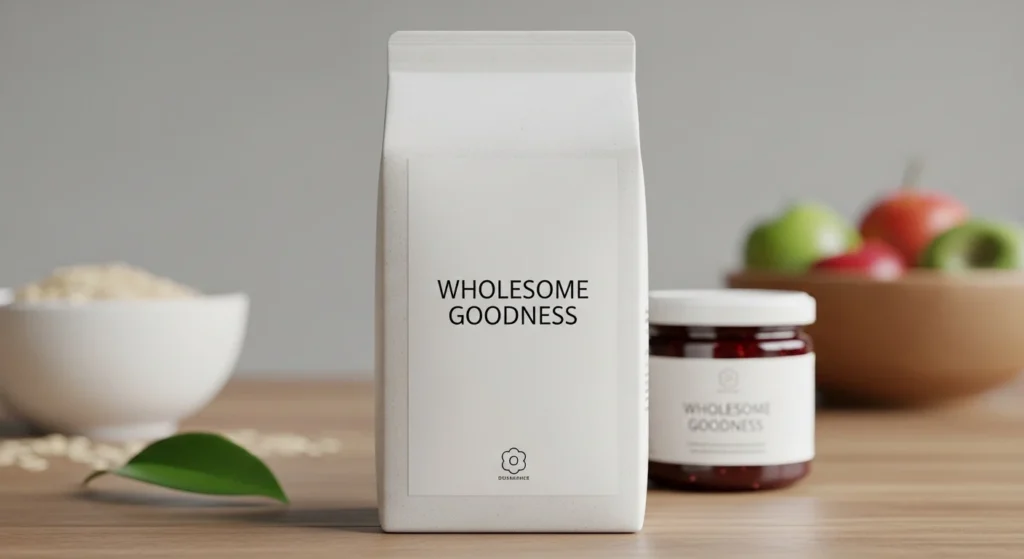
Clean-looking packaging usually shares a few visual traits:
- Limited color palette
- Generous white or neutral space
- Simple typography
- Few claims
- Calm visual hierarchy
None of these describe the food itself.
They describe how the brand wants to be perceived.
Clean doesn’t mean pure.
Clean doesn’t mean healthy.
Clean means controlled.
And control feels trustworthy.
The Brain Equates Simplicity With Honesty
In psychology, there’s a strong association between simplicity and truthfulness.
When something looks uncomplicated, the brain assumes:
- Fewer tricks
- Fewer hidden details
- Fewer risks
Crowded designs feel busy.
Busy feels strategic.
Strategic feels suspicious.
Clean design removes friction—and suspicion along with it.
Why White Space Feels Like Transparency
White space isn’t empty.
It communicates:
- Confidence
- Restraint
- Calm authority
Brands that leave space appear:
- Less desperate
- Less aggressive
- More self-assured
This visual confidence transfers to trust.
The message isn’t spoken—but it’s felt:
“If they’re not shouting, they must be telling the truth.”
Minimal Claims Feel More Believable
A clean package often features fewer promises.
That matters.
Compare:
- A label covered in badges, seals, and slogans
- A label with one or two understated statements
The second feels more believable—even if the first provides more information.
Why?
Because restraint signals integrity.
The brain reads quiet confidence as credibility.
Fonts and Trust: Subtle but Powerful
Typography shapes tone.
Clean packaging often uses:
- Thin sans-serif fonts
- Rounded edges
- Soft spacing
These fonts feel:
- Human
- Modern
- Approachable
Aggressive fonts feel salesy.
Salesy feels manipulative.
Manipulative erodes trust.
The font doesn’t change the food—but it changes belief.
Clean Design Suggests Fewer Ingredients (Even When That’s False)
One of the strongest assumptions people make is:
“Clean packaging = simple ingredients.”
This is often untrue—but the association is deeply ingrained.
Why?
Because the brain mirrors visuals to content:
- Simple look → simple formula
- Neutral colors → gentle impact
- Minimal words → minimal processing
Even when ingredient lists are long, the feeling of simplicity remains.
Comparison Table: Clean Packaging vs What It Actually Signals
| Clean Design Element | What It Signals | What It Actually Means |
|---|---|---|
| White space | Transparency | Design choice |
| Neutral colors | Purity | Branding strategy |
| Few words | Honesty | Selective communication |
| Soft fonts | Human-made | Emotional tone |
| Minimal claims | Confidence | Positioning |
| Matte finish | Wellness | Aesthetic trend |
| Simple layout | Fewer ingredients | Visual association |
Design builds trust—even when content doesn’t change.
Why This Matters Today
Modern shoppers are overwhelmed.
Too many choices.
Too many claims.
Too much noise.
Clean packaging offers relief.
It simplifies decision-making and reduces mental load.
That relief feels like trust.
But when trust is built on appearance alone, people may:
- Skip ingredient lists
- Eat larger portions
- Overestimate food quality
Understanding this dynamic restores balance—without skepticism.
Real-Life Example: Two Identical Products
Imagine two identical foods.
Same ingredients.
Same nutrition.
Same price.
One has:
- Loud colors
- Many claims
- Busy design
The other has:
- Soft colors
- Minimal text
- Calm layout
Most people trust—and choose—the second.
Not because of logic.
Because of how it feels.
Common Mistakes People Make With Clean Packaging
Even careful shoppers fall into these traps:
- Assuming clean means healthy
- Trusting appearance over ingredients
- Believing premium design equals quality
- Skipping label details
- Feeling confused when expectations aren’t met
These aren’t mistakes of intelligence.
They’re normal human responses.
How to Use Clean Packaging Without Being Misled
You don’t need to reject clean design.
You just need to pause before trusting it.
Actionable Steps
- Notice your immediate sense of trust
- Ask: “What about this feels honest?”
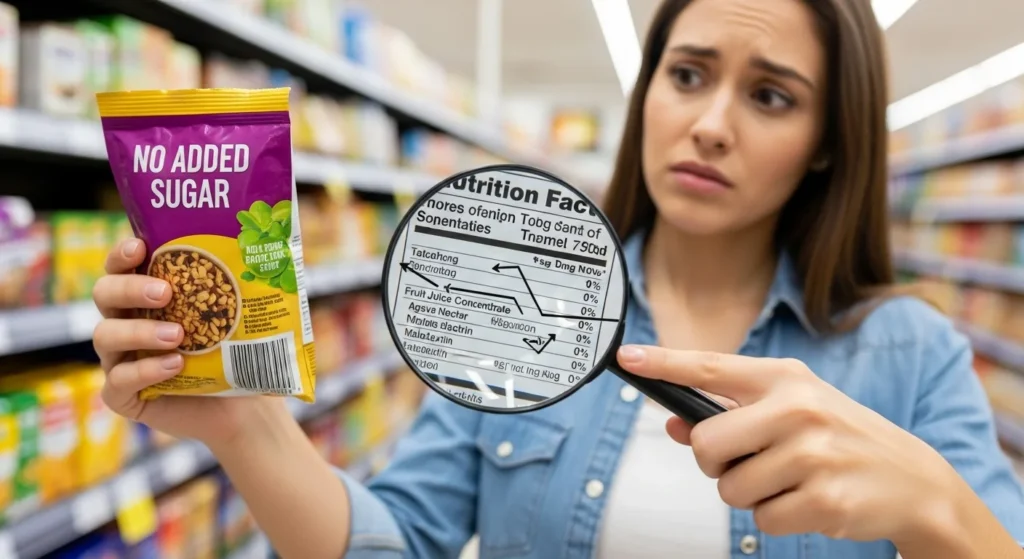
- Flip the package before deciding
- Read ingredient order calmly
- Compare two clean-looking options side by side
Awareness neutralizes influence.
Hidden Tip: Clean Design Often Targets Identity
Clean packaging doesn’t just sell food.
It sells an identity:
- “I’m mindful”
- “I choose better”
- “I value quality”
Recognizing this separates self-image from nourishment—and reduces pressure.
Key Takeaways
- Clean packaging builds trust instantly
- Simplicity signals honesty to the brain
- White space and restraint feel credible
- Design influences belief before facts
- Awareness restores calm, informed choice
Once you see the design layer, trust becomes intentional—not automatic.
Frequently Asked Questions
1. Is clean packaging meant to deceive?
Not necessarily—it’s meant to reassure.
2. Should I distrust minimalist food brands?
No. Just verify them with ingredients.
3. Why do I eat more of clean-looking foods?
Trust lowers caution and increases comfort.
4. Does premium packaging mean better food?
Premium design reflects positioning, not nutrition.
5. What matters more than packaging?
Ingredients, processing level, and personal experience.
Conclusion: Trust Is Visual — Until You Slow It Down
Clean-looking packaging feels honest because it speaks the brain’s native language: calm, order, and simplicity.
That doesn’t make it bad.
It makes it powerful.
When you understand why it works, you don’t lose trust—you gain choice.
And with choice comes confidence, not confusion.
Disclaimer: This article is for general educational purposes only and does not replace personalized nutrition or medical advice.