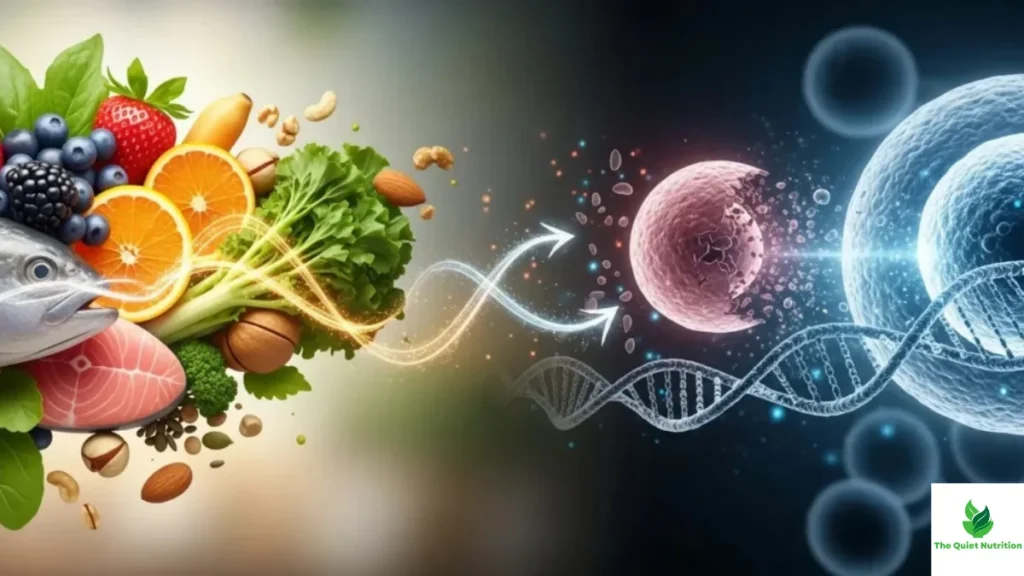
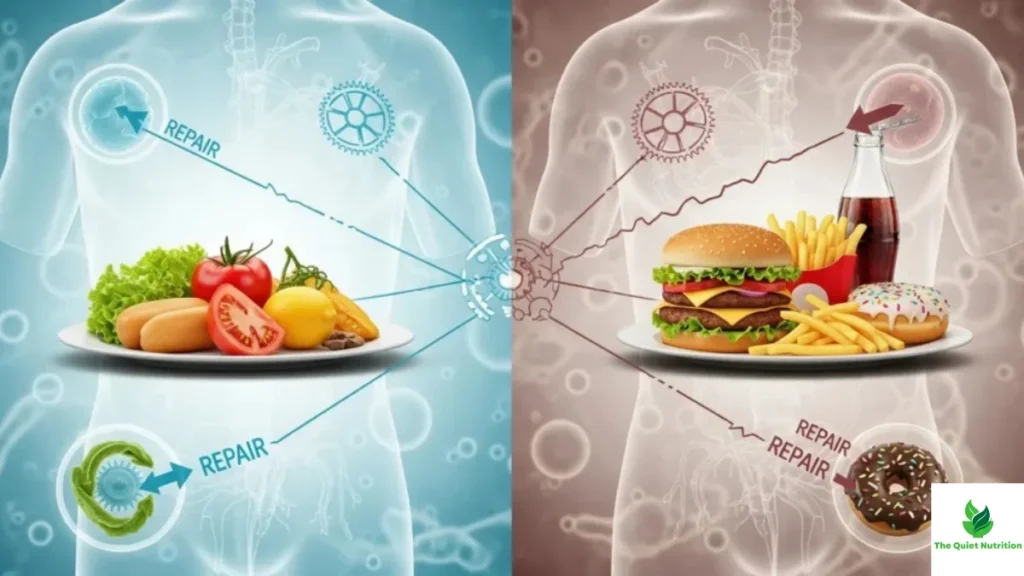
Right now, while you’re reading this, your body is quietly replacing itself. Not metaphorically — literally. The lining of your gut renews itself every few days. Your skin’s outer layer turns over roughly every month. Red blood cells are replaced on a rolling cycle lasting about four months. You are, in a very real sense, not the same collection of cells you were a year ago.
This constant turnover is called cellular renewal, and it’s easy to overlook because it happens without any conscious input from you. But it’s not automatic in the sense of being guaranteed — it’s automatic in the sense of being demanded. Your body will always attempt renewal. Whether it can do so efficiently depends heavily on whether it has the raw materials to build new cells in the first place. That’s where nutrition enters the picture, and it’s far more central to aging than most people realize.
New Cells Need New Building Blocks
Repairing existing tissue and building brand-new cells are related but distinct processes. Renewal specifically requires DNA replication — every new cell needs a complete, accurate copy of your genetic material before it can divide. This process depends heavily on specific nutrients, particularly folate and vitamin B12, both of which are directly involved in synthesizing and stabilizing DNA.
When these nutrients run short, cell division doesn’t just slow down politely — it can become error-prone. This is well documented in red blood cell production: inadequate folate or B12 leads to the formation of red blood cells that are abnormally large and less functional, a condition called megaloblastic anemia. It’s a clear, measurable example of what happens when renewal outpaces available nutritional resources.
Zinc and Protein: Often Overlooked, Constantly Needed
Zinc plays a critical, often underappreciated role in cell division and protein synthesis, both essential for renewal. It’s involved in hundreds of enzymatic reactions, several of which directly support the machinery cells use to replicate. Chronic low zinc intake has been associated with impaired wound healing and slower tissue turnover, which makes sense once you consider how central it is to the renewal process itself.
Protein, meanwhile, isn’t just for muscle. Every new cell is built substantially from protein, whether it’s forming new skin cells, gut lining cells, or immune cells. Inadequate protein intake limits the raw material available for renewal across essentially every tissue in the body simultaneously, not just the ones people typically associate with protein, like muscle.
The Gut Lining: Renewal’s Fastest, Most Demanding Site
The lining of your small intestine is one of the fastest-renewing tissues in the entire body, regenerating itself roughly every few days. This rapid turnover exists because the gut lining takes constant mechanical and chemical wear from digestion, so it needs to be replaced quickly to maintain its protective barrier function.
This also makes gut lining one of the first tissues to show effects when nutrition is inadequate. Reduced renewal capacity here has been linked to increased gut permeability and a weakened barrier function, which in turn has broader effects on immune regulation, since a large portion of the immune system is closely tied to gut health.
Why Renewal Efficiency Changes With Age
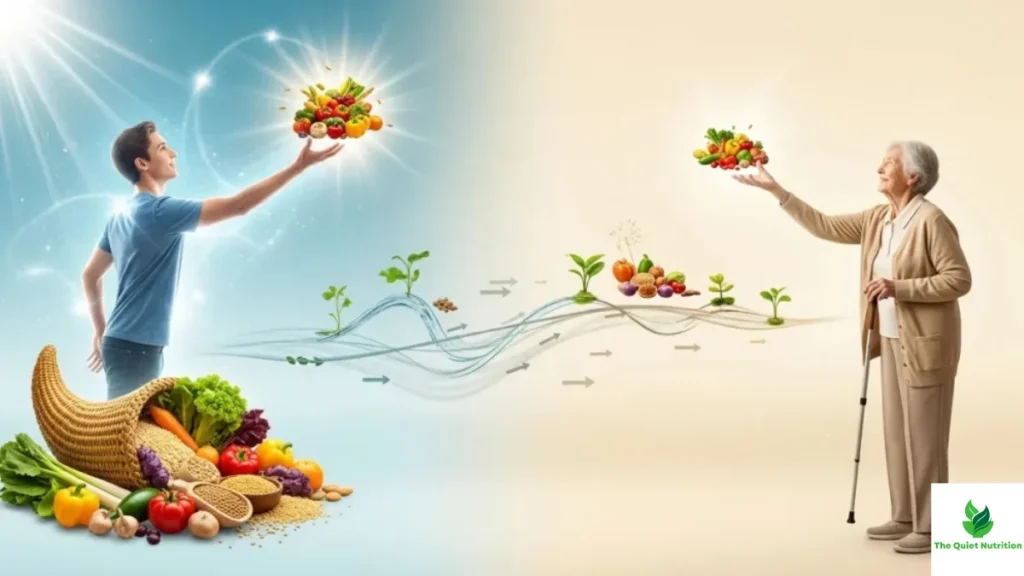
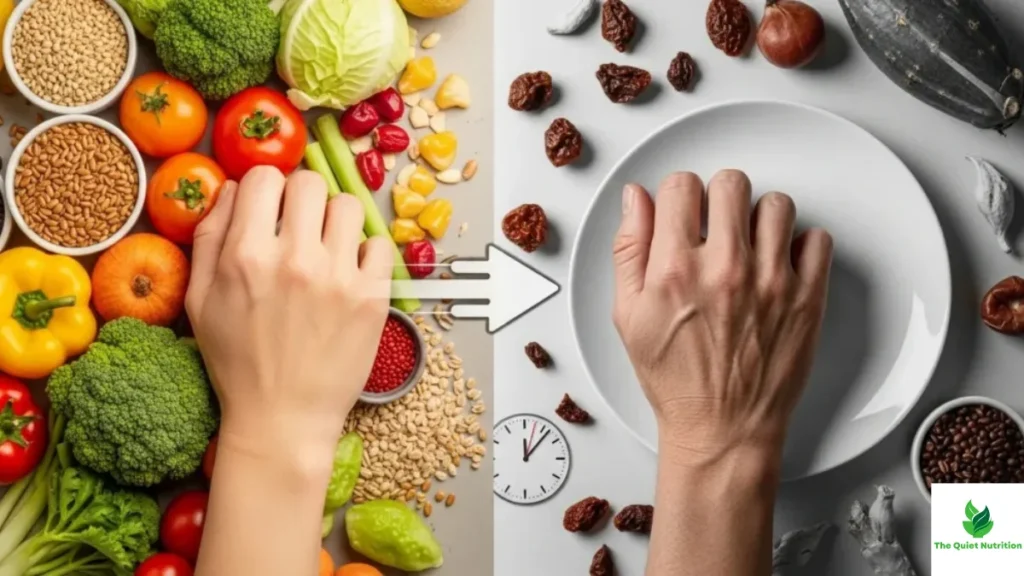
Cellular renewal doesn’t stop as people get older, but its efficiency can decline, partly due to biological changes and partly due to reduced nutrient intake that often accompanies aging — smaller appetites, less varied diets, and reduced absorption efficiency of certain nutrients like B12. This creates a compounding effect: the body’s renewal demand stays relatively constant, while both the resources available and the efficiency of using them can decline simultaneously.
This is part of why nutritional adequacy becomes, if anything, more important with age rather than less, even though appetite and food intake often trend in the opposite direction. Supporting renewal isn’t a young person’s concern — it’s a lifelong one that simply requires more deliberate attention later in life.
What This Looks Like in Practice
Supporting cellular renewal doesn’t require an exotic diet. It requires consistent intake of the nutrients renewal actually depends on: folate from leafy greens and legumes, B12 from animal products or fortified foods, zinc from sources like meat, seeds, and legumes, and enough overall protein spread across meals rather than concentrated in one sitting. Adequate hydration also supports the transport of these nutrients to tissues that need them most.
None of this is about chasing a specific supplement or trend. It’s about recognizing that the body’s constant, quiet work of rebuilding itself is only as good as the materials it’s given to work with.
The Bigger Picture
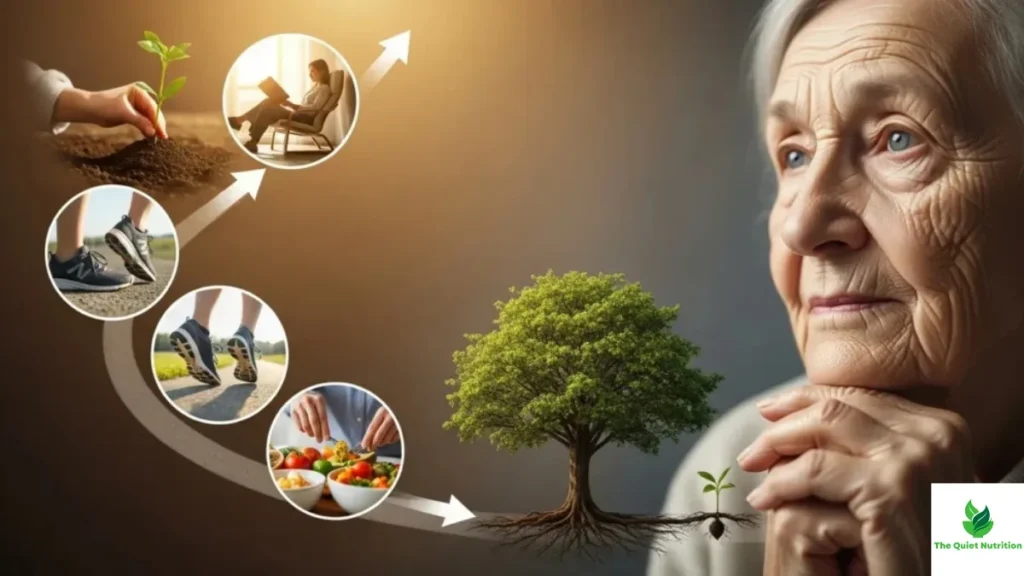
Aging is often framed as tissues simply wearing down. But a more accurate picture includes the fact that your body is constantly trying to rebuild and replace itself — and how well it succeeds at that task, day after day, is a major factor in how resilient, energetic, and functional you feel as time goes on. Cellular renewal isn’t a background process to ignore. It’s one of the most direct, measurable ways nutrition shapes the aging process from the inside out.
Sources
- National Institutes of Health, Office of Dietary Supplements – Folate Fact Sheet
- National Institutes of Health, Office of Dietary Supplements – Vitamin B12 Fact Sheet
- National Institutes of Health, Office of Dietary Supplements – Zinc Fact Sheet
- National Institute on Aging – Nutrition for Older Adults
- World Health Organization – Nutrition

Aarti Solanki, B.Sc. (Food Science), is a food science writer passionate about making nutrition simple and evidence-based. She creates well-researched, easy-to-understand articles on healthy eating, food science, and nutrition, using information from trusted scientific and public health sources.



Pingback: Why Nutrition Builds Stability, Not Instant Change — The Quiet Way Food Actually Shapes Your Health
Pingback: How Nutrition Shapes the Body’s Baseline Health — The Invisible Foundation That Determines How You Feel Every Day
Pingback: Spinach Is More Powerful Than You Think — The Hidden Nutrients Inside Every Leaf
Pingback: The Surprising Heart Benefits of Grapes (And Why Doctors Love Them)
Pingback: Strawberries Are More Powerful Than You Think—Here’s What They Do Inside Your Body