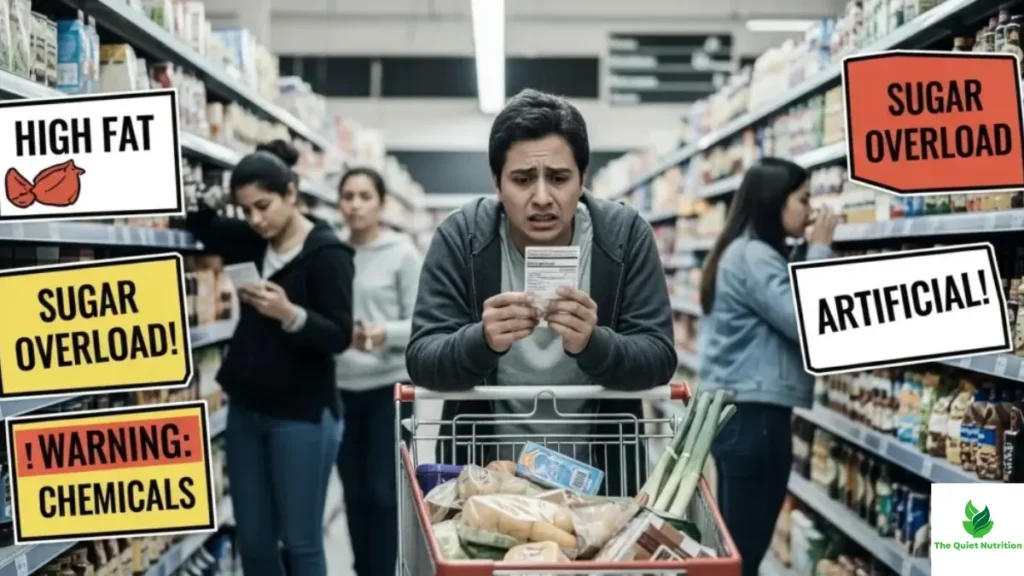
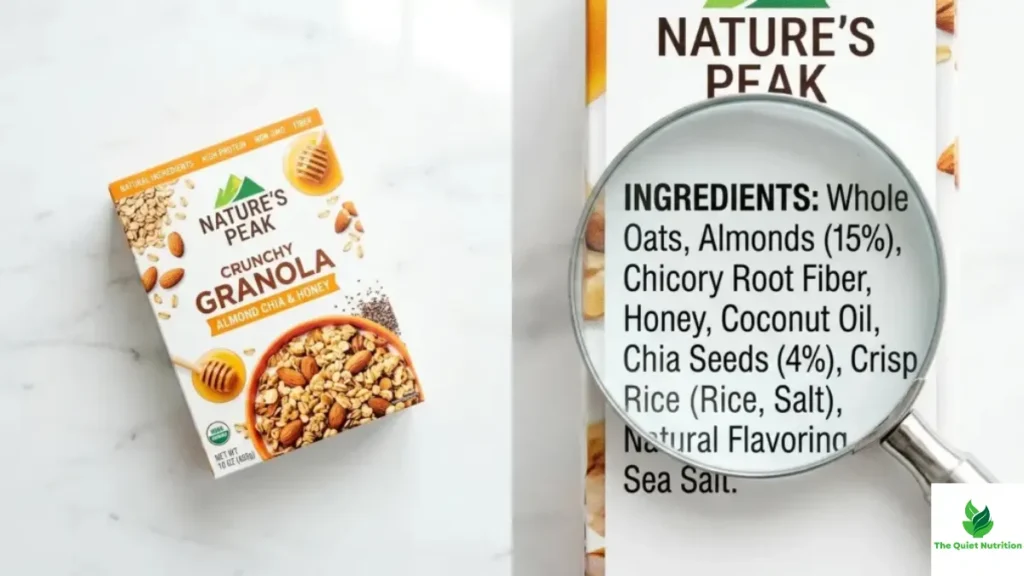
You scan the ingredient list, spot a word you can’t pronounce, and put the item back on the shelf. It feels like careful decision-making. In reality, you may have just been outmaneuvered by decades of psychological research that food marketers know how to exploit. Here’s what’s actually happening in your brain when a label makes you nervous — and why even savvy shoppers keep falling for it.
Your Brain Treats Unfamiliar Words as Danger Signals
Humans didn’t evolve reading chemistry textbooks. So when your brain encounters a long, scientific-sounding ingredient name, it defaults to a simple shortcut: unfamiliar equals unsafe. Researchers call this tendency chemophobia — an exaggerated aversion to anything that sounds “chemical,” regardless of whether it poses any real risk.
The irony is that everything, including the healthiest foods, is made of chemicals. A single banana naturally contains dozens of compounds with names like maltose, tyrosine, and myristic acid — none of which appear on the label because whole produce doesn’t require an ingredient list. If it did, even fruit would look intimidating on paper.
“Clean” and “Natural” Labels Create a False Sense of Safety
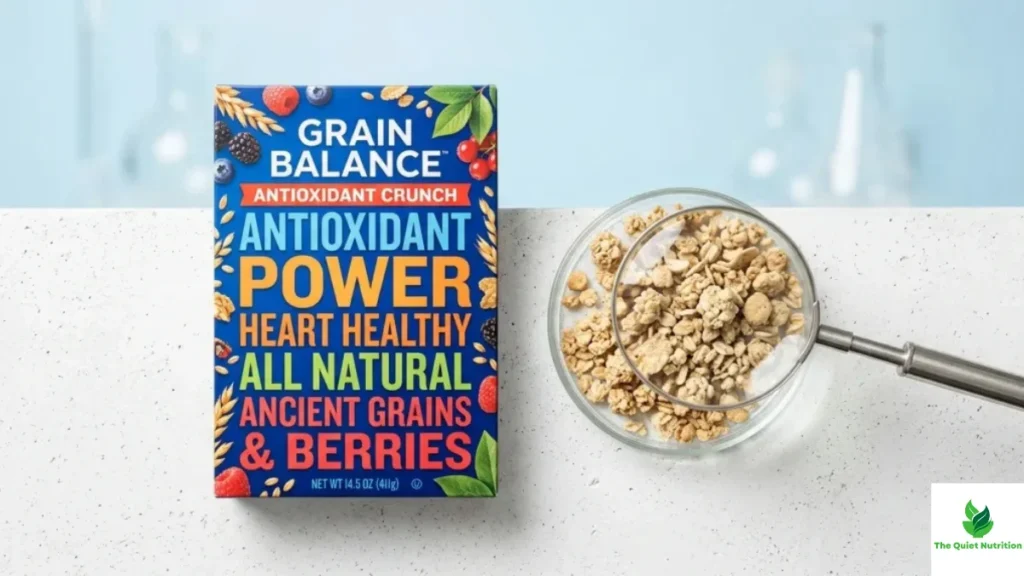
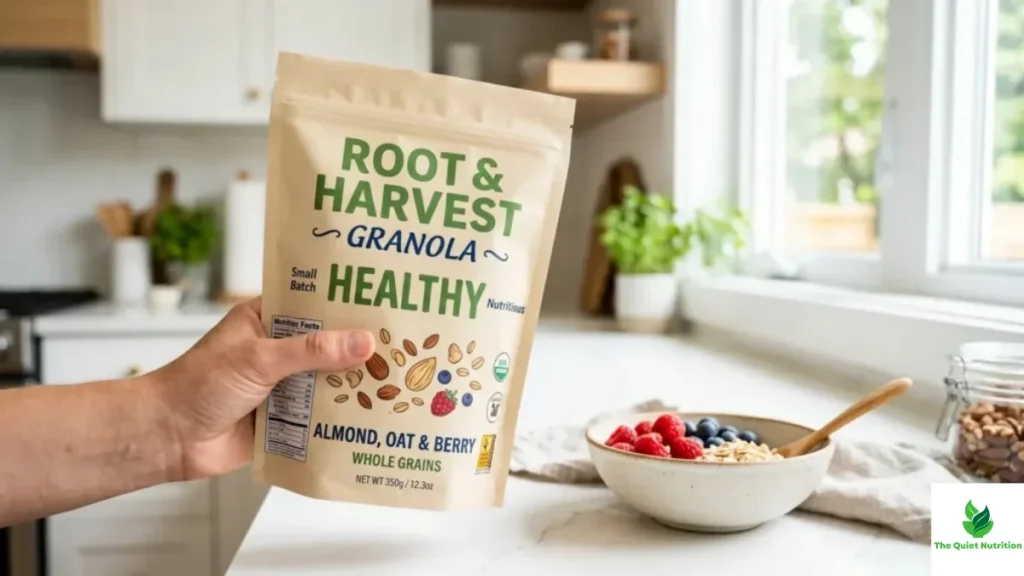
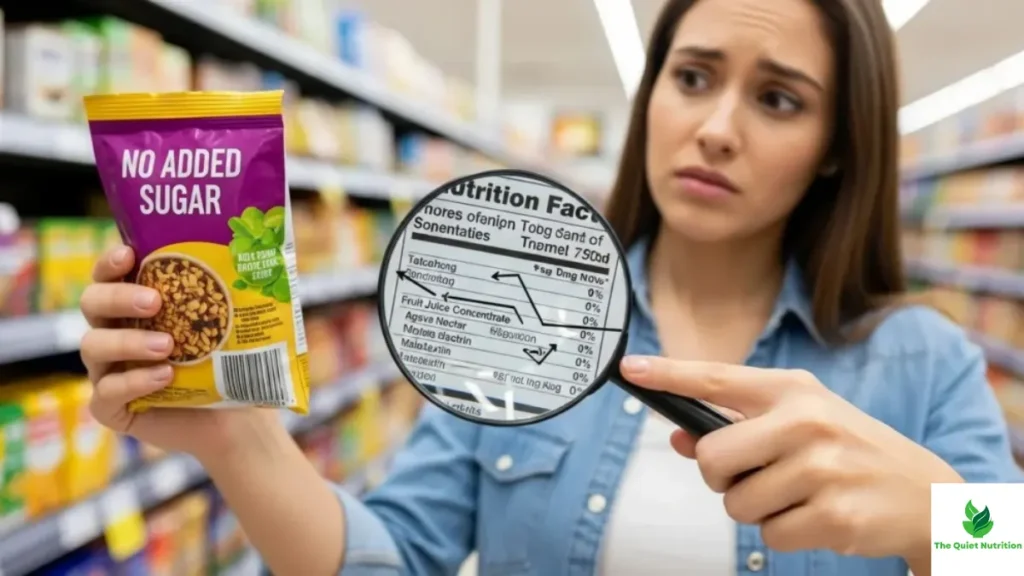
This works in the opposite direction, too. Certain words on packaging — organic, natural, low-fat, antioxidant-rich — trigger what researchers call the “health halo effect.” One positive-sounding claim causes shoppers to assume the entire product is healthier than it actually is, even when it’s high in sugar, sodium, or calories.
Studies have found that when a snack carries a health-related claim, shoppers become less likely to check the actual nutrition facts panel. The claim itself becomes a substitute for real scrutiny — which is exactly the opposite of what a “smart shopper” mindset is supposed to achieve.
Fast Food Chains Use This Same Trick
The health halo effect isn’t limited to grocery aisles. Research has shown that customers at restaurants perceived as “healthy,” like certain sandwich chains, tend to underestimate the calorie content of their meals and are more likely to add high-calorie sides, drinks, or desserts — compared to when they eat at chains without a health-focused reputation. The perception of healthiness becomes contagious, spreading from the brand to every item on the menu.
Scary-Sounding Names Are Often Just Everyday Substances in Disguise
Some of the most feared food label terms are simply formal names for things you already eat comfortably. Ascorbic acid is vitamin C. Tocopherol is vitamin E. Even dihydrogen monoxide — a name occasionally used in pranks to spark alarm — is just water. Regulatory labeling codes, like the “E-numbers” used in Europe, often represent naturally occurring compounds, but their code format makes them sound synthetic and suspicious.
Long ingredient lists can also be misleading in a different way: government regulations sometimes require that a single ingredient, like baking powder, be broken down into all of its component parts on the label. That single requirement alone can make a simple, everyday product look far more complicated than it actually is.
Marketers Know Fear Sells — And They Lean Into It
Once a fear takes hold, it becomes profitable. Brands frequently announce the removal of a specific ingredient not because of a safety concern, but because the ingredient’s name sounds alarming to consumers. This creates a cycle: the scarier an ingredient name seems, the more marketing value there is in advertising its absence, regardless of whether removing it changes the product’s actual safety or nutrition.
This same fear has been used to sell everything from specialty salts to water filters, often using scientific-sounding language to imply danger that isn’t scientifically supported.
Why Smart, Careful Shoppers Still Get Caught
The uncomfortable truth is that this isn’t a matter of intelligence — it’s a matter of how human cognition works under time pressure. Standing in a store aisle, most people don’t have the time or specialized chemistry knowledge to evaluate every ingredient individually. So the brain reaches for fast heuristics: unfamiliar name equals bad, familiar buzzword equals good. Marketers have simply learned to design packaging around those exact shortcuts.
Even people who consider themselves highly informed about nutrition are shown, in controlled studies, to make different purchasing decisions based purely on label wording — even when the underlying product is identical.
How to Actually Outsmart the Label
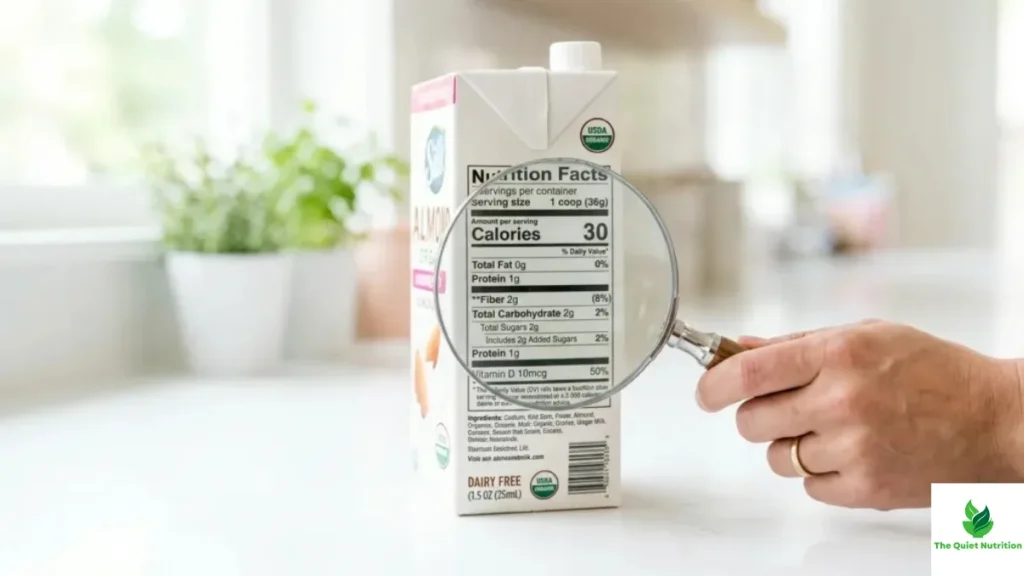
Breaking free of this cycle doesn’t mean memorizing organic chemistry. It means slowing down at a few key moments: checking the actual nutrition facts panel instead of trusting front-of-package claims, remembering that an unfamiliar name is not proof of harm, and recognizing that “natural” and “chemical-free” are marketing terms, not scientific or safety classifications. The dose and context of an ingredient matter far more than how intimidating its name looks.
Reading labels is still worthwhile — real allergens, added sugars, and sodium levels are worth knowing. The goal isn’t to stop reading labels; it’s to stop letting labels do your thinking for you.
Sources
- Institute of Food Technologists – Gauging the Health Halo Effect
- Science-Based Medicine – Food Fears
- MDPI – Addressing Chemophobia: Bridging Misconceptions in Food Chemistry
- U.S. News & World Report – Should You Fear Chemicals in Your Food?
- Cowry Consulting – The Health Halo Effect: How Good Marketing Can Be Misleading Consumers
- Food Ingredient Facts – Chemophobia: Don’t Fear Ingredients in Your Food
- Nature Index – Health Halo Effects in Food Consumption

Aarti Solanki, B.Sc. (Food Science), is a food science writer passionate about making nutrition simple and evidence-based. She creates well-researched, easy-to-understand articles on healthy eating, food science, and nutrition, using information from trusted scientific and public health sources.

Pingback: “Free From” Doesn’t Mean Healthy: The Truth Behind America’s Favorite Food Label