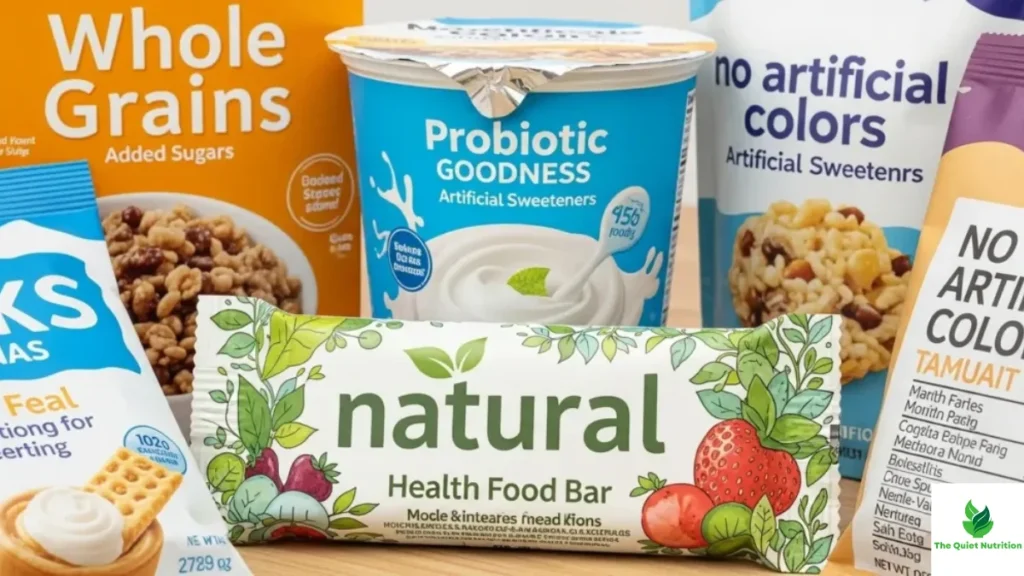
“Clean label” sounds like a promise — simple ingredients, nothing hidden, nothing to fear. But the phrase has no legal definition, and the systems behind food labeling contain real gaps that let plenty of things stay off the ingredient list entirely. Here’s what “clean” actually means on packaging, and what it doesn’t require anyone to tell you.
“Clean Label” Isn’t a Rule — It’s a Marketing Choice
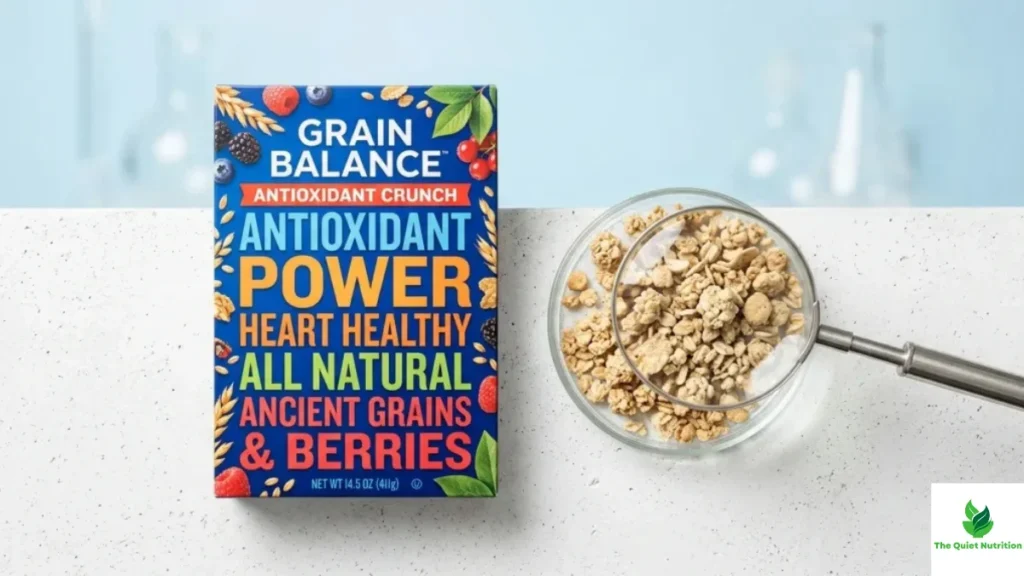
Despite how official it sounds, clean label is not regulated by the FDA or any single governing body. There’s no legal, scientific, or industry-wide definition of the term. That means one brand’s idea of “clean” might mean no artificial colors, while another brand’s idea might simply mean a shorter ingredient list — regardless of what those ingredients actually are or how the product was processed. Because the term is undefined, manufacturers get to decide what qualifies, and marketers get to decide how to frame it.
Removing an Ingredient Doesn’t Mean Removing the Function
A clean label typically avoids listing ingredients that carry a negative connotation with consumers — things like artificial preservatives, synthetic colors, or hard-to-pronounce additives. But avoiding the appearance of an additive isn’t the same as avoiding its function. Manufacturers can substitute a disliked ingredient with a different one that serves the exact same purpose, often using fruit or vegetable extracts to achieve the same preserving, coloring, or stabilizing effect the “avoided” ingredient would have provided. The label looks cleaner. The formulation’s actual role hasn’t necessarily changed.
“Natural Flavors” Is One of the Vaguest Phrases on Any Label
Few phrases do more work while disclosing less than “natural flavors.” Under U.S. law, this term can legally cover an enormous range of sources — fruits, vegetables, dairy, meat, seafood, or fermentation byproducts — without the label ever specifying which one applies. A product flavored to taste like strawberry may contain little or no actual strawberry, as long as its flavor components originated from natural sources somewhere.
This ambiguity creates real consequences beyond curiosity. Someone following a vegetarian, vegan, or allergen-restricted diet has no way to know from the label alone whether a “natural flavor” originated from a plant or an animal product. The specific formulations behind these flavors are also frequently treated as proprietary trade secrets by flavor manufacturers, meaning what looks like a single line on the label may represent a formulation with dozens of underlying compounds.
Flavors Can Carry Hidden Ingredients of Their Own
“Natural flavors” don’t arrive at a factory as a pure, single substance — they often come bundled with processing aids and carriers, such as solvents, emulsifiers, or preservative agents, that help stabilize and deliver the flavor itself. These carrier ingredients generally don’t have to be listed separately on the final product’s label, even though they are technically present in the food you’re eating.
Processing Aids Are a Legal Blind Spot in Ingredient Lists
This gap extends beyond flavors. A processing aid is any substance used during food production that may still be present in the finished product, but which manufacturers are not legally required to disclose as an ingredient. Journalists, food writers, and advocacy groups have raised concerns that this creates a genuine transparency loophole — allowing substances that are technically part of the final food to remain completely invisible on the label consumers rely on to make decisions.
Recognizable Names Aren’t Always What They Seem
Ironically, the opposite confusion happens too. Clean label products often favor “recognizable” ingredient names, but recognizability and safety aren’t the same thing as accuracy. Vitamin D, for instance, is scientifically listed as cholecalciferol on some labels — a name that looks unfamiliar and technical despite representing a nutrient most people already trust. This cuts both ways: familiar-sounding names can create false reassurance, while accurate scientific names can create false alarm, regardless of what’s actually inside the product.
Big Food Brands Have Leaned Into the Trend — On Their Own Terms
Major packaged food companies have publicly reformulated products to remove artificial colors and flavors as part of the broader clean label movement, a shift now worth well over a hundred billion dollars globally in food sales. That reformulation can represent a genuine improvement. But because there’s still no universal definition governing what qualifies, the same “clean label” claim can describe a meaningfully reformulated product from one company and a lightly rebranded one from another, with no consistent standard forcing either company to disclose the difference.
What “Clean” Doesn’t Promise You
None of this means clean label products are inherently deceptive or worthless — many genuinely do use simpler, less processed ingredients. But the phrase itself guarantees nothing specific: not the absence of processing aids, not full disclosure of flavor sources, not a defined standard of what counts as “natural,” and not a shorter total list of substances actually present in the food. The word describes an intention and a feeling more than it describes a regulated outcome.
How to Read Past the “Clean” Claim
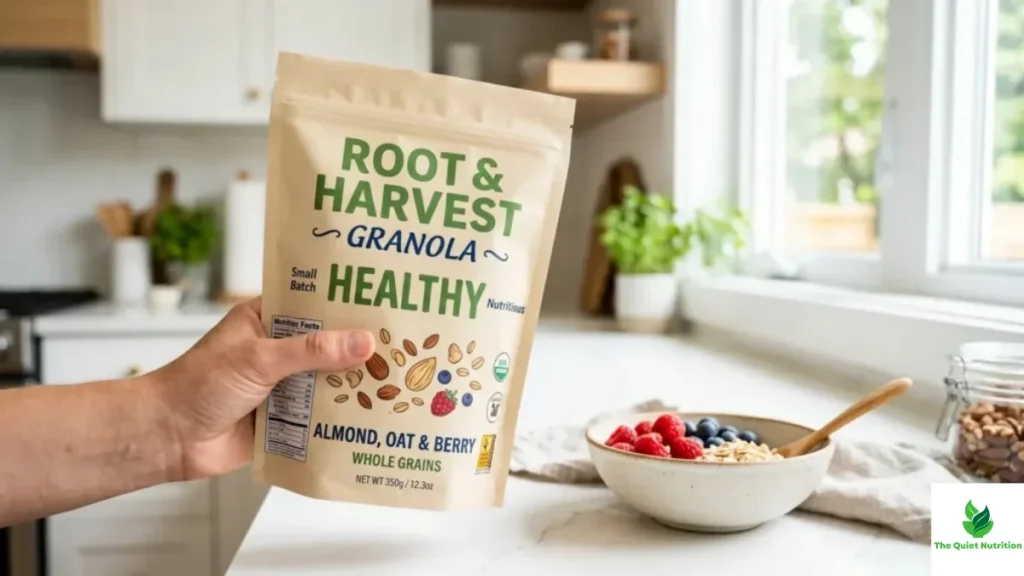
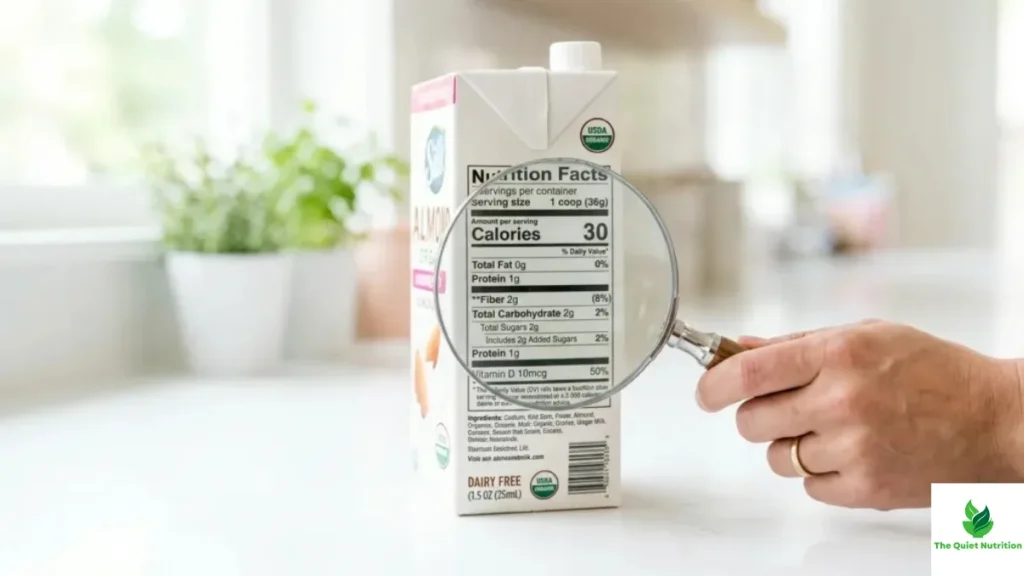
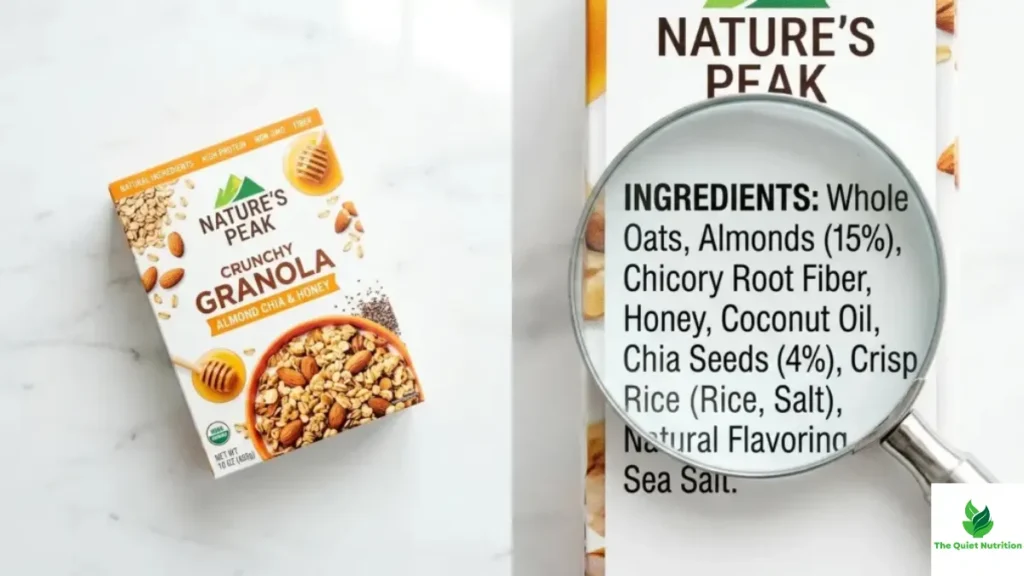
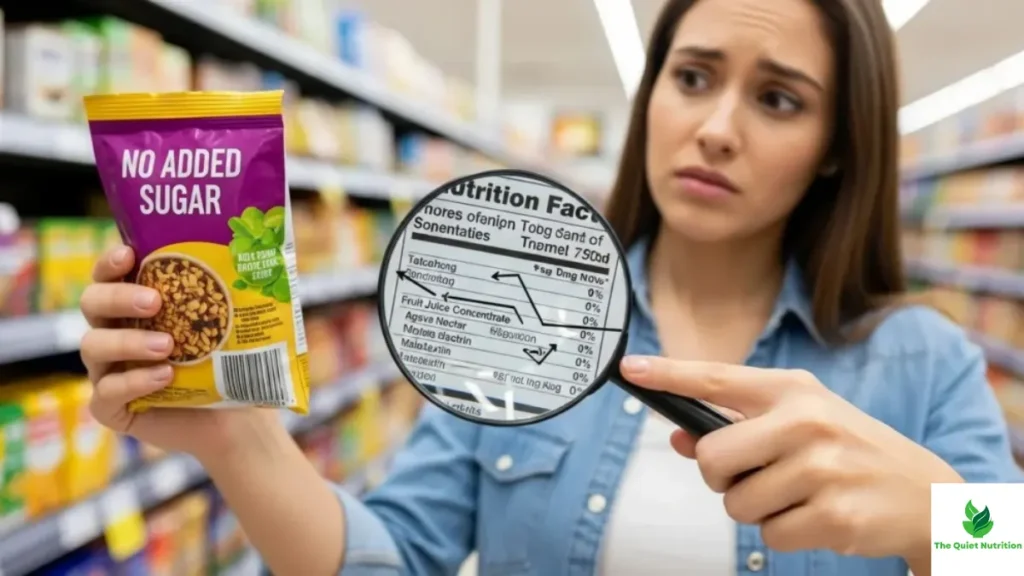
Since the front-of-package term carries no enforced meaning, the ingredient list is still the only place with real information. Look specifically for “natural flavors” or “flavors” as a line item and treat it as a placeholder rather than a full disclosure, since the actual source and any accompanying carrier ingredients aren’t required to be listed. If a company is genuinely transparent, it will often specify exact sources — “lemon oil” instead of “natural flavors,” for example — which is a stronger signal of real disclosure than the word “clean” printed anywhere on the box.
The Bottom Line
“Clean” is a feeling manufacturers are allowed to sell you, not a standard they’re required to meet. Between undefined terminology, vague flavor sourcing, and processing aids that never make it onto the label at all, packaging can create a strong impression of full disclosure while several legal gaps remain quietly built into the system. The only way to see past the word “clean” is to read what’s actually listed — and to notice what isn’t.
Sources
- Institute of Food Technologists – Clearing Up Clean Label Confusion
- Wikipedia – Clean Label
- Wikipedia – Processing Aid
- NuSpice – What “Natural Flavors” Really Mean Under FDA Law
- Tilley Distribution – Meet the Demand for Clean Label Ingredients
- Prepared Foods – Ingredient Options for Manufacturers Wanting to Keep Labels “Clean”

Aarti Solanki, B.Sc. (Food Science), is a food science writer passionate about making nutrition simple and evidence-based. She creates well-researched, easy-to-understand articles on healthy eating, food science, and nutrition, using information from trusted scientific and public health sources.

Pingback: “Free From” Doesn’t Mean Healthy: Why Food Labels Obsess Over What’s Missing Instead of What Matters
Pingback: How Food Labels Trigger Fear — And Why Smart Shoppers Still Fall for It