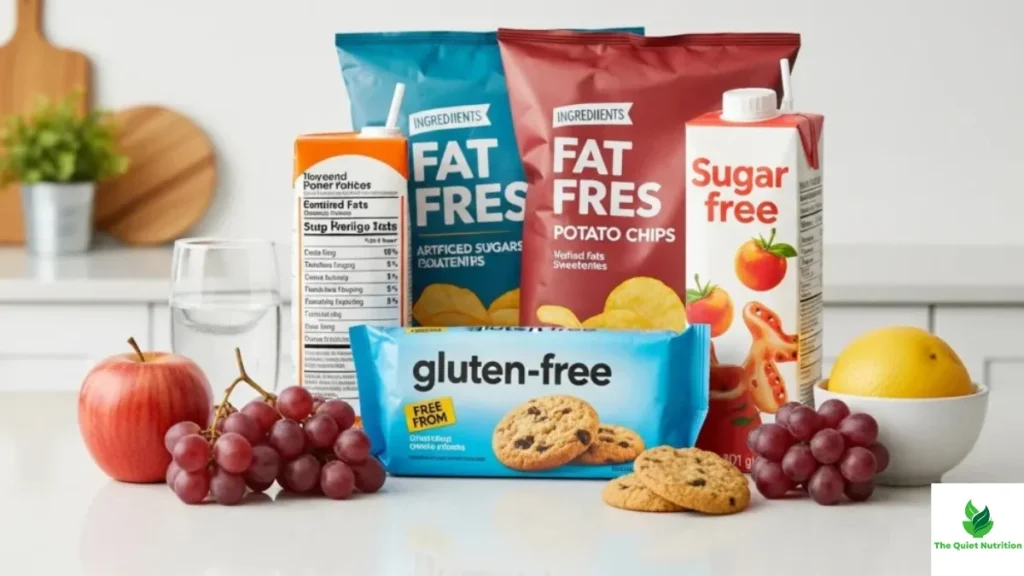
No artificial ingredients. No refined sugar. No preservatives. No seed oils. Walk down any supermarket aisle today and packaging has turned into a list of absences. It feels reassuring — like the product has been stripped of everything bad. But defining a food by what it lacks tells you almost nothing about what it actually contains, and that gap is exactly where a lot of shoppers get misled.
“Free From” Marketing Has Quietly Taken Over Packaging
This style of labeling isn’t new — fat-free, sugar-free, and gluten-free claims have existed for decades. What’s changed is scale. Recent food marketing has expanded well beyond avoiding a single ingredient into broader “avoidance messaging,” where there’s no longer one obvious villain nutrient, just a general appeal to distrust of processed food and big food companies. That shift matters because it means almost any product can build a health halo simply by highlighting what it excludes, regardless of what it includes.
The Absence of One Thing Says Nothing About Everything Else
A gluten-free label, a sugar-free label, or a “clean” label creates an instant impression of purity and superior nutrition. But these claims don’t guarantee nutritional quality — and they often coexist with high levels of palm oil, sodium, saturated fat, or artificial additives that never get mentioned on the front of the package. The label answers one narrow question while leaving the far more important ones completely unaddressed.
“Gluten-Free” Often Has Nothing to Do With Your Health
For people with celiac disease or gluten sensitivity, gluten-free labeling is medically essential. But for the general population, avoiding gluten offers no inherent health advantage — and the label is increasingly showing up on products that never contained gluten in the first place. Industry analysts have flagged this trend as a problem: seeing “gluten-free” on something like yogurt, which wouldn’t naturally contain gluten anyway, doesn’t reflect a meaningful nutritional choice. It’s a claim used to signal wellness, not to describe a real difference in the product.
“Sugar-Free” Comes With Its Own Hidden Trade-Off
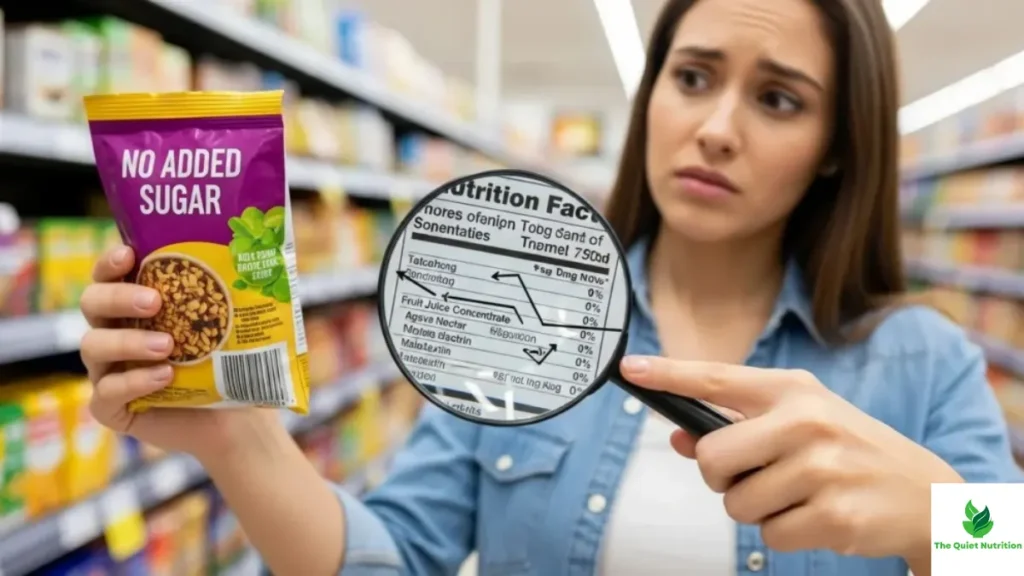
Sugar-free labeling has a legal definition — typically under half a gram of sugar per serving — but that definition only covers added sugar, not the full nutritional picture. Manufacturers frequently replace that sugar with artificial sweeteners or sugar alcohols to preserve taste and texture. Some research has linked these substitutes to increased appetite, digestive discomfort, or changes in eating patterns over time, meaning a “sugar-free” swap doesn’t automatically translate into a healthier overall product.
Interestingly, research on consumer behavior shows this labeling doesn’t even reliably work the way brands intend. One study found that while sugar-free claims did increase perceived healthiness, they simultaneously decreased perceived tastiness and sweetness — effects that canceled each other out, leaving little real change in how likely people were to buy the product. In other words, the label shifts perception in two directions at once, without necessarily shifting behavior toward better choices.
Why Your Brain Falls for the “Free From” Framing
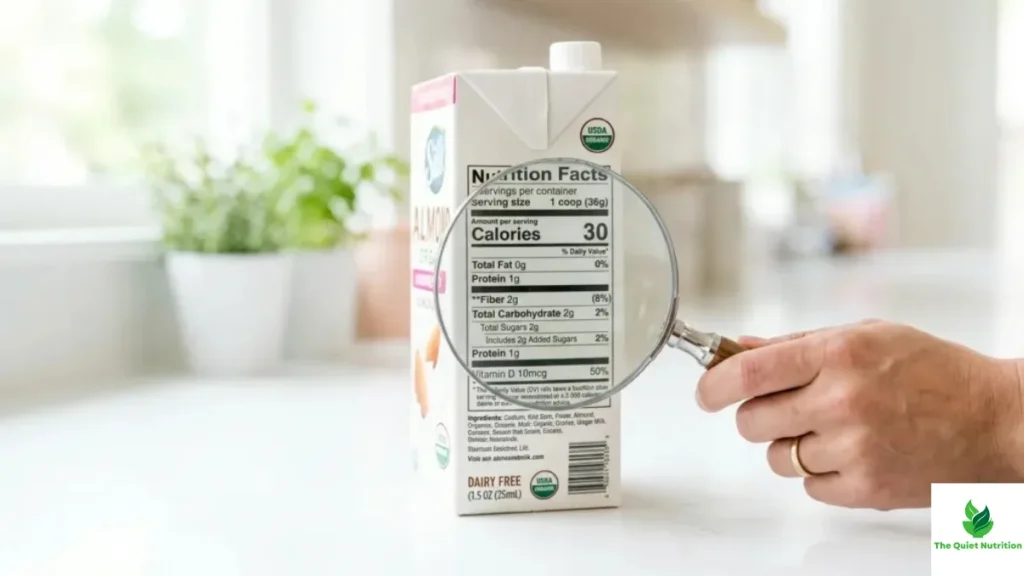
This pattern connects to a well-documented shortcut in how people evaluate food: judging an entire product’s healthfulness based on a single standout attribute, positive or negative. When a label leads with what’s absent, it invites you to fill in the blank with your own assumption of “healthy” — without ever confirming that assumption against the actual nutrition facts panel a few inches away.
What Regulators Have Noticed
Industry watchdogs have started pushing back on the vaguest versions of this marketing. Analysts have warned that stamping free-from claims onto products that never needed them in the first place — like halal labeling on toothpaste or gluten-free labeling on foods that never contained gluten — risks creating consumer distrust, similar to what happened when “natural” labeling became overused and lost meaning. The recommendation from labeling researchers is straightforward: claims should be used sparingly and only when they reflect a genuine, relevant difference, not as a blanket marketing strategy.
What to Check Instead of the Front of the Package
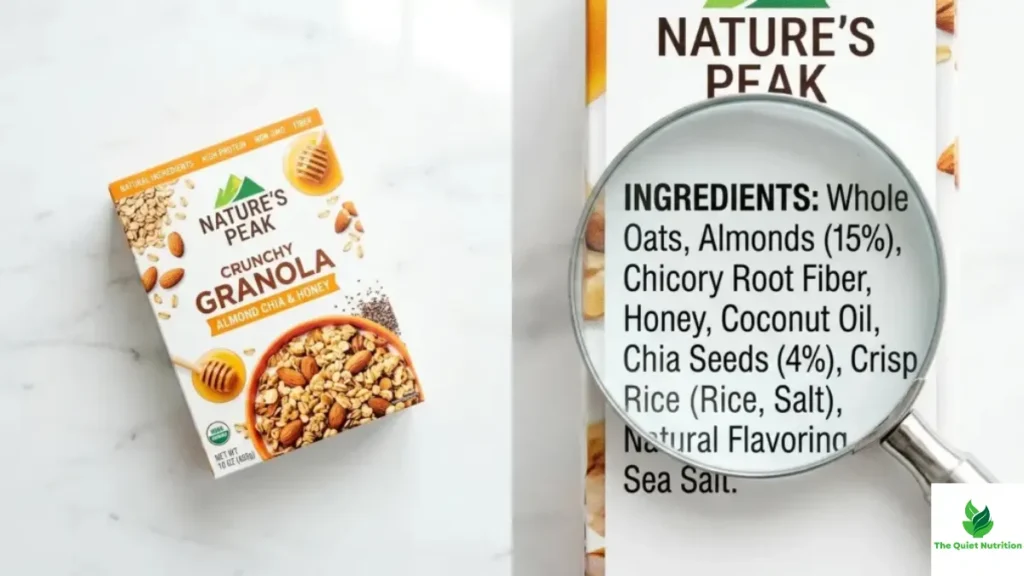
A “free from” claim is only useful once you know what replaced the missing ingredient. If sugar is gone, what’s providing sweetness instead? If gluten is gone, what’s providing structure and texture? The nutrition facts panel and ingredient list will show you what actually filled that gap — sometimes a genuine improvement, sometimes a swap that trades one problem for another. The only way to know is to look past the claim and read the substitution for yourself.
The Bottom Line
A “free from” label describes an absence, not a guarantee. It can be genuinely useful information for someone managing an allergy or medical condition, but for everyone else, it’s not a shortcut to a healthier choice — it’s a marketing frame that works because leaving something out sounds inherently safer than it actually is. The real answer to “is this healthy” still lives in what’s present on the label, not what’s missing from it.
Sources
- FactsScan – Vegan, Gluten-Free, Sugar-Free: Marketing or Reality?
- The Grocery Edit – Why “Free-From” Food Marketing Can Be Misleading
- The Culinary Gene – The Myth of ‘Sugar-Free’: What Labels Actually Mean
- PMC (NIH) – Opposing Effects of Sugar-Free Claims on Perceived Healthiness and Sweetness
- FoodNavigator – Searching for a Label Free From Free-From Claims?
- FoodNavigator – Gluten-Free: Trends Reshaping a Booming Market

Aarti Solanki, B.Sc. (Food Science), is a food science writer passionate about making nutrition simple and evidence-based. She creates well-researched, easy-to-understand articles on healthy eating, food science, and nutrition, using information from trusted scientific and public health sources.

Pingback: “I Chose the Healthy One”… Or Did I? How Labels Manipulate Your Sense of Control
Pingback: One Says Low Sugar, One Says High Protein — Why Comparing Food Labels Often Backfires