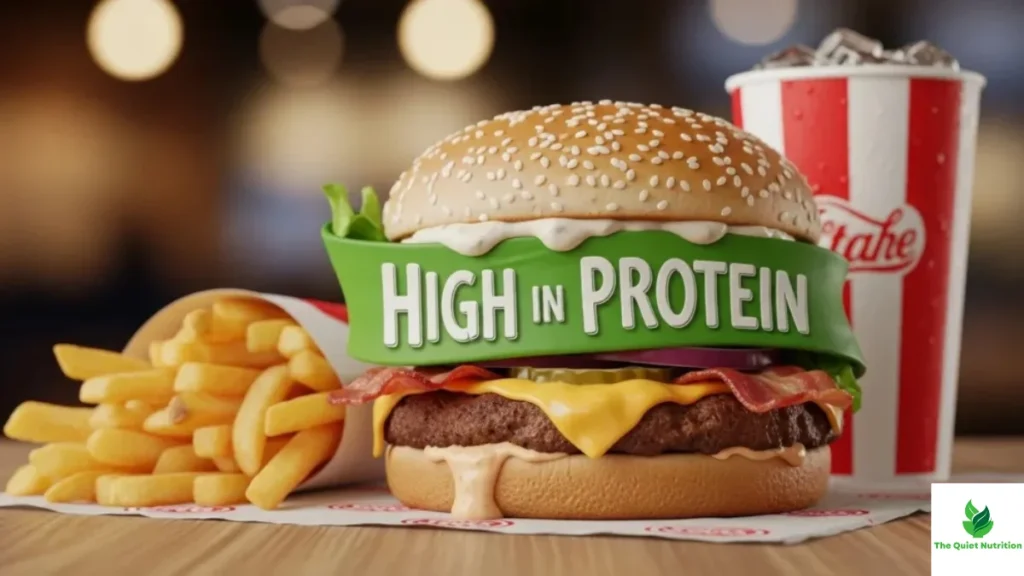
Walk down any supermarket aisle and protein is suddenly everywhere — stamped on chips, pizza dough, porridge, ice cream, even sparkling water. It feels like a health upgrade. But a growing body of research says the “high protein” label is doing something very different: quietly distracting you from what these products actually are.
The Trend Has a Name — And a Warning Attached
Nutrition experts have started calling this pattern “protein washing,” a play on the term greenwashing. It describes how manufacturers add extra protein to otherwise heavily processed foods, then use that single number to market the entire product as healthy. One prominent cardiologist has gone as far as comparing the current high-protein trend to the low-fat diet craze of the 1990s — a movement that also looked healthy on paper while quietly increasing sugar intake across the food supply, before the science behind it was eventually reconsidered.
The Data Behind the Claim Is Not Reassuring
This isn’t just a theory. A 2024 analysis of the Spanish food market found that 90 percent of products carrying protein claims were classified as “less healthy” overall. More than half were high in fat or sodium, roughly one in four was high in added sugar or saturated fat, and one in five contained artificial sweeteners. The protein number on the front of the package told shoppers almost nothing about what else was inside.
Why a Single High Number Can Hide a Lot of Problems
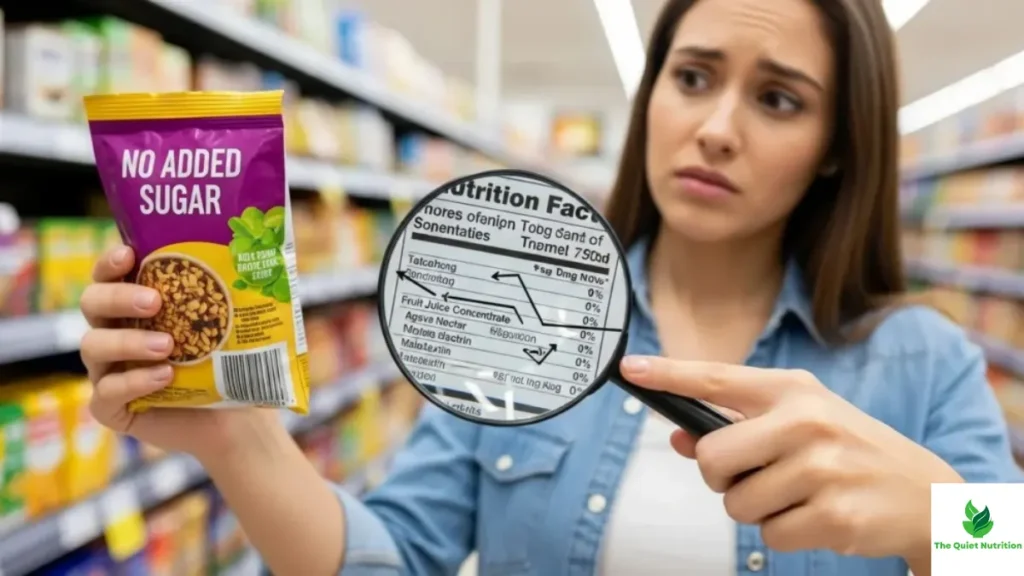
This is the health halo effect in action — the well-documented tendency for one flattering claim to make an entire product feel healthier than it is, regardless of what else is in the ingredient list. Researchers describe this as a mental shortcut: when your brain sees a reassuring word like “protein,” it becomes less motivated to scrutinize the rest of the label. The claim itself becomes a stand-in for actual nutritional judgment.
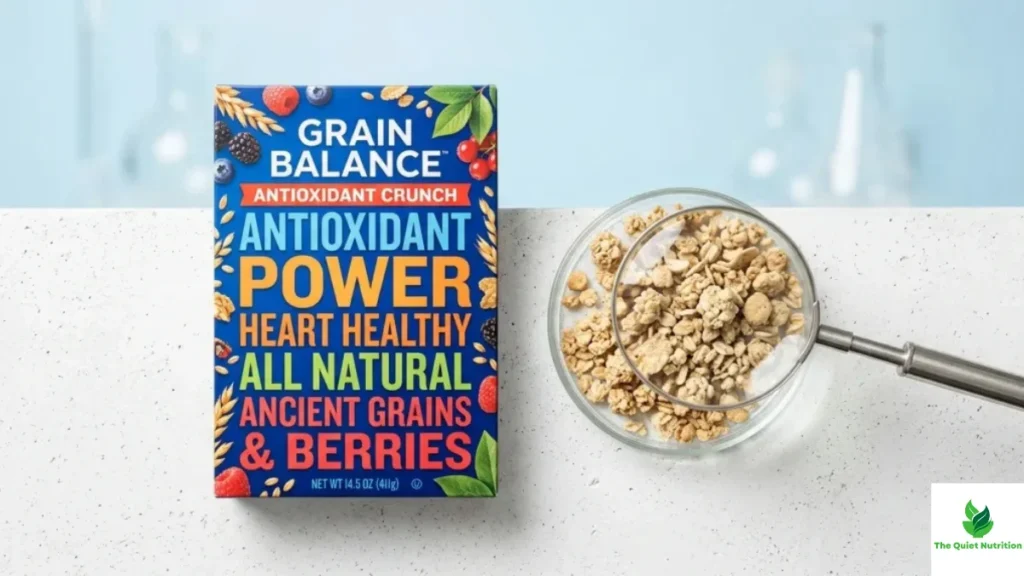
A closer look at real high-protein products illustrates the problem well. One widely available high-protein porridge product, for example, still contains more than 21 percent sugar — a level that qualifies as high in sugar by standard dietetic measures, despite the prominent protein claim on the front of the box.
What’s Often Behind the Protein Number
Most high-protein snacks and drinks aren’t built from whole food sources of protein. They typically rely on concentrated, industrially processed ingredients such as whey protein isolate, milk protein concentrate, or pea protein isolate. These isolated proteins don’t naturally have an appealing taste or texture, so manufacturers add emulsifiers, stabilizers, sweeteners, and flavorings to make the final product palatable — turning what started as a simple whole-food nutrient into a heavily engineered ingredient list.
The Bigger Category These Products Often Belong To
Many high-protein packaged foods fall into a category researchers call ultra-processed foods — items typically high in energy density, sugar, salt, or saturated fat, and low in fiber, even when fortified with extra protein. Multiple studies have linked high consumption of ultra-processed foods to increased risk of chronic conditions including type 2 diabetes, cardiovascular disease, and certain cancers. One study even found a measurable link between higher ultra-processed food intake and elevated markers of inflammation in the body. Simply adding protein to a product doesn’t change the category it belongs to nutritionally.
Why This Matters Beyond the Grocery List
Public health researchers have raised a bigger concern: products marketed as “high protein,” “fortified,” or “functional” allow ultra-processed food manufacturers to position themselves as part of the solution to nutrition problems, rather than a contributor to them. This framing can undercut public support for clearer food labeling policies and marketing regulations, since a product that appears to solve a nutrition gap is harder to regulate than one that’s obviously indulgent.
Regulators have started pushing back on the most extreme versions of this marketing. Advertising watchdogs in the UK have already ruled against products claiming to be “not ultra-processed” or using vague terms like “pure” and “clean” without being able to substantiate them — a sign that scrutiny of these claims is increasing, even as new “high protein” products continue to launch.
The Real Question to Ask Isn’t “How Much Protein?”
The more useful question when evaluating a packaged food isn’t how much of one nutrient it contains — it’s what the product is made from and how it was processed to get there. A high protein count sitting alongside a long list of isolates, sweeteners, and stabilizers tells a very different nutritional story than protein that comes from eggs, beans, fish, or plain yogurt.
How to See Past the Claim
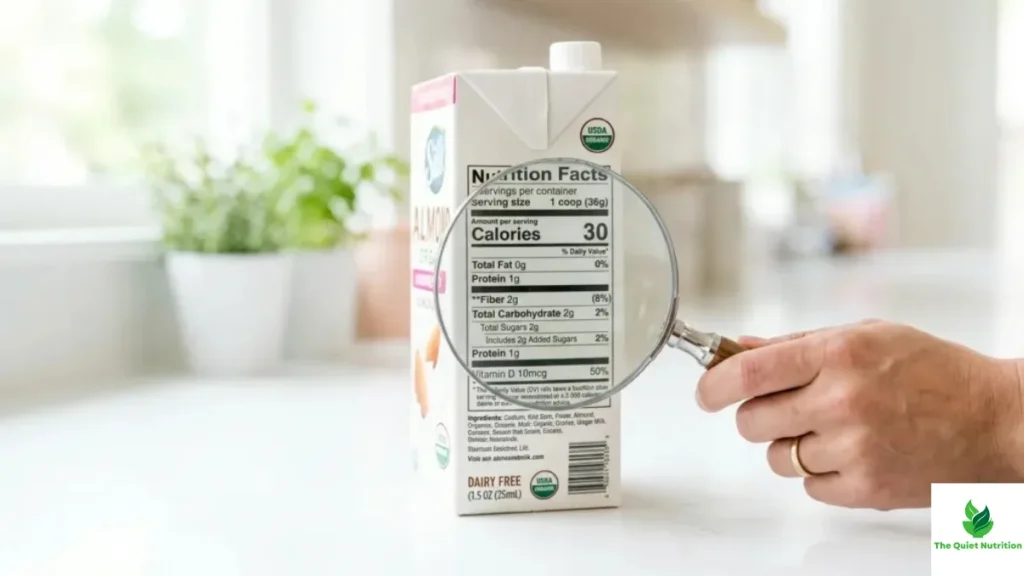
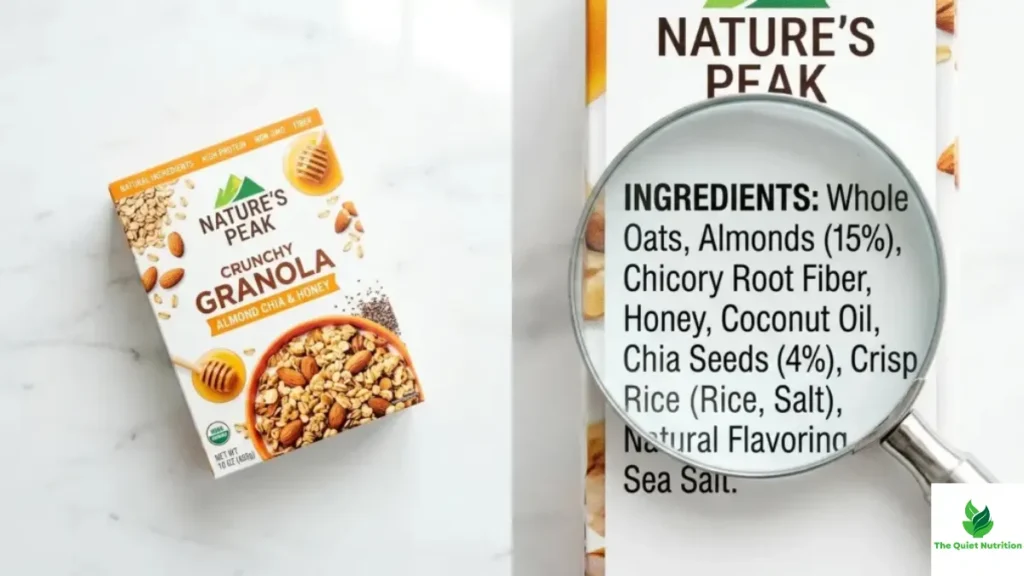
Turn the package over before you decide anything based on the front. Check where the protein is actually coming from — whole ingredients versus isolates and concentrates — and look at the sugar, sodium, and saturated fat levels sitting right next to that impressive protein number. If the ingredient list reads like a lab formulation rather than a recipe, the “high protein” claim is doing more marketing work than nutritional work.
The Bottom Line
A nutrient claim describes one ingredient’s quantity — not what a food does to your body as a whole. As protein claims spread across snack aisles, freezer cases, and drink coolers, the healthiest approach isn’t to chase the number on the front of the box. It’s to keep asking what’s actually behind it.
Sources
- FI Global Insights – Nutrition Experts Criticise ‘High-Protein’ Highly Processed Foods
- AOL – What Is ‘Protein Washing’ and Are Shoppers Being Fooled by It?
- Sustainable Food Trust – Rethinking Protein: From Ultra-Processed Hype to Real Food
- PMC (NIH) – Nutritional Value and Environmental Aspects of High-Protein Ultra-Processed Foods on the German Market
- PMC (NIH) – Higher Ultra-Processed Food Consumption Is Associated with Greater Inflammation Markers
- Cowry Consulting – The Health Halo Effect: How Good Marketing Can Be Misleading Consumers
- Browne Jacobson – Protein Product Marketing Legal Compliance 2026

Aarti Solanki, B.Sc. (Food Science), is a food science writer passionate about making nutrition simple and evidence-based. She creates well-researched, easy-to-understand articles on healthy eating, food science, and nutrition, using information from trusted scientific and public health sources.

Pingback: One Says Low Sugar, One Says High Protein — Why Comparing Food Labels Often Backfires