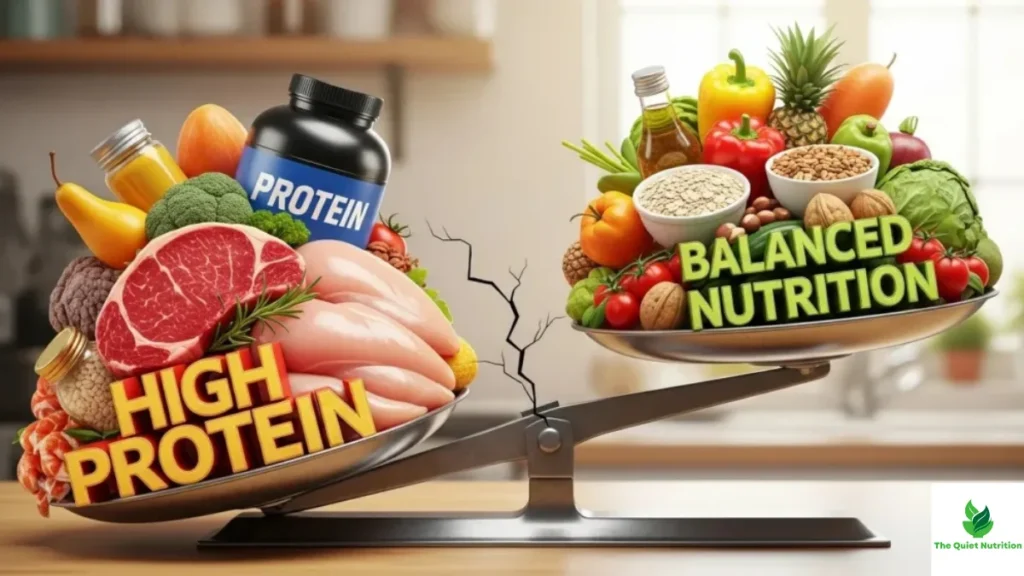
Protein has had a remarkable few years. Bars, shakes, yogurts, even waters now compete for shelf space by shouting their gram count on the front of the package. The underlying idea makes sense — protein supports muscle, satiety, and metabolic health — but somewhere along the way, “high protein” quietly became shorthand for “healthy,” full stop. That substitution is where things start to go sideways, and the research on why is more interesting than a simple “everything in moderation” lecture.
Your Body Might Be Chasing Protein More Than You Realize
There’s a genuinely fascinating theory in nutrition science called the protein leverage hypothesis. It proposes that humans, like many other species, regulate protein intake more tightly than they regulate fat or carbohydrate intake — meaning your body keeps eating, almost regardless of total calories, until a certain protein target gets met. If a diet is diluted with lots of fat and carbohydrate relative to protein, the theory suggests people will end up eating more total food simply to reach that protein target, pulling in extra calories from the diluting ingredients along the way.
This isn’t just theoretical. A randomized controlled study testing this directly with lean human subjects found that when protein made up a smaller percentage of available food, people naturally ate more overall food to compensate. Separately, a controlled feeding study comparing a whole-foods diet against an ultra-processed diet with matched calories, protein, carbs, fat, sugar, and fiber found that participants spontaneously ate about 500 more calories per day on the ultra-processed version — with all the extra calories coming from carbs and fat, not protein. Even though total protein was matched between diets, the ultra-processed version ended up delivering a slightly lower percentage of calories from protein, which researchers pointed to as a plausible driver of the excess intake.
Which Means the Modern Push Toward “More Protein” Isn’t Solving the Underlying Problem
Here’s where the popular high-protein trend gets genuinely counterproductive. If the real issue is that ultra-processed, protein-diluted foods drive overeating, the fix implied by the science is shifting toward whole foods with a naturally solid protein-to-calorie ratio — not necessarily adding more processed, protein-fortified products to an otherwise similar diet.
Research specifically examining commercially available high-protein processed foods found a striking amount of variability hiding behind that marketing claim: across a sample of 36 protein-enriched products, protein content ranged from just 10% up to 88% of the product’s composition. Even more notable, when researchers modeled realistic daily consumption of these products combined with typical meat intake, the resulting protein intake for some products reached well over 300% of the recommended daily amount for women. These aren’t modest boosts to an otherwise balanced diet — they can represent a substantial overshoot, arriving through products still built on the same processed-food architecture the protein leverage research flags as part of the original problem.
Protein Isn’t a Standalone Nutrient — It Arrives With Company
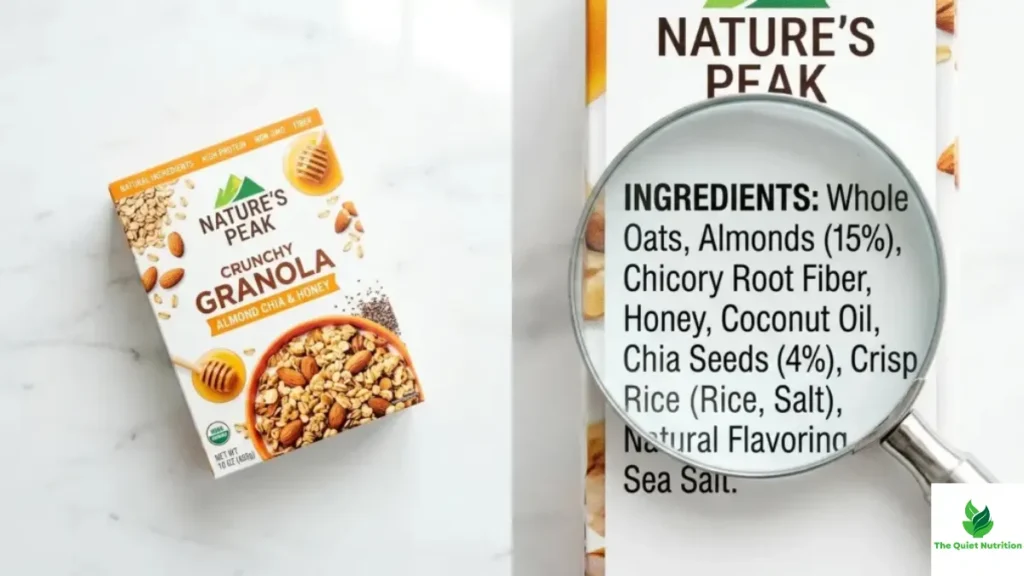
This is really the core issue: “high protein” describes one number on a label, and that number tells you nothing about everything else riding alongside it. A protein bar can hit an impressive protein figure while containing minimal fiber, significant added sugar, and a long list of industrial additives. Swapping a whole food — beans, eggs, plain yogurt, fish — for a protein-fortified processed snack often means trading a food that naturally comes with fiber and micronutrients for one engineered around a single flattering metric.
Fiber is a particularly relevant casualty here, given how directly it connects to some of the same appetite-regulation benefits people are often chasing when they reach for high-protein products in the first place. Research on satiety has found that snacks combining protein with fiber and whole-food ingredients — like hummus or Greek yogurt — reliably support fullness and appetite control. A protein-fortified product engineered mainly to hit a number on the label doesn’t automatically deliver that same combined benefit, particularly if fiber wasn’t part of the formulation’s design priorities.
Protein Quality and Balance Still Matter More Than the Raw Number
There’s also a subtler issue buried in treating protein as a single interchangeable quantity: not all protein sources are digested or utilized the same way, and protein absorbed alongside adequate fiber and balanced macronutrients behaves differently in the body than protein consumed in isolation or alongside heavily refined carbohydrates. Researchers studying protein digestibility have noted that factors like dietary fiber content can influence how efficiently protein actually gets absorbed and used — meaning the printed gram count on a label doesn’t necessarily reflect the protein your body meaningfully accesses.
The Practical Takeaway
None of this means protein itself is the problem — adequate protein intake remains genuinely important for muscle maintenance, satiety, and metabolic health, and the protein leverage research actually reinforces why protein-dense whole foods matter. The issue is treating “high protein” as an automatic stamp of nutritional quality, independent of everything else a product contains.
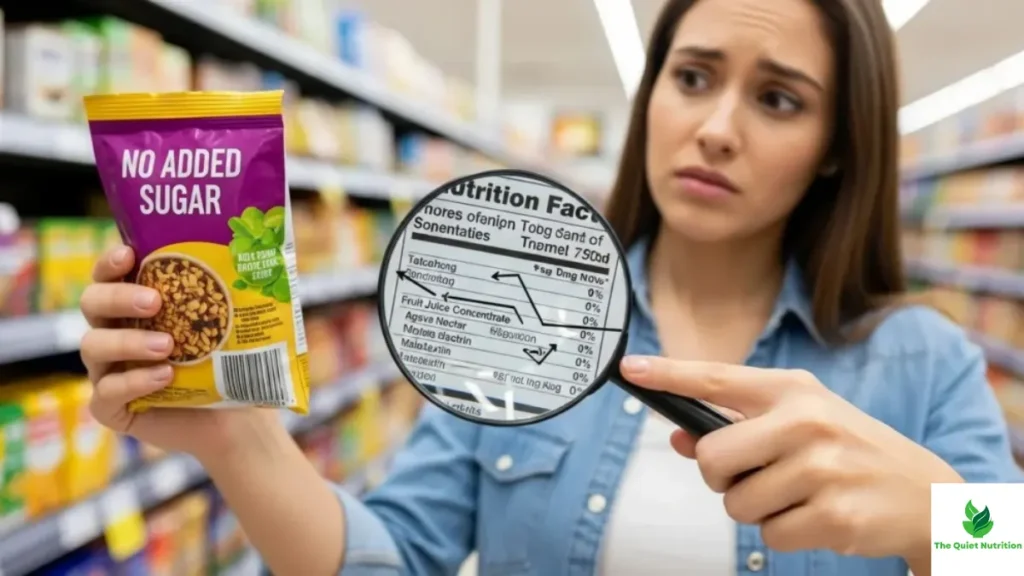
A useful gut-check: does this food deliver protein packaged the way a whole food naturally would — alongside fiber, minimal processing, and a reasonably balanced nutrient profile — or does it deliver protein as an isolated, fortified number bolted onto an otherwise processed product? The gram count on the front of the package answers a much narrower question than most shoppers assume it does.
Sources:
- Philosophical Transactions of the Royal Society B — Protein Appetite as an Integrator in the Obesity System: The Protein Leverage Hypothesis
- NCBI/PMC — Testing Protein Leverage in Lean Humans: A Randomised Controlled Experimental Study
- NCBI/PMC — High-Protein Processed Foods: Impact on Diet, Nutritional Status, and Possible Effects on Health
- ScienceDirect — A Modern Take on Protein Nutrition Meets Evolving Consumer Perceptions

Aarti Solanki, B.Sc. (Food Science), is a food science writer passionate about making nutrition simple and evidence-based. She creates well-researched, easy-to-understand articles on healthy eating, food science, and nutrition, using information from trusted scientific and public health sources.

Pingback: How Food Labels Quietly Shape Your Expectations — And Why Your Brain Believes Them Before You Take a Bite
Pingback: How Food Labels Emphasize Positives, Not Balance — The Nutrition Story You’re Rarely Told
Pingback: Why Nutrition Claims Focus on Single Nutrients — And Why That’s Rarely the Full Health Story
Pingback: Can Beans Really Beat Beef? The Surprising Truth About Plant Protein